Homes in Basingstoke
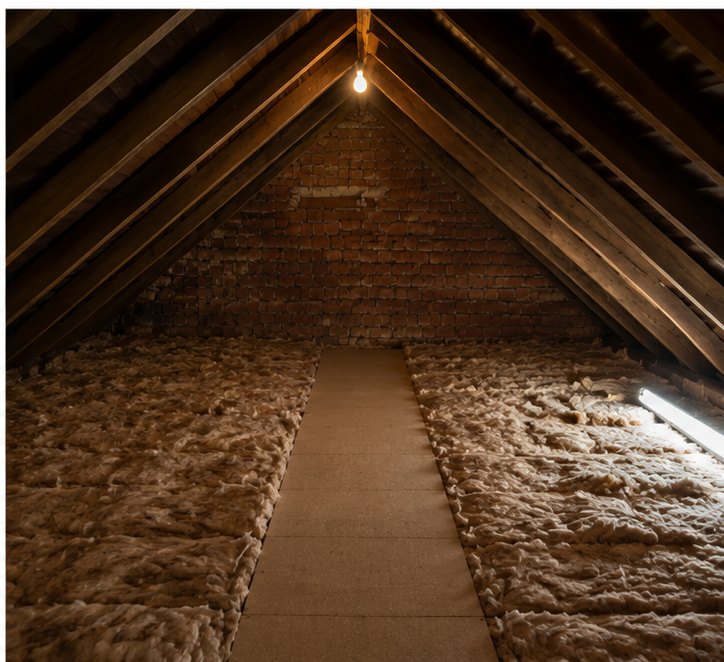
The expansion-era estates that make up much of Basingstoke — Popley, Brighton Hill, South Ham and Chineham — typically have accessible trussed lofts with thin original insulation that suits a straightforward top-up over sound existing wool. Boards have often been laid straight onto the joists for storage, compressing the layer beneath. Newer developments toward the town's edges usually already meet a reasonable standard. In contrast, the older cottages around Old Basing and the outlying villages can have shallow, irregular lofts and traditional roof construction that needs a more careful, breathable approach.
Local considerations
Because so much of Basingstoke's housing is broadly similar in age and construction, the key questions are usually about the state of existing insulation — whether it is even, dry and undisturbed — and whether ventilation and boarding would add more than extra depth. In the older village-core properties we take a different tack, keeping the eaves clear and favouring breathable materials so a traditional roof can still manage moisture.
Ventilation and moisture
Condensation shows up in poorly ventilated Basingstoke lofts, especially where boards trap the layer beneath or a bathroom extractor vents into the roof. We find the cause first rather than assuming more insulation will cure it.
What affects cost in Basingstoke
In Basingstoke, cost is driven mainly by whether old insulation needs removing, any boarding or ventilation work, and access — generally easier on the estates than in the older village cores. Loft layout and headroom vary between developments.