Homes in Winchester
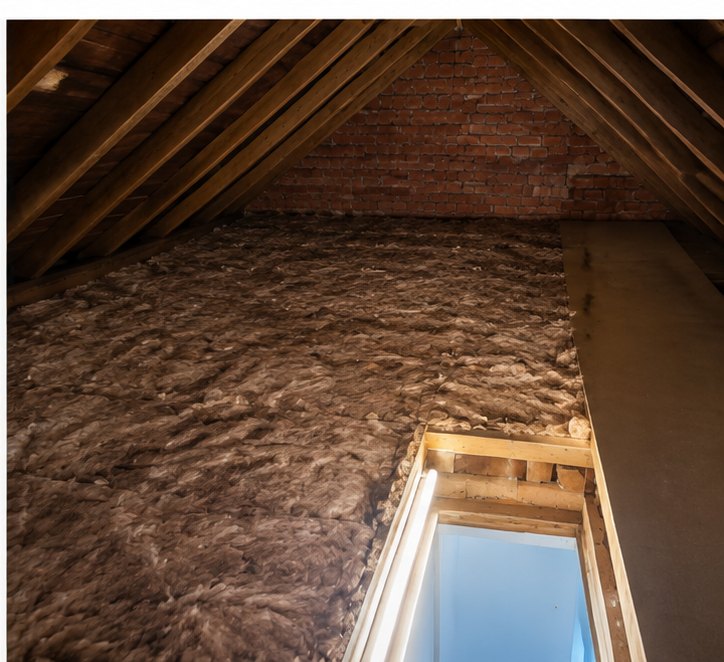
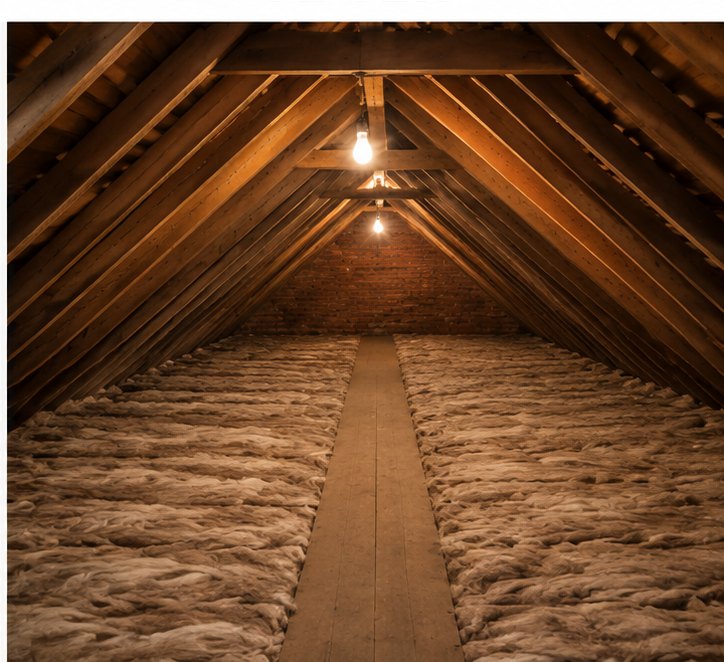
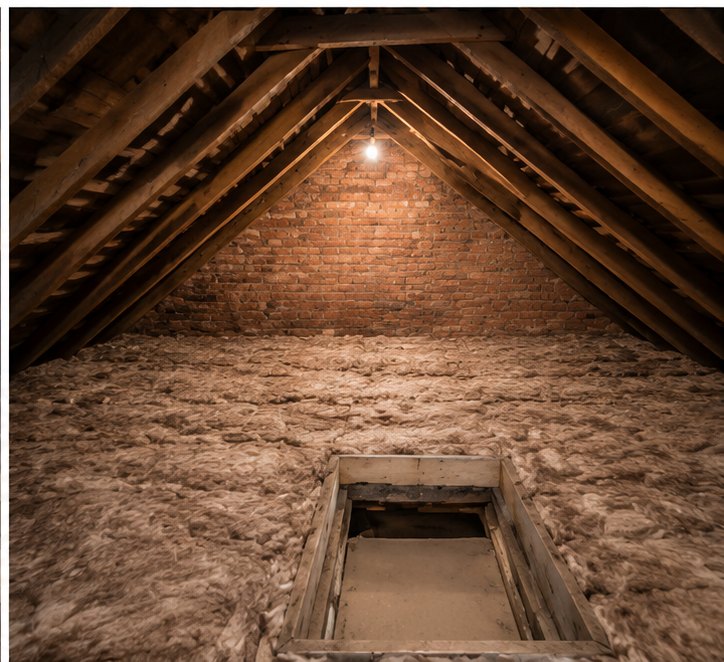
The period cottages and older houses across central Winchester often have shallow, irregular lofts, traditional roof construction and awkward access, all calling for a careful, breathable approach — and many sit within conservation areas or are listed. The Victorian terraces of Fulflood and Highcliffe typically have compact lofts with thin, settled original insulation. The interwar and post-war semis around Weeke and Stanmore are more conventional and usually suit a top-up, frequently with boards laid straight onto the joists. The modern estates at Badger Farm and the city's edges tend to already meet a reasonable standard.
Local considerations
Winchester's wealth of protected and traditional property means much of the work here needs a light, breathable touch. In older and conservation-area homes we favour breathable materials, keep the eaves clear so a traditional roof can manage moisture, and check whether any listed-building or conservation consents apply before recommending a build-up. In the suburban semis and modern estates the questions are more familiar: the condition of existing insulation and whether ventilation and boarding help most.
Ventilation and moisture
The Itchen valley and generally damp local air mean condensation is common in poorly ventilated Winchester lofts, particularly in older roofs. Insulation alone will not fix a moisture problem, so we check the cause — airflow, a leak or an extractor venting into the loft — before advising work.
What affects cost in Winchester
In Winchester, cost is driven mainly by roof type — older period and listed roofs being more involved than modern ones — whether old insulation needs removing, and any boarding or ventilation work. Access in the historic centre can add to a job.