Homes in Portsmouth
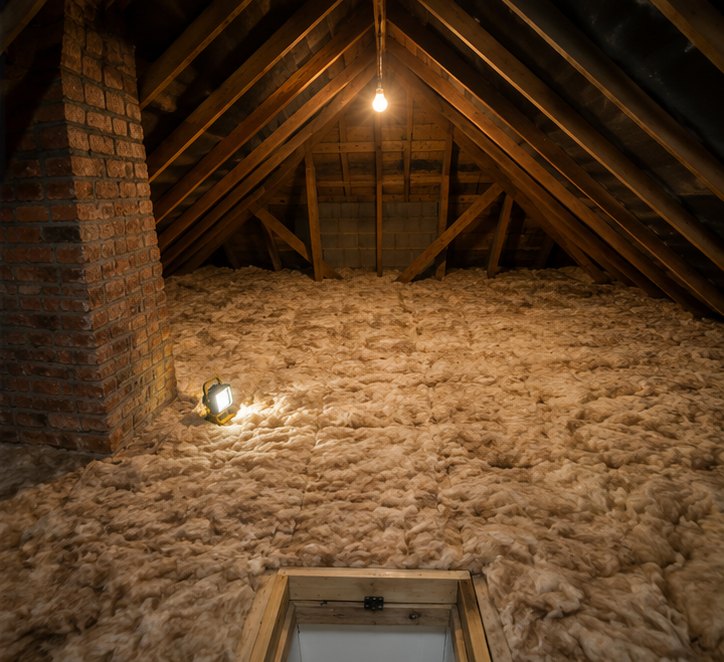
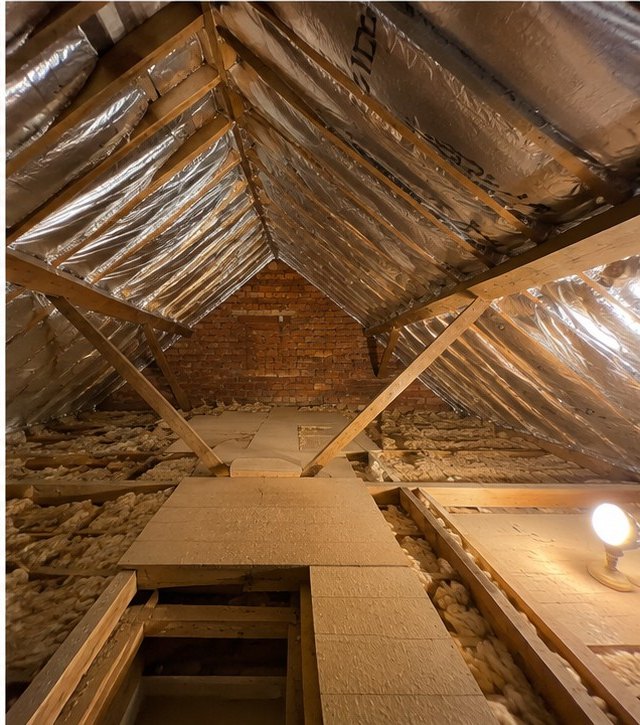
The terraces of Portsea Island — through Fratton, Buckland and North End — frequently have low, shallow lofts with awkward access over a stair and original insulation that has thinned or compressed with age. Headroom is often the real constraint: there simply isn't much depth to build up into, which changes both the method and the material. Post-war rebuilt homes and the semis toward Cosham and Drayton tend to have more usable loft space, where a top-up over sound existing wool is usually the practical route and boards are often laid straight onto the joists for storage.
Local considerations
Being surrounded by the sea, Portsmouth is exposed to salt-laden, humid air and driving coastal wind, so ventilation matters as much as insulation. In the island's shallow terrace lofts it is easy to block what little airflow the eaves allow, so we keep them clear and treat airflow and insulation together. Where headroom is very limited, we recommend a build-up and material suited to the actual space rather than a standard depth that simply will not fit.
Ventilation and moisture
The exposed coastal setting means humidity and condensation are common in Portsmouth lofts, particularly where ventilation is poor. Insulation alone will not cure a moisture problem, so we check the cause — airflow, a leak or an extractor venting into the roof — before recommending work.
What affects cost in Portsmouth
In Portsmouth, cost is driven mainly by loft access and headroom on the island's terraced streets, whether old insulation needs removing, and any boarding or ventilation work. Tight parking and access on dense inner roads can also add to a job.