Homes in Southampton
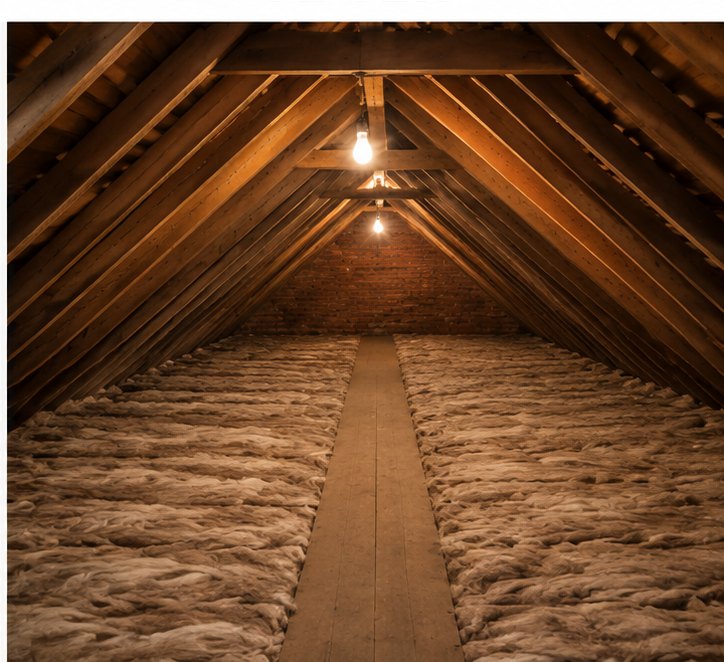
The student-heavy terraces around Portswood and St Denys often have compact lofts, awkward access over a stair, and original insulation that has thinned over the decades. The city's post-war rebuilt homes vary widely in construction and are best judged individually, since their roofs were not always built to a consistent pattern. Bitterne, Shirley and Bassett hold plenty of 1930s and post-war semis where a top-up over sound existing wool is usually the practical route, and where boards have often been laid straight onto the joists for storage rather than on a raised system.
Local considerations
Southampton's waterside position between the Test and Itchen makes for a humid local climate, so ventilation is worth close attention alongside insulation. In older terraces we keep the eaves clear rather than packing them, because a period roof still needs to breathe. In the city's varied post-war housing we assess each roof on its own terms, checking construction and existing insulation before recommending any build-up.
Ventilation and moisture
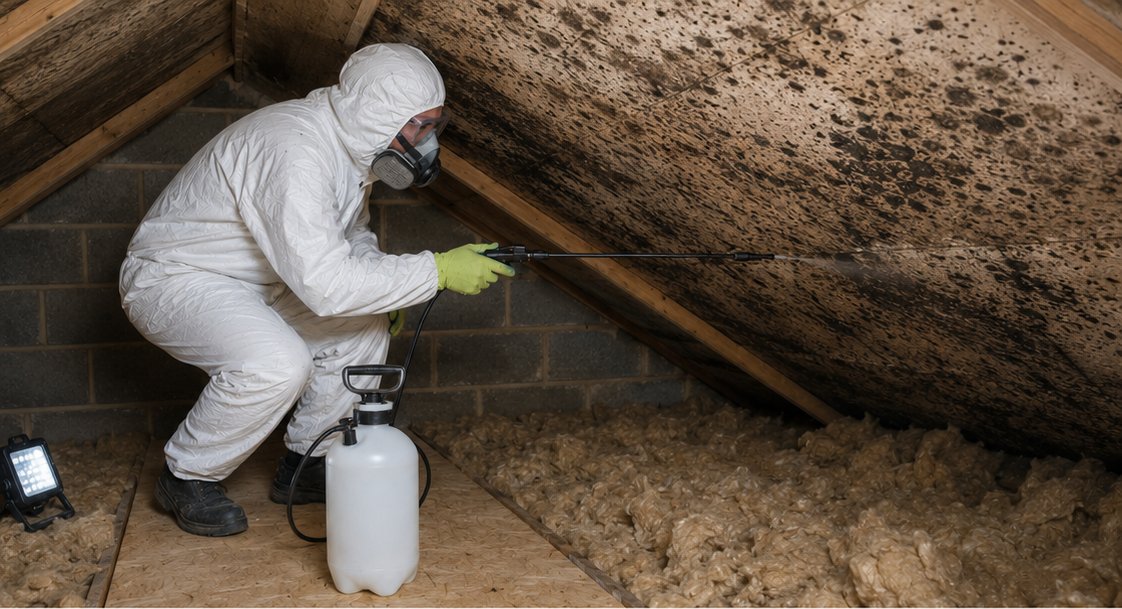
The waterside setting means condensation and damp are common in poorly ventilated Southampton lofts. Insulation alone will not fix a moisture problem, so we look for the real cause — airflow, a roof leak, or an extractor venting into the loft — before advising work.
What affects cost in Southampton
In Southampton, cost is driven mainly by loft access on terraced streets, whether old insulation needs removing, and any boarding or ventilation work. Parking and access in denser student and inner areas can also add to a job.