Homes in Southsea (Portsmouth)
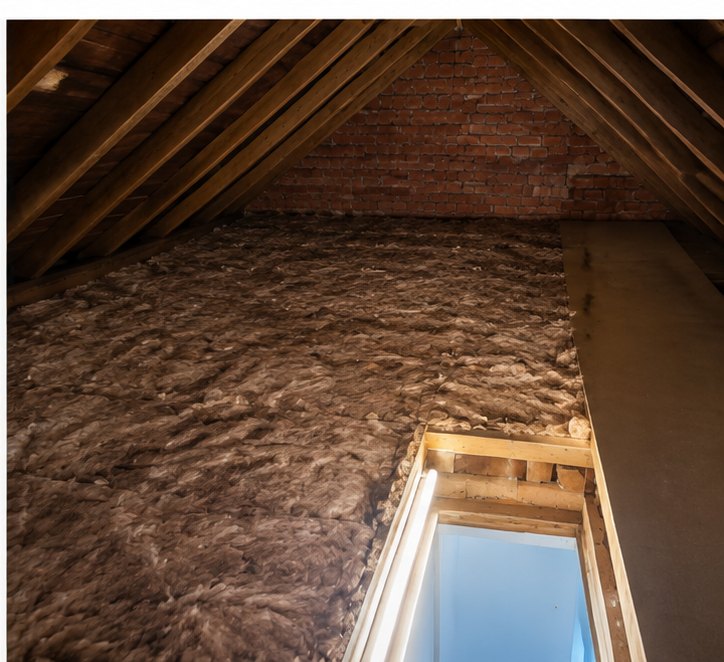
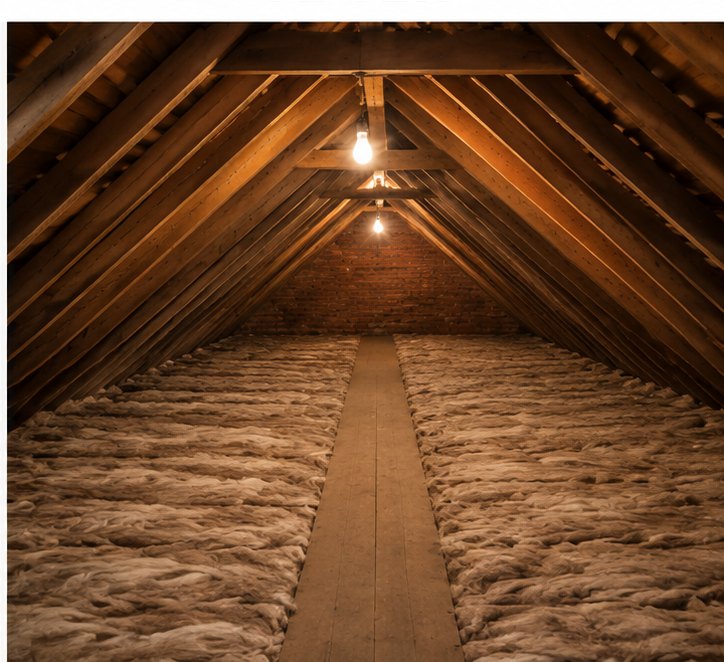
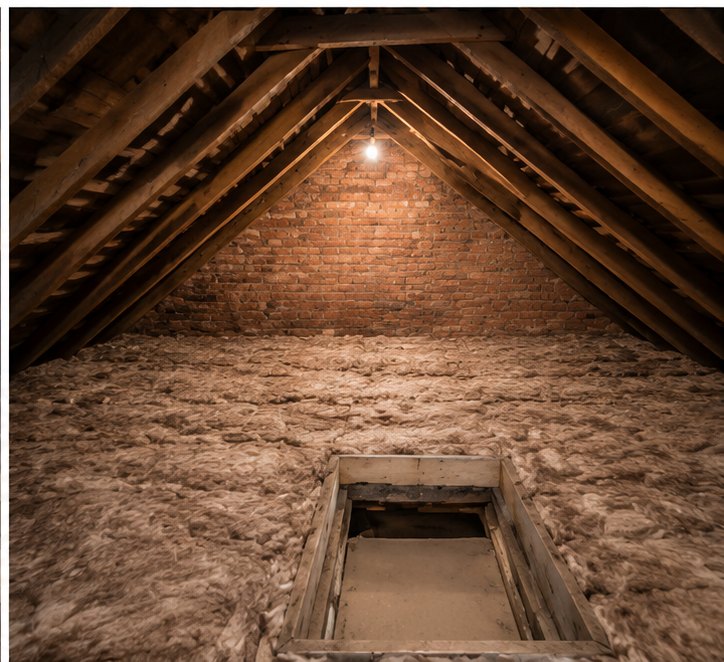
Southsea's terraces frequently have low, shallow lofts with awkward access over a stair and thin original insulation that has compressed with age. Headroom is often the real limit: there is simply little depth to build up into, which shapes both the method and the material. Many of the larger bay-fronted houses have been converted into flats or HMOs, so the loft usually sits above a top-floor flat and access and responsibility need establishing first. Closer to the front, seafront exposure and older roof construction make ventilation an early consideration rather than an afterthought.
Local considerations
Right on the exposed south coast, Southsea gets salt-laden, humid sea air and driving wind, so ventilation matters as much as insulation. In these shallow terrace lofts it is easy to block what little airflow the eaves allow, so we keep them clear and treat airflow and insulation together. Where headroom is very limited we recommend a build-up and material suited to the actual space, and in converted houses and HMOs we sort out loft access and ownership before any work.
Ventilation and moisture
The exposed seafront position and dense, often converted housing mean humidity and condensation are common in Southsea lofts. Insulation alone will not cure a moisture problem, so we check the cause — airflow, a leak or an extractor venting into the roof — before recommending work.
What affects cost in Southsea (Portsmouth)
In Southsea, cost is driven mainly by loft access and limited headroom on the terraces, whether the property is a conversion or HMO, whether old insulation needs removing, and any boarding or ventilation work. Tight seafront-area parking can add to a job.