Homes in Bedford
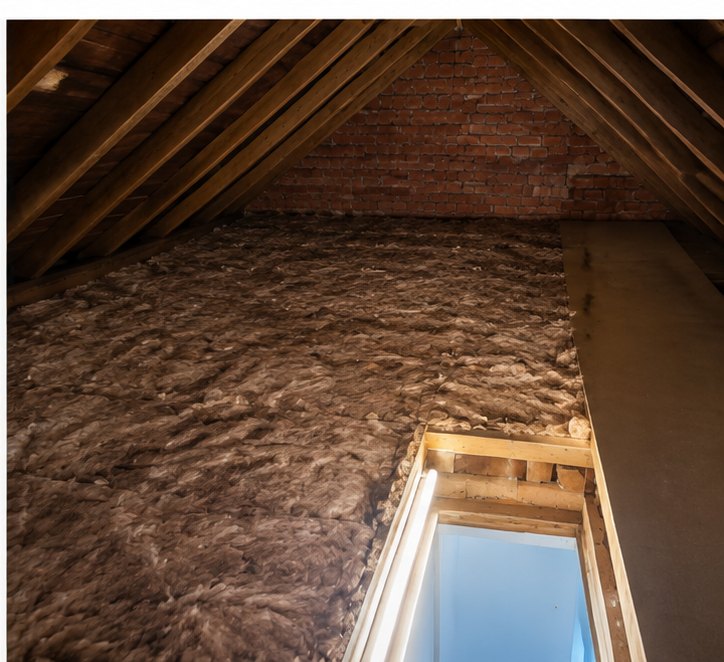
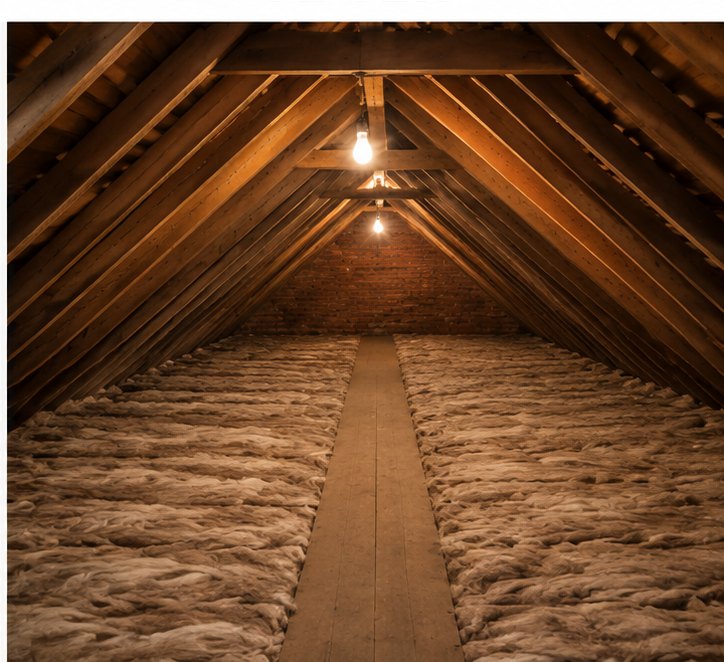
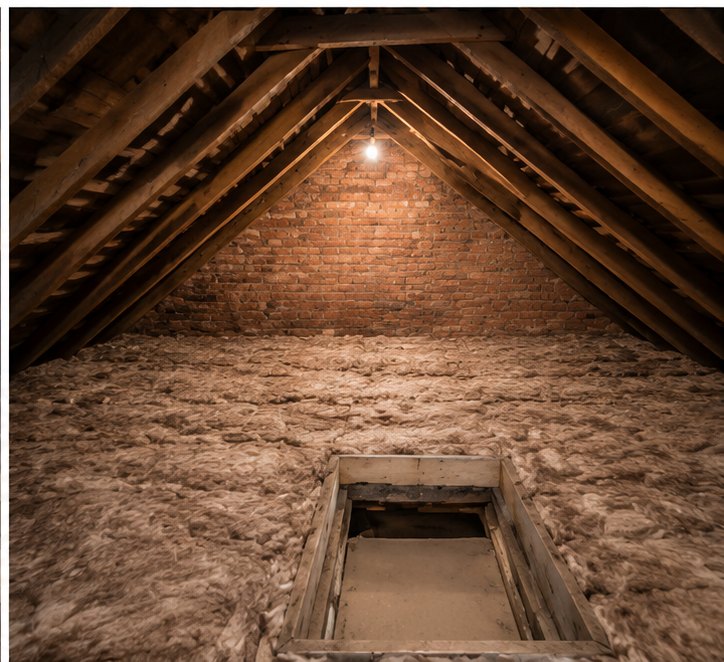
Bedford's terraced streets around Queens Park and Castle often have compact lofts with limited headroom, access squeezed over a stairwell, and insulation that has settled and thinned over the years. Much of the town is interwar and post-war semi-detached housing across Goldington, Putnoe and Brickhill, usually suited to a top-up over sound existing wool, frequently with boards laid straight onto the joists for storage. Newer homes on Kempston's estates generally have insulation already, so the useful question is whether adding depth, boarding or better ventilation is worthwhile.
Local considerations
Bedford lies in one of the drier parts of England, but the low-lying Ouse valley and poorly ventilated roof spaces still bring condensation. Forcing insulation into the eaves of an older terrace blocks the roof's limited airflow, so we keep the eaves clear and treat ventilation and insulation together. On the older stock we check how the roof breathes before recommending a build-up.
Ventilation and moisture
Cold winters near the river and poorly ventilated roof spaces make condensation a common complaint in Bedford lofts. Insulation alone will not cure a moisture problem, so we check the actual cause — airflow, a leak or an extractor venting into the loft — before recommending work.
What affects cost in Bedford
In Bedford, cost is driven mainly by loft access on the terraced streets, whether old insulation needs removing, and any boarding or ventilation work. Parking on the narrower inner-town roads can also be a factor.