Homes in Blackpool
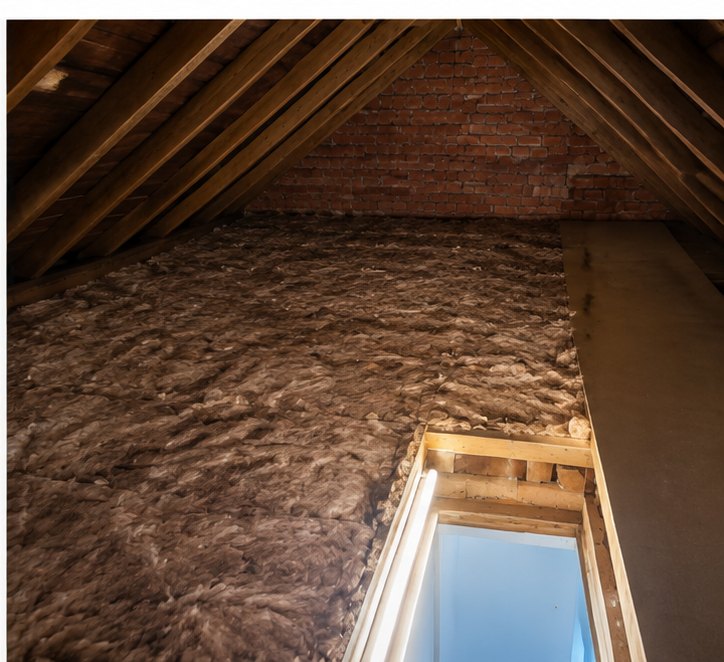
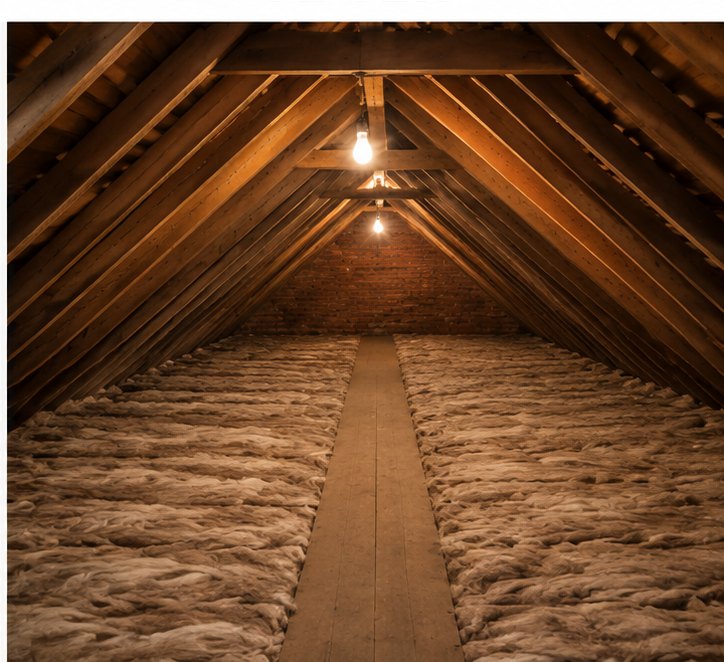
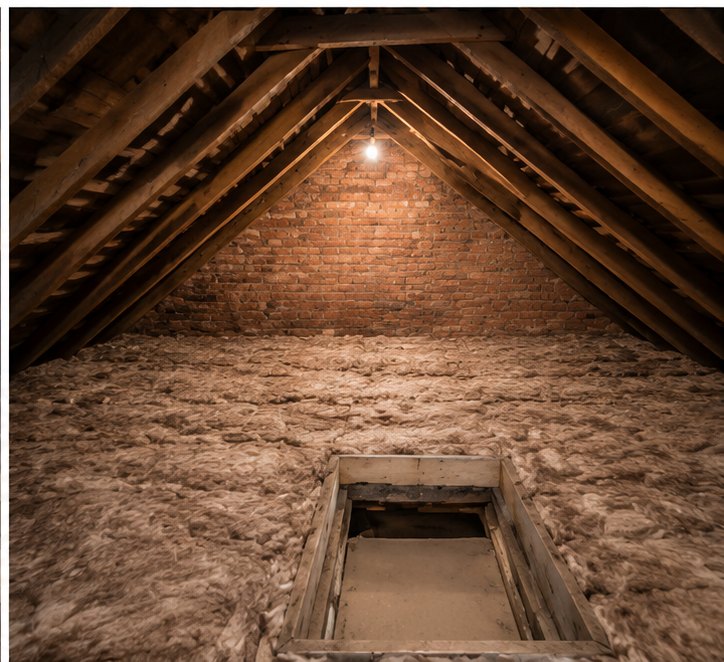
The big three- and four-storey terraces near the front often have tall, awkward lofts reached by a steep final flight, with insulation that has settled unevenly over the years and roof timbers weathered by the coastal climate. Guesthouse conversions can hide unusual loft layouts where rooms have been added into the roof. Away from the seafront, Blackpool's interwar semis and single-storey retirement bungalows typically carry thin original wool that suits a top-up, though a bungalow's large loft-to-floor ratio makes getting the insulation right especially worthwhile.
Local considerations
A seafront town open to the Irish Sea takes the full force of wind and salt spray, so ventilation and wind-driven moisture matter here. Packing insulation hard into the eaves of an exposed Blackpool terrace can block airflow and trap damp, so we keep the eaves clear and treat ventilation and insulation as one question. On the most weather-beaten roofs we also look at how the covering and felt are coping before recommending a build-up.
Ventilation and moisture
Salt-laden coastal air and high exposure make condensation and damp common in poorly ventilated Blackpool lofts. Insulation alone will not cure a moisture problem, so we identify the actual cause — airflow, wind-driven rain, a leak or an extractor venting into the loft — before recommending work.
What affects cost in Blackpool
In Blackpool, cost is driven mainly by loft height and access in the tall seafront terraces, whether old insulation needs removing, the exposure of the roof, and any boarding or ventilation work. Access around the busier resort streets can also be a factor.