Homes in Boston
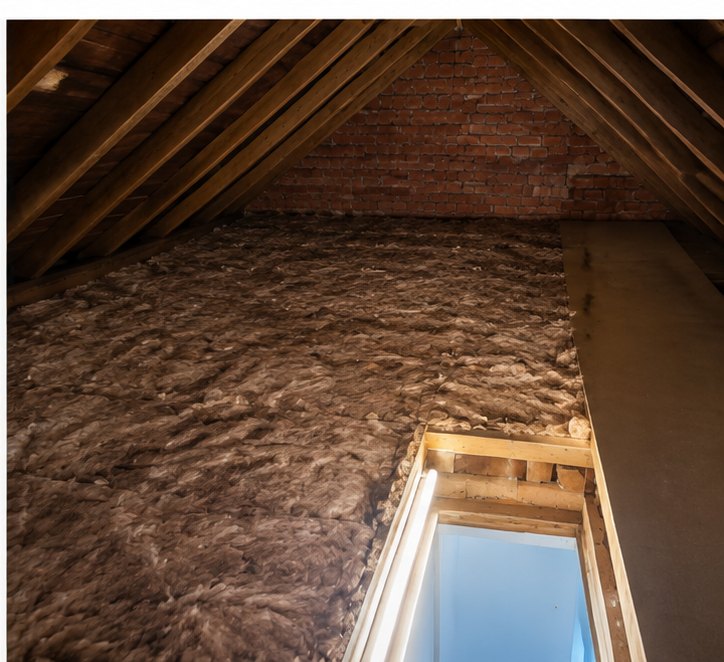
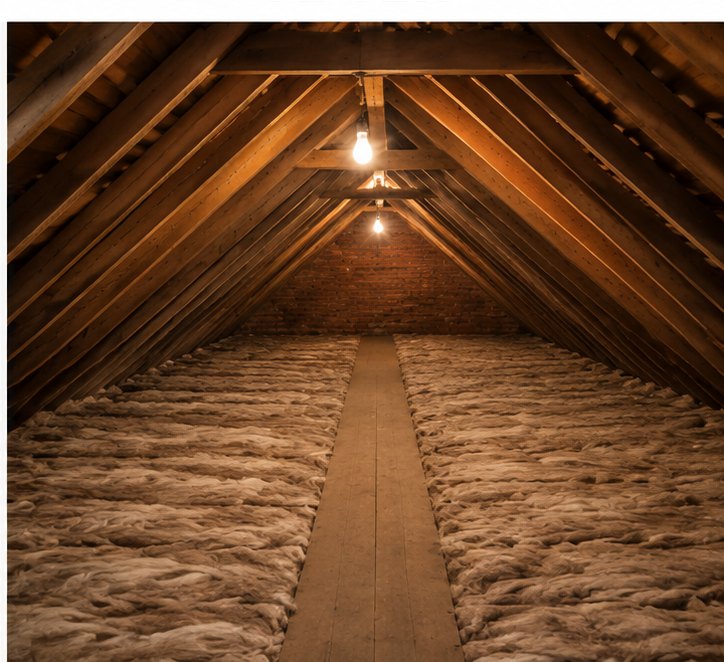
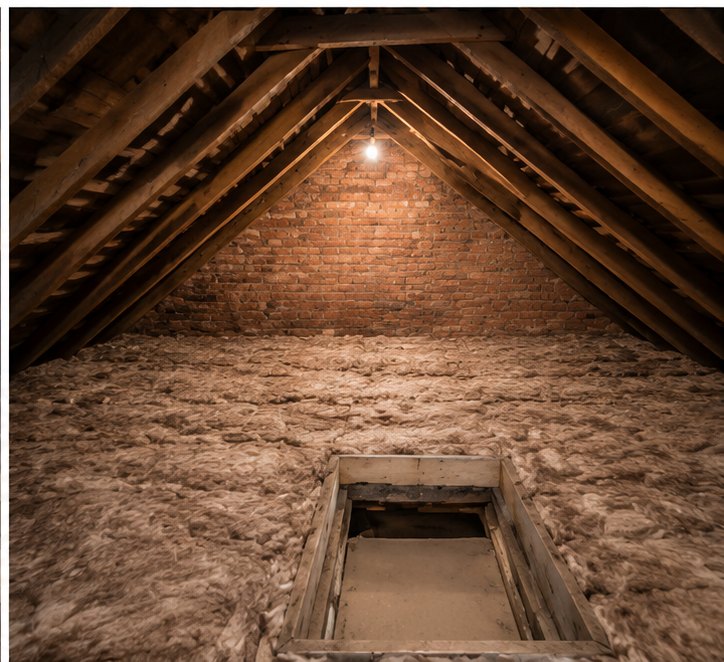
The Victorian terraces around Boston's centre and docks often have compact lofts with awkward access and insulation that has settled over the years. Interwar and post-war semis in the outer neighbourhoods typically carry thin original wool suited to a top-up, frequently with storage boards laid straight onto the joists. Older Georgian and traditional properties, including some listed buildings, need a more careful, breathable approach, since the wrong materials can trap moisture in structures built to breathe. The flat, exposed fenland setting means wind and driving rain are worth keeping in mind.
Local considerations
Boston sits low and exposed in the fens, so wind-driven rain and ventilation are real considerations. On older Georgian and traditional buildings, breathability matters, and sealing a roof too tightly with modern materials can push moisture into the structure. We keep the eaves clear on the terraces and semis so airflow is not blocked, and assess ventilation and moisture alongside insulation depth rather than as an afterthought.
Ventilation and moisture
Condensation and damp complaints are common in poorly ventilated Boston lofts, and the exposed fenland setting adds wind-driven rain to the picture. Insulation alone will not cure a moisture problem, so we identify the real cause — airflow, driving rain, a leak or a misrouted extractor — before recommending work.
What affects cost in Boston
In Boston, cost is driven mainly by loft access, whether old insulation needs removing, the exposure of the roof, and the care needed on older or listed buildings. Boarding and ventilation work also affect the price.