Homes in Bridgend
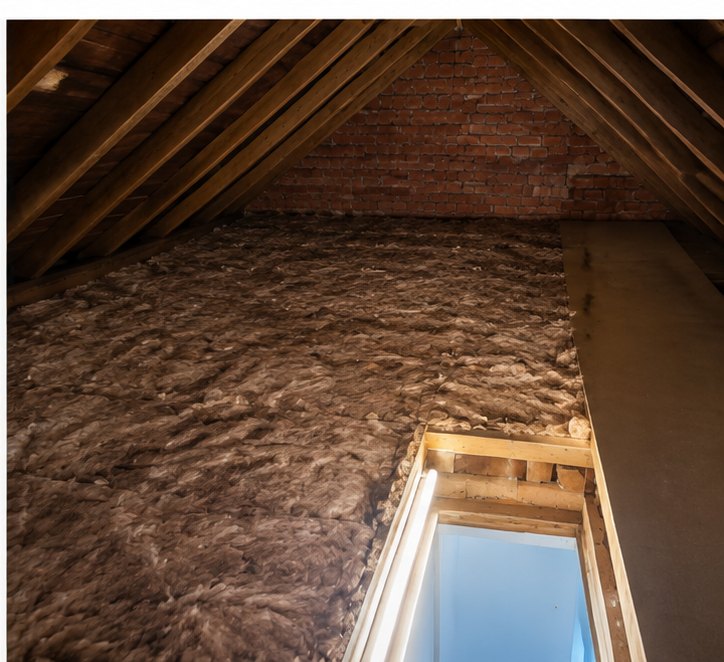
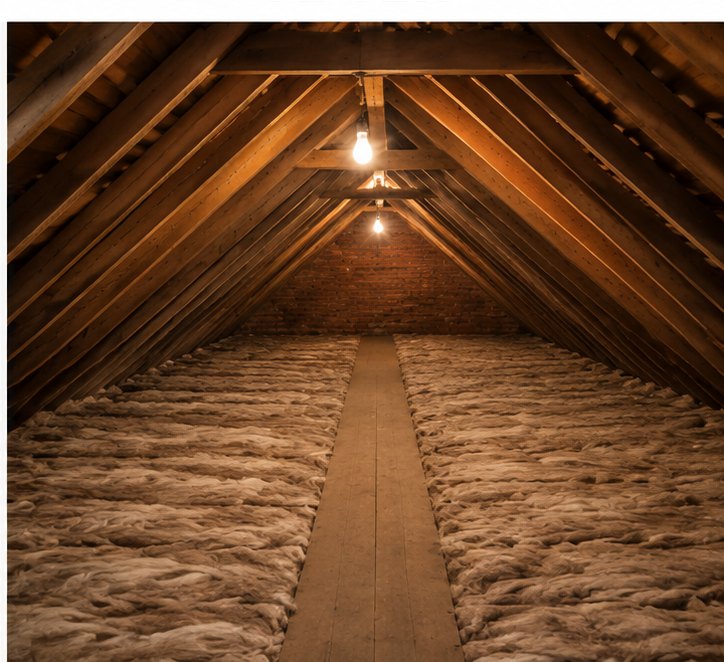
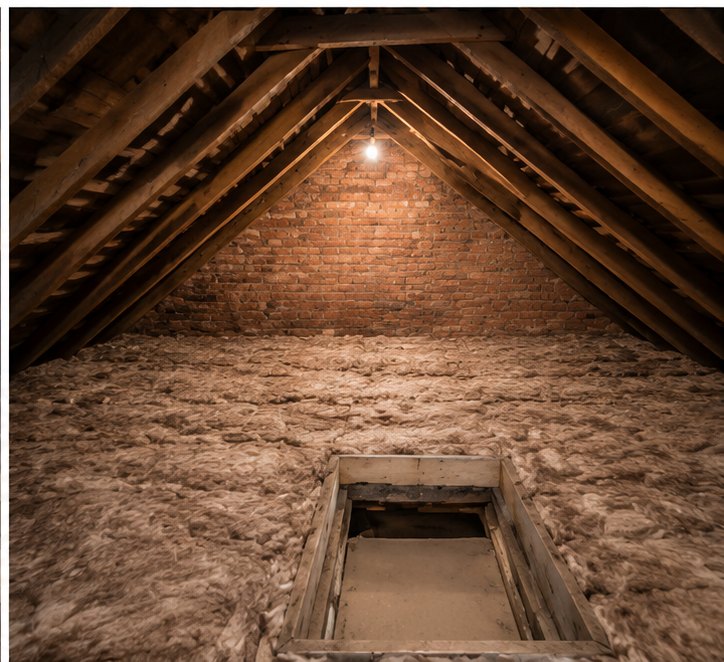
The valley terraces around Maesteg and the older parts of Bridgend often have compact, steeply pitched lofts, solid walls and insulation laid many years ago that has settled and thinned. Interwar and post-war semis across Litchard, Wildmill and Brackla usually carry thin original wool ideal for a top-up, and many have storage boards laid straight onto the joists. Village stone cottages in the outlying communities can have awkward roof structures worth assessing closely. The newer estate homes around Broadlands and Coity generally already have insulation, so the sensible question is boarding, ventilation or added depth.
Local considerations
Sitting between the wet uplands and the coast, Bridgend gets its share of rain and damp, so ventilation deserves attention. Packing insulation into the eaves of an older terrace can block airflow and cause condensation, so we keep the eaves clear and look at ventilation and insulation together. In older stone cottages we take care that the roof can still breathe before recommending a build-up.
Ventilation and moisture
Higher rainfall off the uplands makes condensation common in poorly ventilated Bridgend lofts. Insulation alone will not cure a moisture problem, so we identify the real cause — airflow, a leak or an extractor venting into the loft — before recommending work.
What affects cost in Bridgend
In Bridgend, cost is driven mainly by loft access, whether old insulation needs removing, the roof structure in older properties, and any boarding or ventilation work. Access to outlying valley and village homes can also be a factor.