Homes in Chelmsford
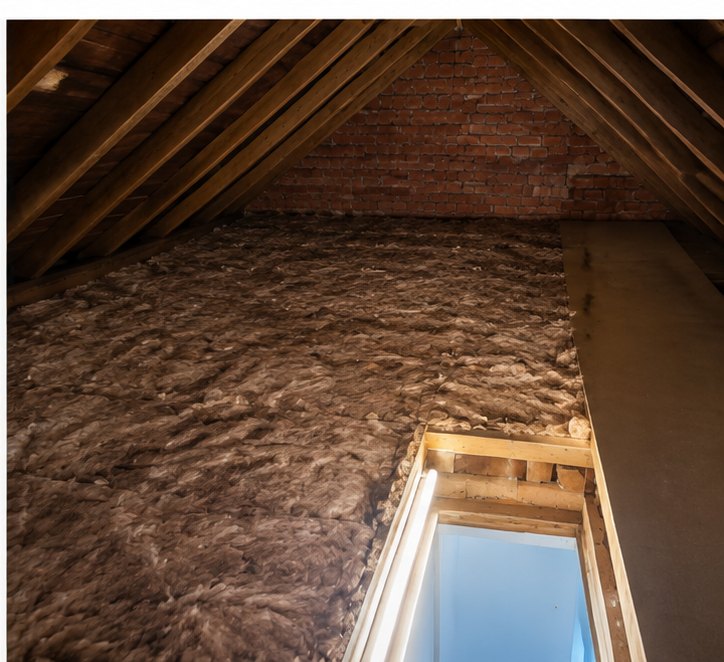
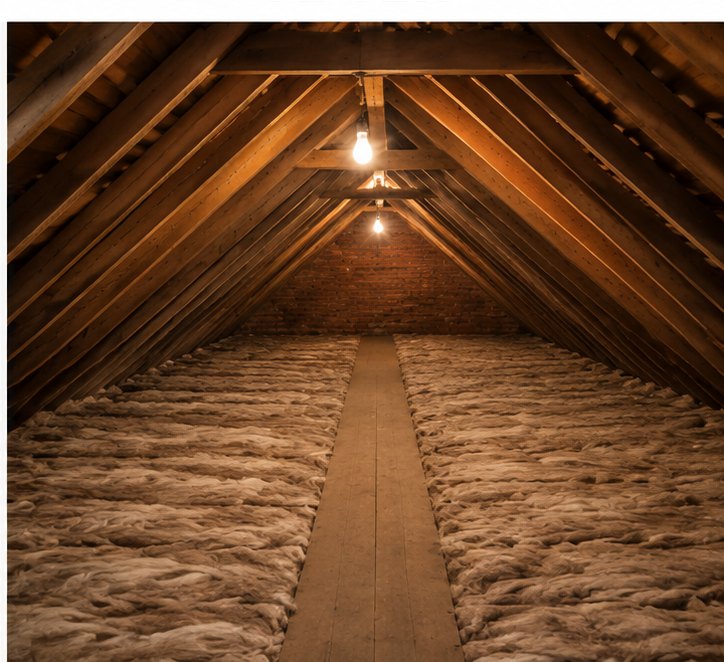
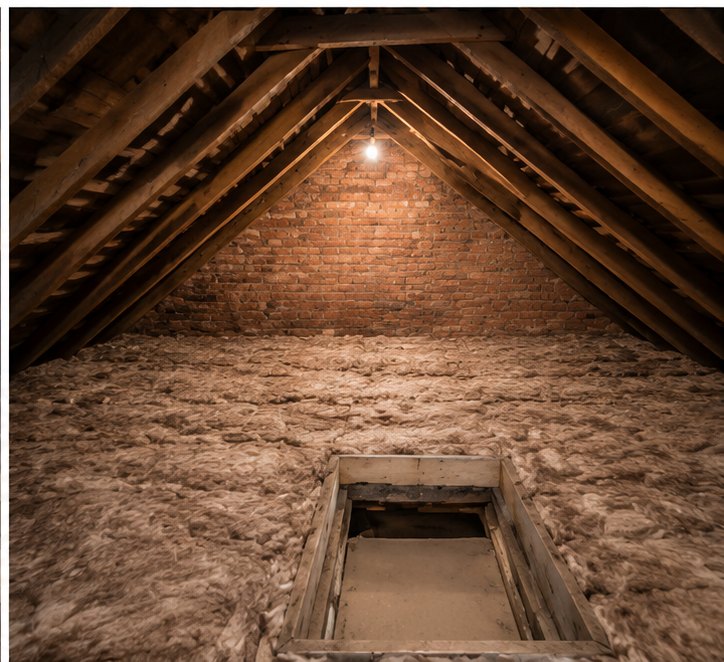
The bay-fronted terraces around the centre and Moulsham often have compact lofts with steep, awkward access and thin original insulation that has settled over the decades. Springfield, Great Baddow and Broomfield carry large numbers of 1930s and post-war semis where a top-up over sound existing wool is usually the practical route, frequently with storage boards laid straight onto the joists. The newer estates at Chelmer Village and Beaulieu Park generally have accessible trussed lofts that already meet a reasonable standard, so the useful question is whether even coverage, ventilation or raised boarding would add more than extra depth.
Local considerations
With such a spread of ages, the right approach in Chelmsford depends on the house. In older terraces we keep the eaves clear rather than packing them, because a period roof needs to keep breathing, and the riverside streets near the Chelmer and Can can be humid enough that ventilation deserves attention. In modern estate homes we look instead at whether existing insulation is even, undisturbed and clear of downlights, and whether storage boards are quietly compressing the layer beneath.
Ventilation and moisture
The river setting and a mix of housing ages mean condensation and damp complaints turn up in poorly ventilated Chelmsford lofts. Insulation on its own will not fix every moisture problem, so we check the actual cause — airflow, a roof leak or an extractor venting into the loft — before advising work.
What affects cost in Chelmsford
In Chelmsford, cost is driven mainly by the era of the property, loft access on older terraced streets, whether old insulation needs removing, and any boarding or ventilation work. Trussed roofs on newer estates can affect how boarding is arranged.