Homes in Corby
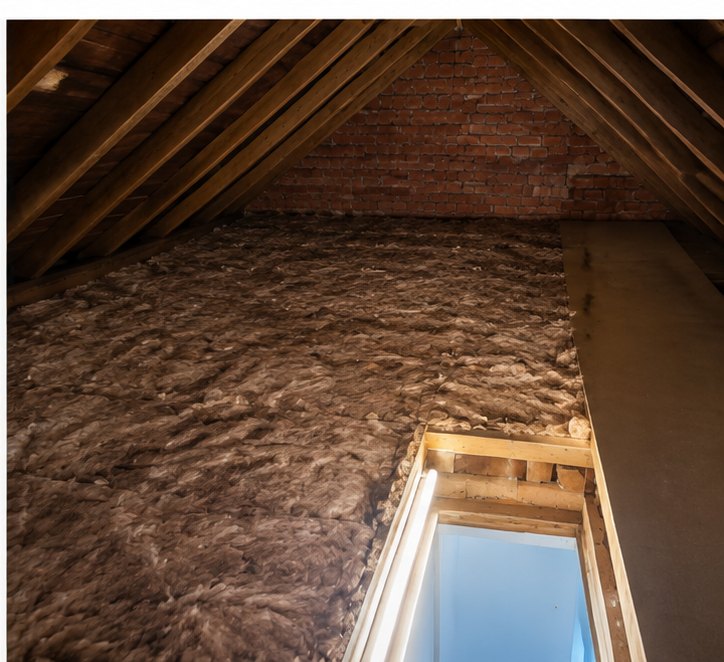
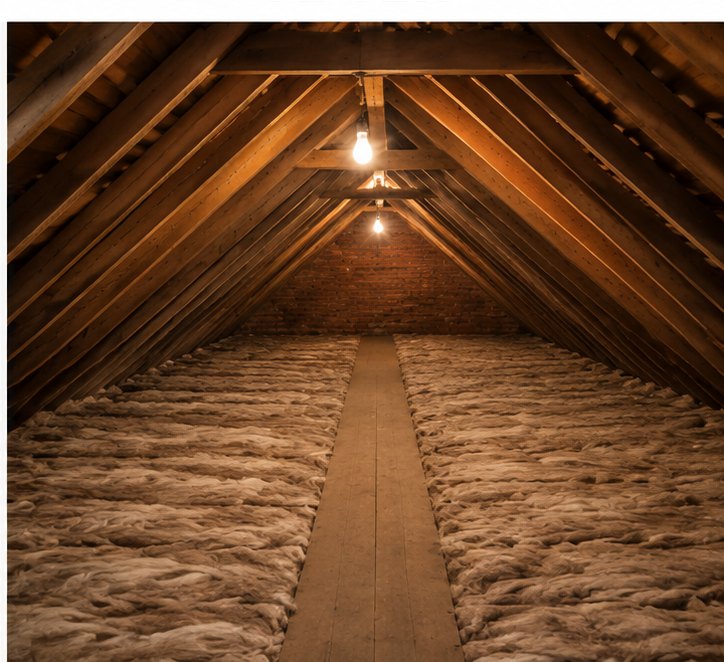
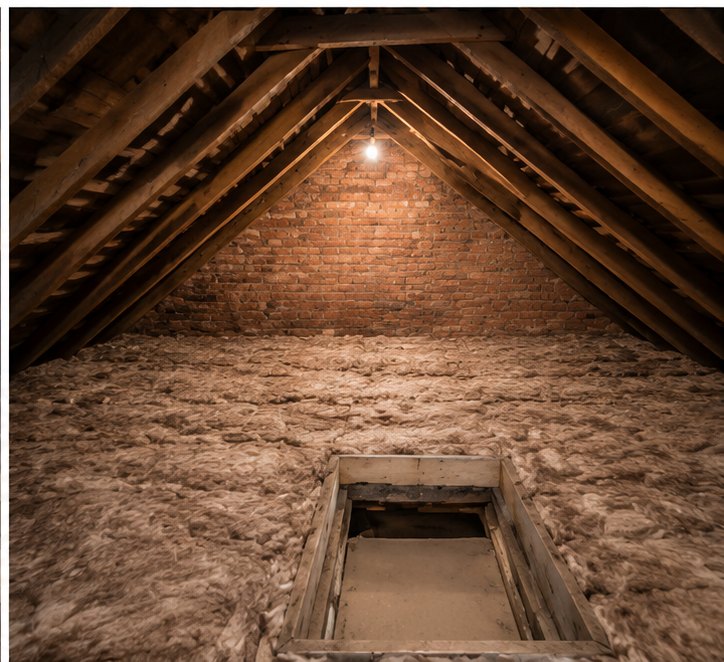
Corby's post-war estates were built quickly to house steelworkers, and their lofts vary in how they were constructed and insulated. Many carry thin original wool that suits a straightforward top-up over sound existing material, frequently with storage boards laid straight onto the joists. Newer estates from recent decades usually have some insulation already, so the question is whether adding depth, better boarding or improved ventilation is worthwhile. Older terraces and cottages from the town's earlier village core tend to have more compact lofts with awkward access and insulation that has settled over the years.
Local considerations
Corby's estate housing was generally built with basic ventilation, so it is worth checking that airflow at the eaves has not been blocked by insulation added over the years. We keep the eaves clear and treat ventilation and insulation as one question. Where an extractor has been fitted and routed into the loft rather than outside, we flag it before recommending a deeper build-up.
Ventilation and moisture
Condensation and damp complaints are common in poorly ventilated Corby lofts, particularly where extractors vent into the roof space or airflow has been blocked. Insulation alone will not cure a moisture problem, so we identify the real cause — airflow, a leak or a misrouted extractor — before recommending work.
What affects cost in Corby
In Corby, cost is driven mainly by whether existing insulation needs topping up or removing, the state of any boarding, and any ventilation work. Access on the estate streets is generally straightforward, which can keep jobs simple.