Homes in Craigavon
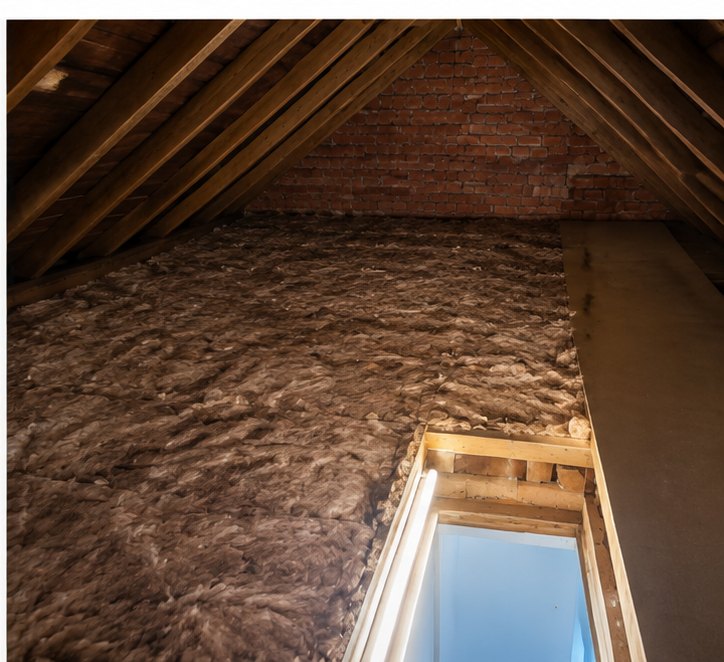
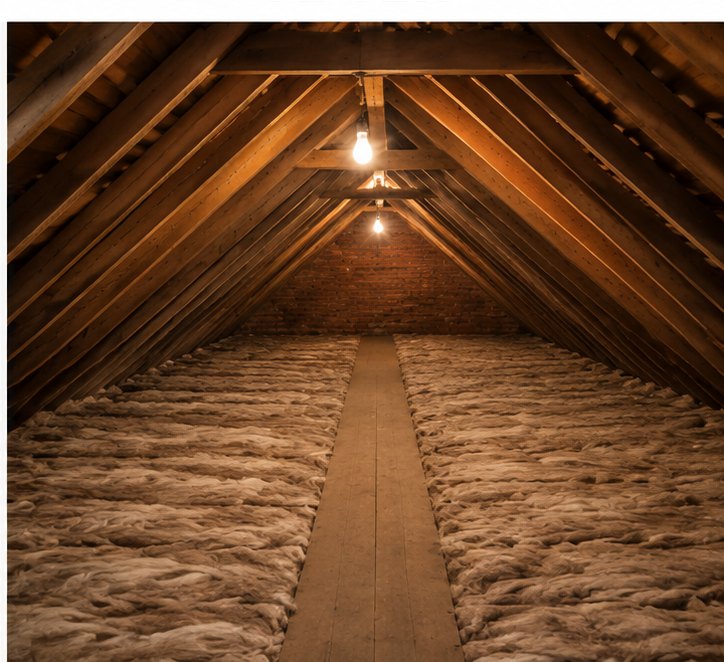
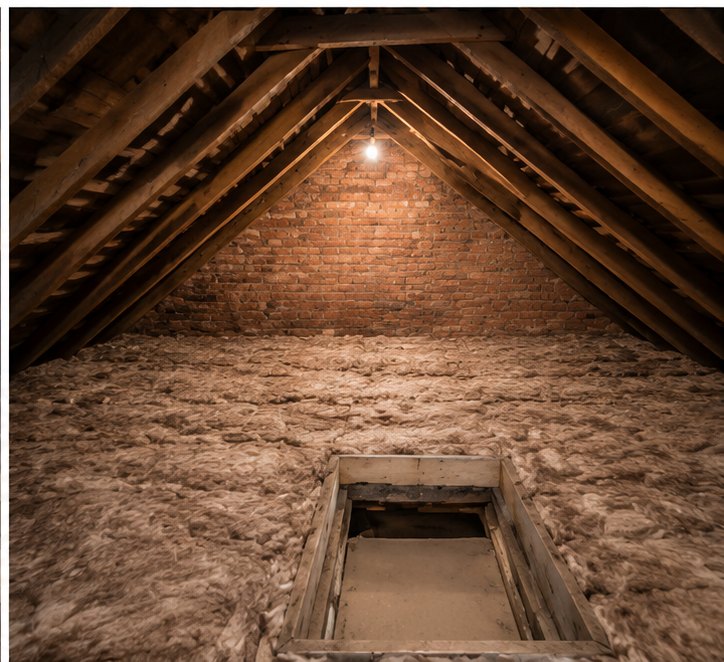
The 1960s and 1970s new-town houses at the heart of Craigavon usually have insulation already, so the question is often whether topping it up, improving ventilation or adding boarding gives a worthwhile improvement rather than assuming more depth is needed — and some of this stock has flat or shallow-pitched roofs that need particular assessment. The older terraces of Portadown and Lurgan have more compact, steeply pitched lofts with awkward access and thin, settled insulation. Interwar and post-war semis across the wider area typically carry ageing wool that suits a top-up, frequently with storage boards laid straight onto the joists.
Local considerations
Craigavon's wet, mild Atlantic climate makes ventilation and condensation worth close attention, and the low-lying setting near Lough Neagh adds to the damp. Packing insulation hard into the eaves can block airflow and encourage condensation, so we keep the eaves clear and treat ventilation and insulation as one question. On the new town's flatter or shallow-pitched roofs, and on older terraced roofs, we assess how the covering is coping before recommending a build-up.
Ventilation and moisture
The damp Atlantic climate and low-lying setting near Lough Neagh make condensation and mould common in poorly ventilated Craigavon lofts. Insulation alone will not cure a moisture problem, so we check for the real cause — airflow, a leak or an extractor venting into the loft — before recommending work.
What affects cost in Craigavon
In Craigavon, cost is driven mainly by the roof type on new-town housing, existing insulation, whether old material needs removing, loft access on older terraces, and any boarding or ventilation work.