Homes in Derby
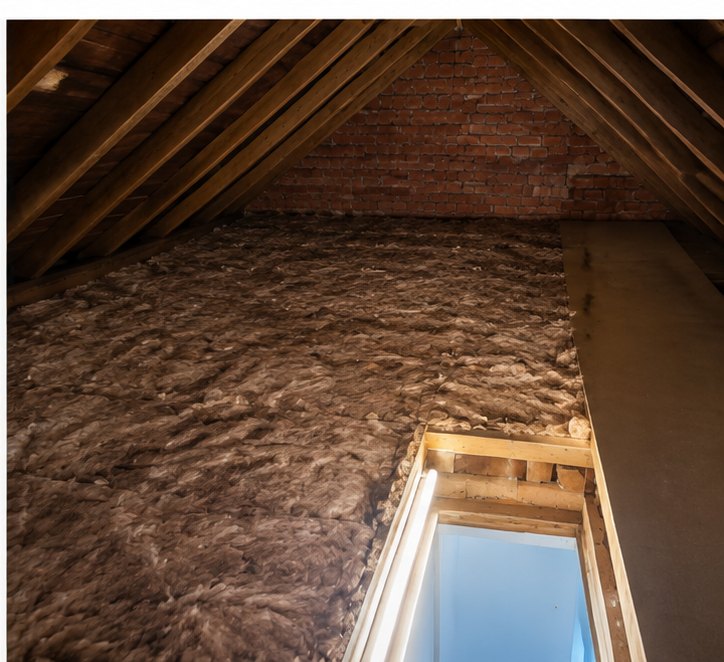
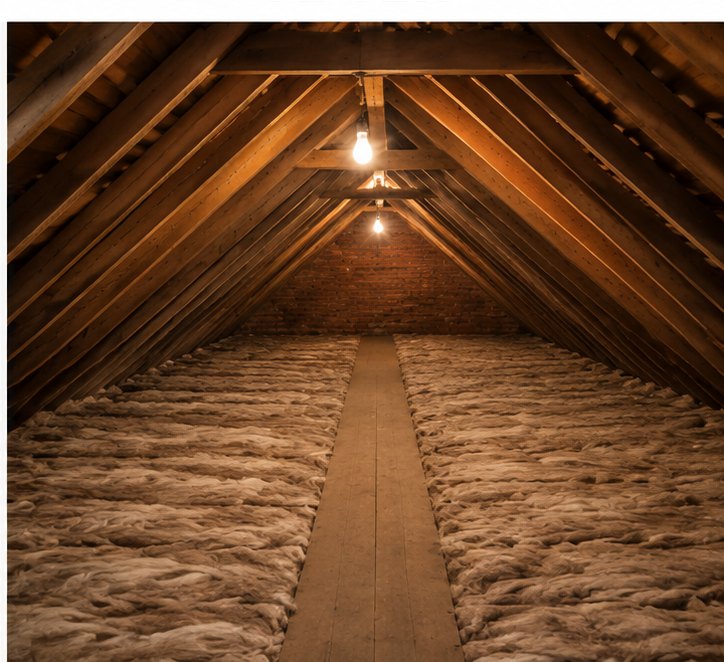
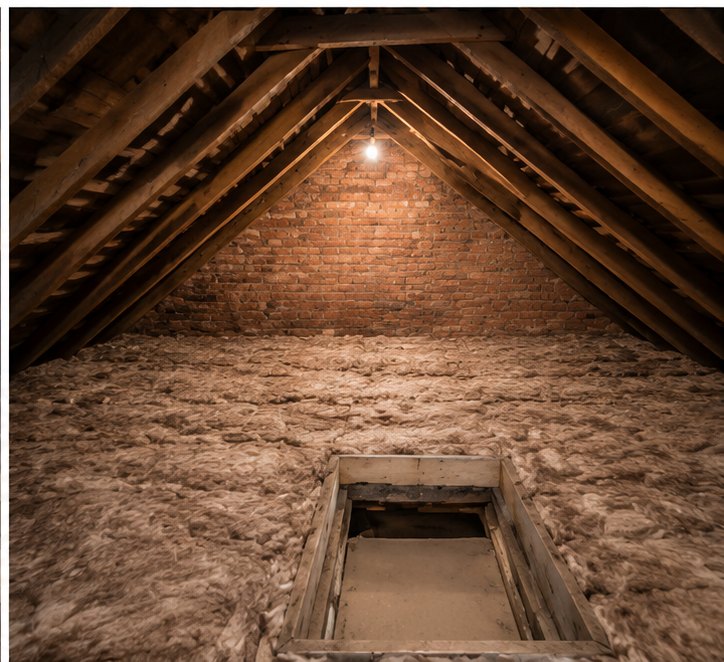
The terraces of Normanton and Peartree often have compact lofts with limited headroom and access above a tight stairwell, and insulation that has compressed over many years. Derby's large stock of interwar and 1950s semis in Littleover, Mickleover and Chaddesden typically carries thin original wool suited to a top-up, frequently with boards laid straight onto the joists for storage. Newer estates around Oakwood usually have some insulation already, so the question becomes whether adding depth, or improving boarding and ventilation, is the more worthwhile step.
Local considerations
Derby's older terraces were not built with modern ventilation in mind, so pushing insulation hard into the eaves can block airflow and encourage condensation. We keep the eaves clear and treat ventilation and insulation as one question. Where original bituminous felt sits beneath the tiles on the older Normanton streets, we check how the roof breathes before recommending a deeper build-up.
Ventilation and moisture
Condensation and damp are common complaints in poorly ventilated Derby lofts, especially in older terraces where extractors sometimes vent into the roof space. Insulation alone will not cure a moisture problem, so we identify the real cause — airflow, a leak or a misrouted extractor — before recommending work.
What affects cost in Derby
In Derby, cost is driven mainly by loft access on terraced streets, whether old insulation needs removing, and any boarding or ventilation work. Parking and access on narrower inner-city roads can also add to the job.