Homes in Dundee
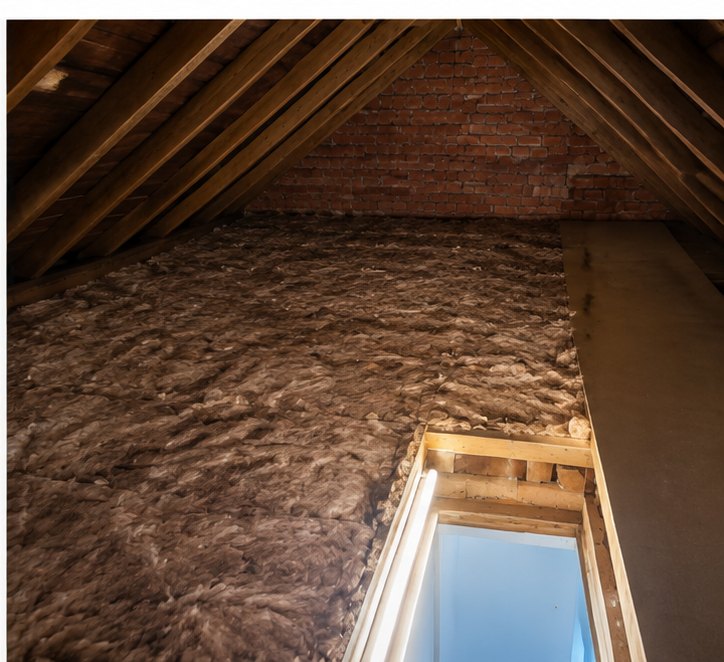
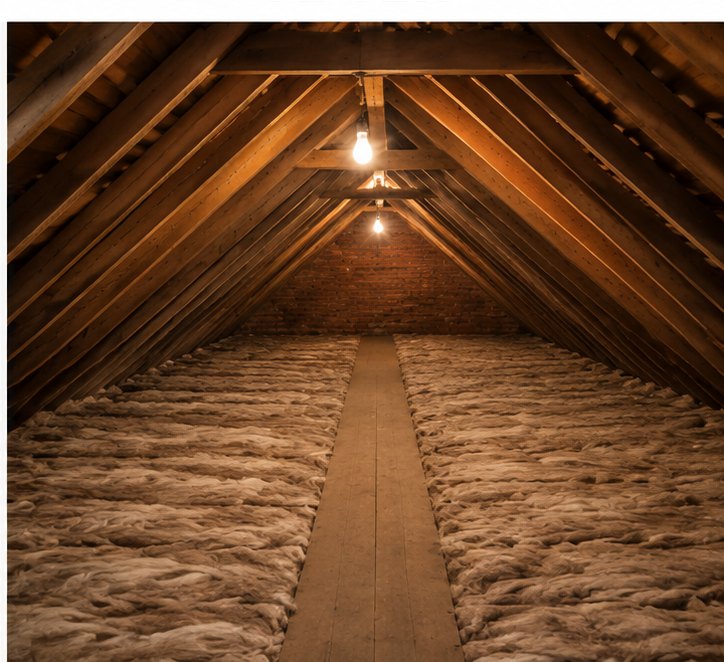
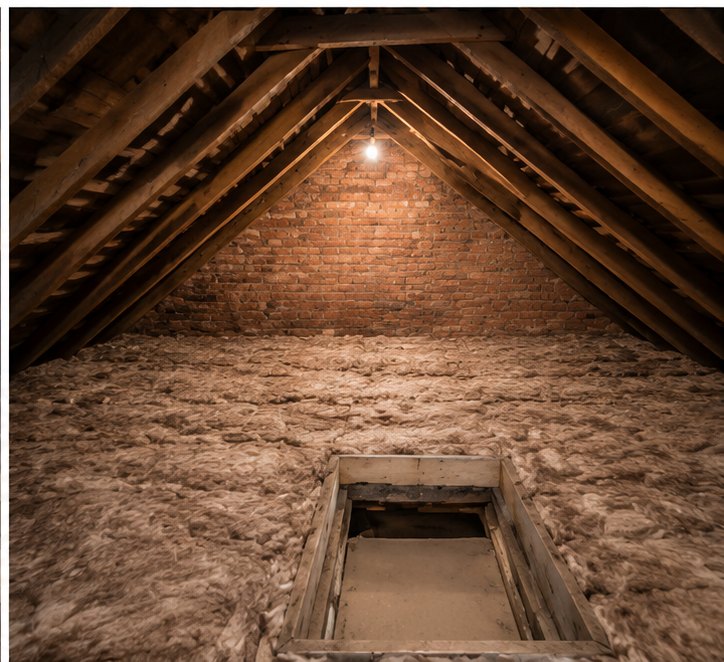
Sandstone tenement flats around Hilltown and the city centre usually share a common roof void above the top floor, so access and who is responsible differ from a house and are confirmed on a survey. Victorian terraces and villas in the West End and Broughty Ferry tend to have steep, sizeable lofts with long-settled original insulation. Post-war council housing at Fintry, Whitfield and Charleston typically carries thin original wool that suits a top-up, frequently with storage boards laid straight onto the joists, while exposed roofs above the Tay make airflow and moisture matter.
Local considerations
Scotland has its own building standards, and Dundee's cool, wet, wind-exposed east-coast climate makes ventilation, condensation and moisture control especially important; specifics are confirmed on a survey. Packing insulation hard into the eaves of an older tenement or sandstone terrace can block airflow and encourage condensation, so we keep the eaves clear and treat ventilation and insulation as one question. In shared tenement roofs we also consider how the whole void breathes, not just one flat.
Ventilation and moisture
Dundee's damp, exposed climate above the Tay makes condensation and damp complaints common in poorly ventilated lofts. Insulation alone will not cure a moisture problem, so we identify the actual cause — airflow, wind-driven rain, a leak or an extractor venting into the loft — before recommending work.
What affects cost in Dundee
In Dundee, cost is driven mainly by loft access — including shared tenement roofs — whether old insulation needs removing, the exposure of the roof, and any boarding or ventilation work. Parking on tenement and terraced streets can also be a factor.