Homes in Gateshead
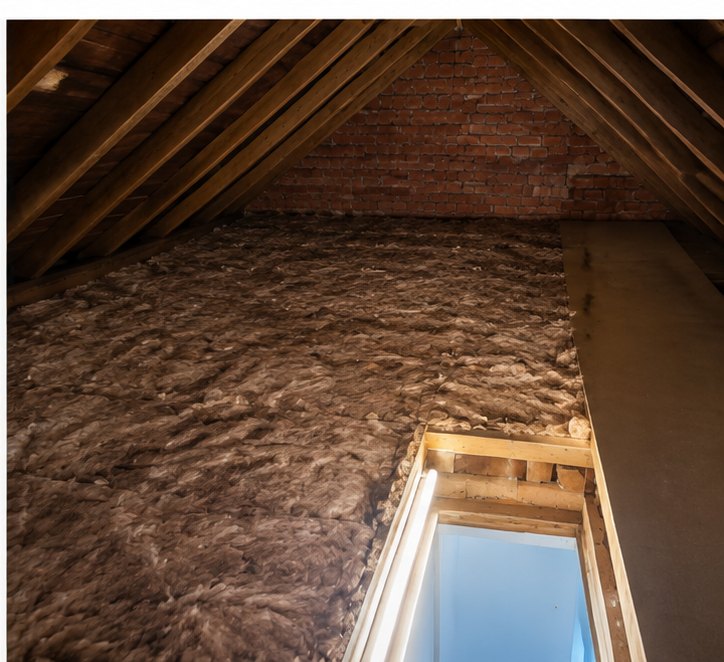
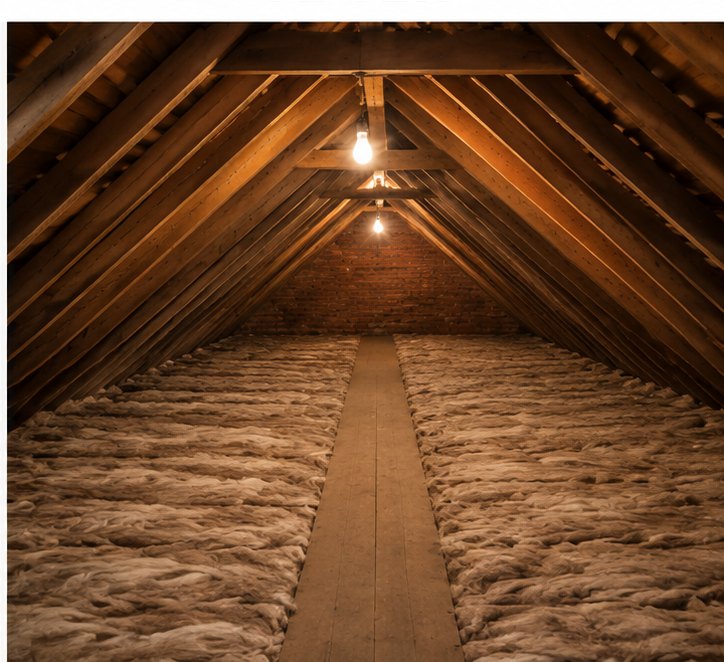
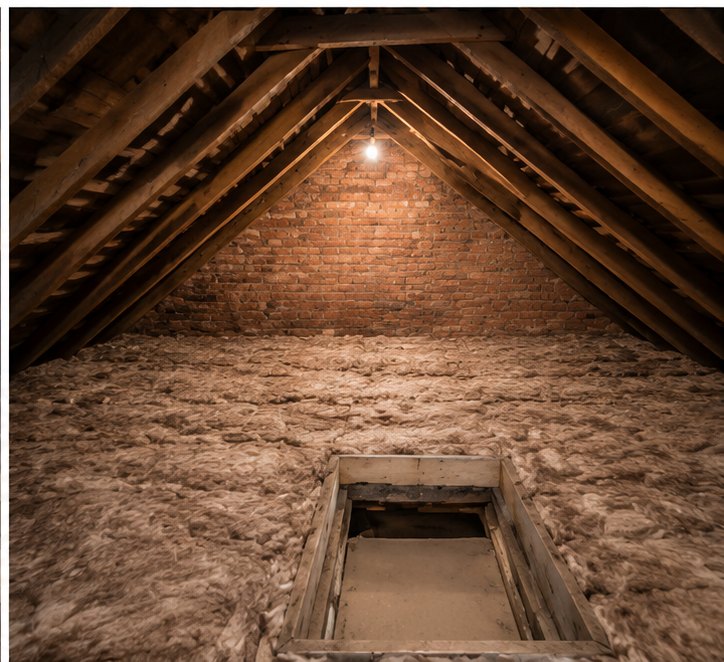
Bensham and Saltwell hold a large stock of Tyneside flats, where two households share one roof and access needs agreeing before work starts. The terraced streets here often have shallow, steeply pitched lofts reached awkwardly over a stairwell, with insulation laid decades ago and long since compressed. Much of Gateshead's stock is interwar and post-war semi-detached and council housing across Deckham and Wrekenton, typically carrying ageing wool that suits a top-up, frequently with storage boards laid straight onto the joists. Newer homes in Low Fell and toward Team Valley usually have some insulation already, so the question is whether adding more or improving ventilation is worthwhile.
Local considerations
The North East's cold, damp winters make ventilation worth close attention in Gateshead lofts. Piling insulation into the eaves of an older terrace can block what little airflow the roof has and encourage condensation, so we keep the eaves clear and treat ventilation and insulation as one question. In a Tyneside flat, we confirm how the shared roof void is divided and vented before recommending a build-up.
Ventilation and moisture
Cold winters and damp Tyneside air make condensation and staining common in poorly ventilated Gateshead lofts. Insulation alone will not cure a moisture problem, so we check for the real cause — airflow, a roof leak or an extractor venting into the loft — before recommending work.
What affects cost in Gateshead
In Gateshead, cost is driven mainly by loft access on terraced streets, whether a Tyneside flat roof void is shared, whether old insulation needs removing, and any boarding or ventilation work. Parking on narrow inner streets can also be a factor.