Homes in Glasgow
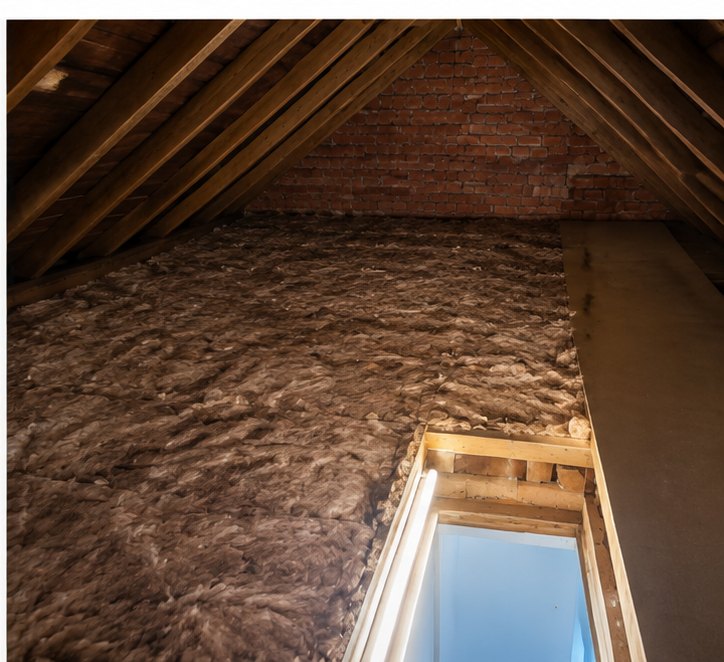
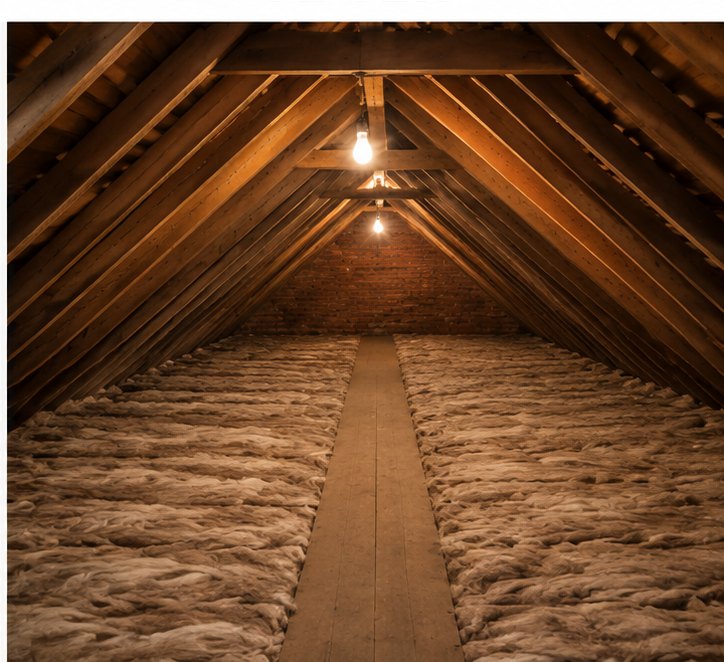
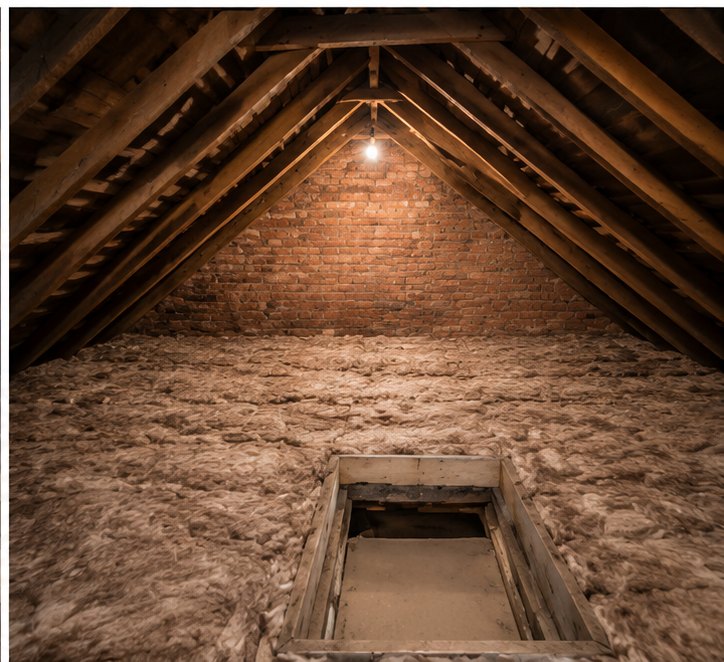
The tenement flats of the west end and south side share a common roof void above the top-floor properties, so loft access and who is responsible for it differ from a standard house — something we confirm on a survey. Victorian sandstone terraces and villas across Dennistoun, Pollokshields and Shawlands tend to have steep, sizeable lofts, often with insulation laid decades ago and since compressed. Post-war council-built housing in Drumchapel, Castlemilk and Easterhouse usually carries thin original wool that suits a top-up, frequently with storage boards fixed straight onto the joists.
Local considerations
Scotland sets its own building standards, and Glasgow's cooler, wetter, more exposed climate makes ventilation, condensation and moisture control especially important; the specifics are confirmed on a survey. Packing insulation hard into the eaves of an older tenement or sandstone terrace can block what little airflow the roof has and encourage condensation, so we keep the eaves clear and treat ventilation and insulation together. In shared tenement roof spaces we also consider how the whole void breathes, not just one flat.
Ventilation and moisture
Glasgow's high rainfall and damp westerly weather make condensation and damp complaints common in poorly ventilated lofts. Insulation alone will not cure a moisture problem, so we look for the actual cause — airflow, a roof leak or an extractor venting into the loft — before recommending work.
What affects cost in Glasgow
In Glasgow, cost is driven mainly by loft access — particularly in shared tenement roof spaces — whether old insulation needs removing, and any boarding or ventilation work. Parking and access on tenement-lined streets can also be a factor.