Homes in Havering
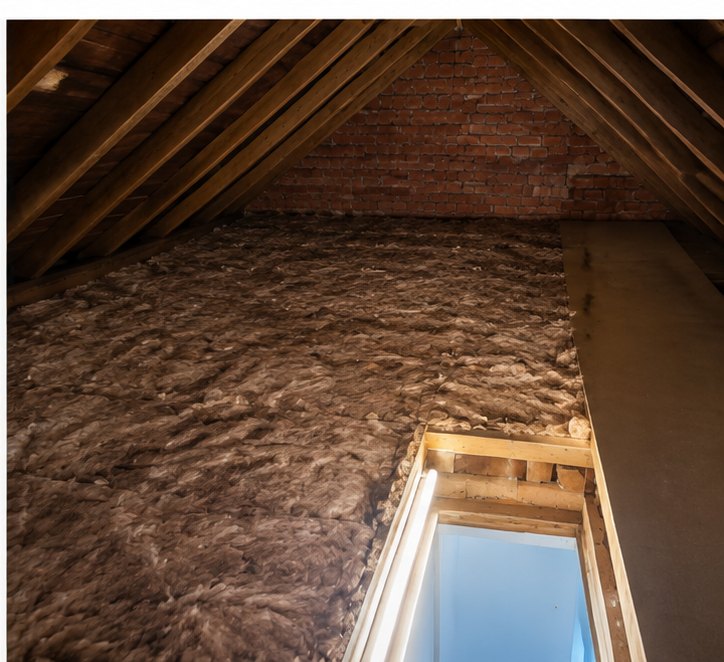
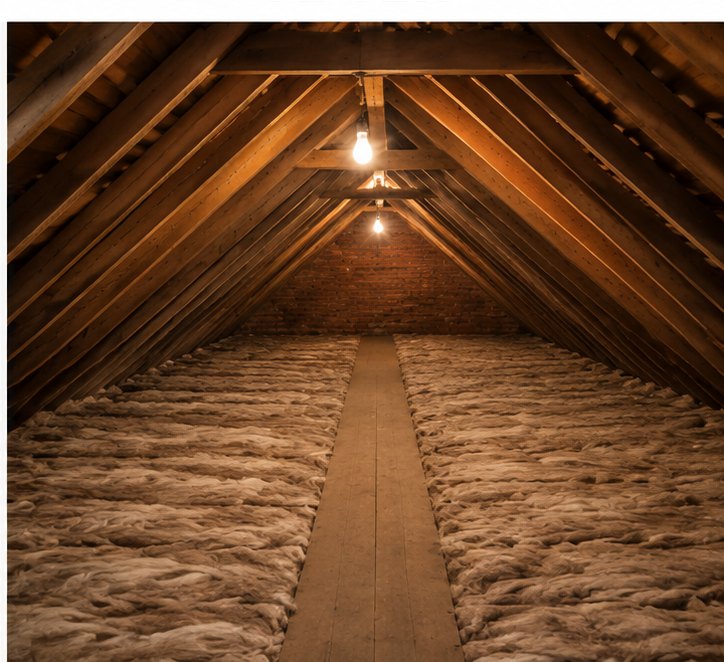
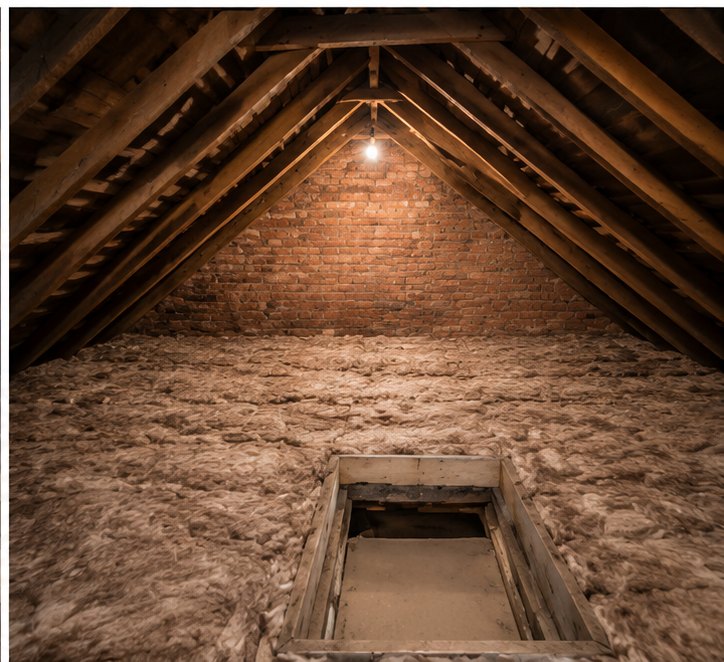
The 1930s semis that define Hornchurch and Upminster generally have thin original insulation, long since settled below today's depths, so a top-up over sound material is often the sensible step — and many carry boards laid straight onto the joists for storage. Bungalows around Upminster have large roof areas where a proper build-up pays off, though the low void can be awkward to work in. Towards Rainham, older cottages and post-war and newer homes vary considerably, so what is genuinely in the loft is best confirmed on inspection.
Local considerations
Havering's interwar roofs were not designed for modern ventilation, so we keep the eaves clear and consider airflow when adding insulation. Part-converted lofts are common in these suburban semis, so we check whether the work is at loft-floor joist level or a room-in-roof needing rafter-level treatment. Boarded hatches and storage decks often hide compressed wool, and larger suburban roofs simply take more material to bring up to standard.
Ventilation and moisture
Poorly ventilated Havering lofts often develop condensation, especially where a kitchen or bathroom extractor has been vented into the roof space. We trace the cause first rather than assuming more insulation will resolve it.
What affects cost in Havering
In Havering, the roof area of the larger semis and bungalows, the depth and condition of existing insulation, access and parking, and any removal, boarding or ventilation work are the main influences on a quotation.