Homes in King's Lynn
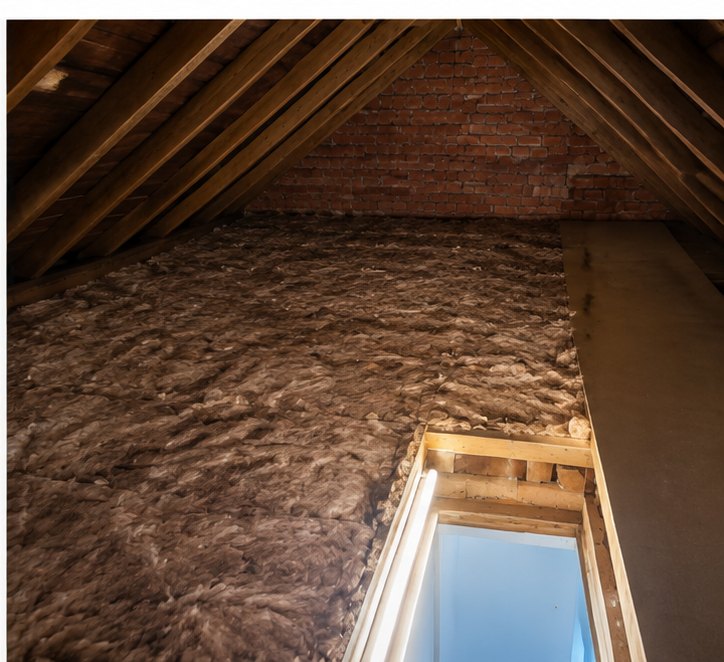
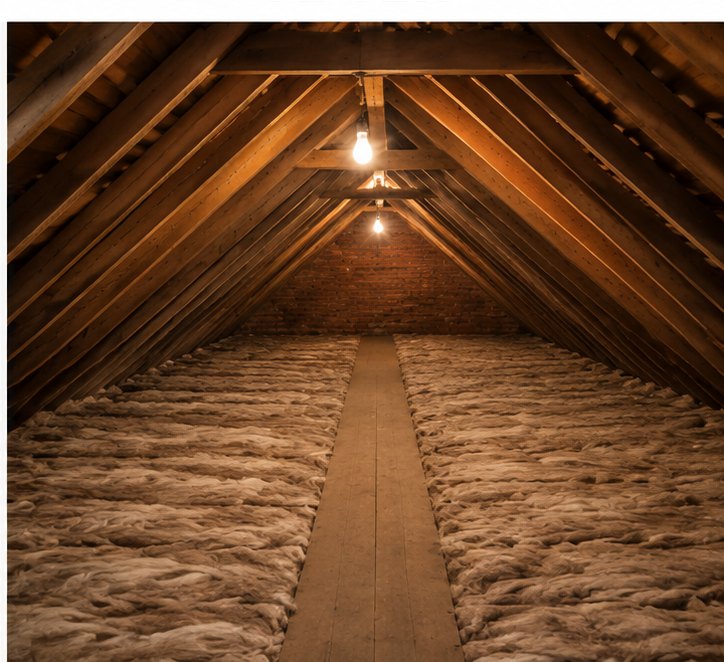
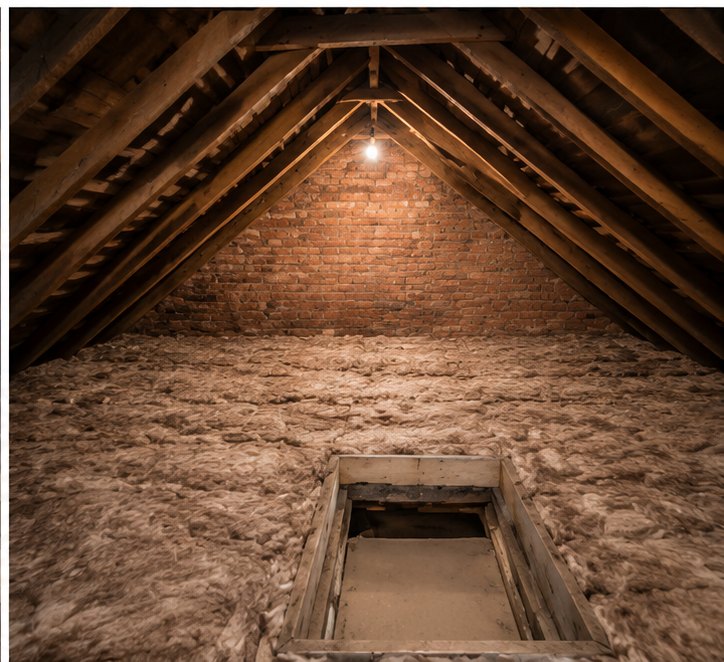
King's Lynn's historic core holds many listed and traditionally built homes, where lofts can be irregular and tight and where a heavy, moisture-trapping build-up is unwise, so breathability and careful material choice matter. Much of the town is interwar and post-war semi-detached housing across Gaywood and South Wootton, usually suited to a top-up over sound existing wool, often with boards laid onto the joists. Newer estate homes towards the edge generally have insulation already, so the question becomes whether adding depth, boarding or ventilation is worthwhile.
Local considerations
King's Lynn sits low on the Wash, flat and exposed to North Sea weather, so ventilation and wind-driven rain are worth attention even in a relatively dry region. On listed and traditional homes, breathability is essential — trapping damp in an old roof can cause harm — so we keep the eaves clear, assess how the roof breathes, and treat ventilation and insulation as one question rather than simply piling material in.
Ventilation and moisture
Exposure to the Wash, wind-driven rain and older breathable construction make condensation and trapped moisture real risks in King's Lynn lofts. Insulation alone will not cure a moisture problem, so we identify the actual cause — airflow, driving rain, a leak or an extractor venting into the loft — before recommending work.
What affects cost in King's Lynn
In King's Lynn, cost is driven mainly by the care needed on historic and listed property, whether old insulation needs removing, the exposure and access of the roof, and any boarding or ventilation work. Traditional roofs sometimes call for breathable materials, which can affect the specification.