Homes in Livingston
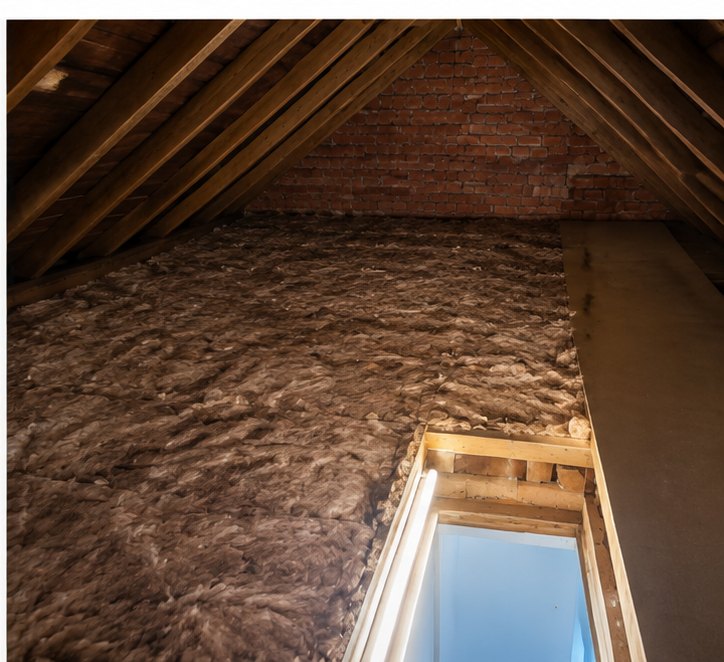
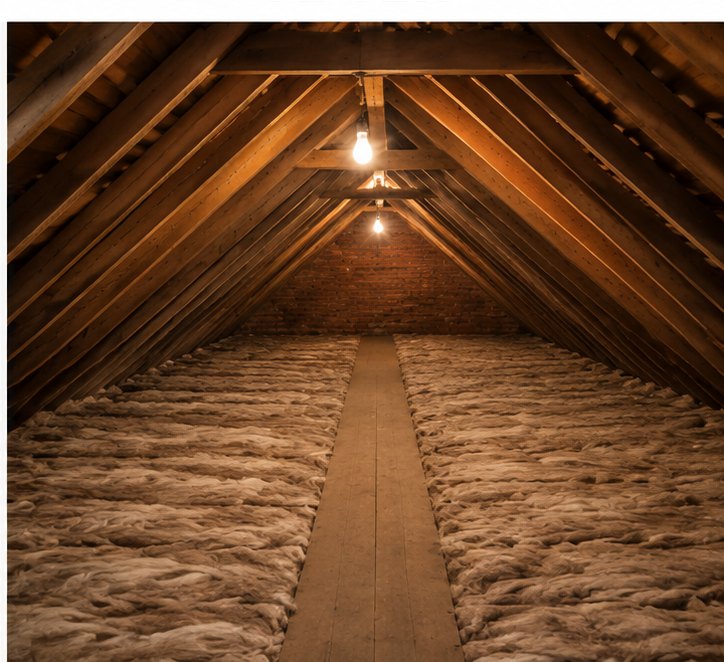
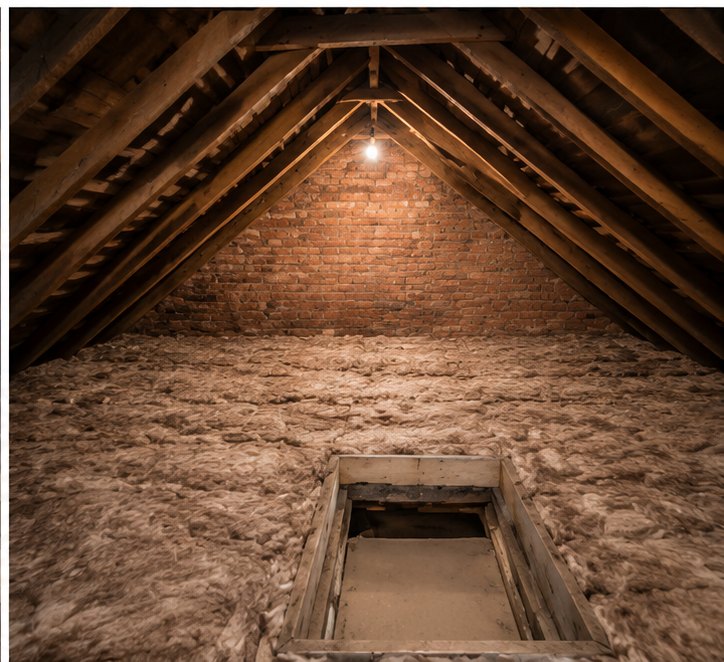
The great majority of Livingston's stock is post-1965 new town housing — semis, terraces and council-built homes across Craigshill, Ladywell, Dedridge and Deans — typically carrying original wool that has settled and often suits a top-up. Storage boards are frequently laid straight onto the joists, compressing the insulation beneath and choking airflow at the eaves. Later private estates around Eliburn and Murieston usually have more recent insulation, so improved boarding or ventilation is often the sensible step rather than simply adding depth.
Local considerations
Scotland has its own building standards, and Livingston's cool, wet, exposed central-belt climate makes ventilation, condensation and moisture control especially important; specifics are confirmed on a survey. Even in newer estate housing, storage boards fixed straight onto the joists can crush the insulation and block airflow at the eaves, so we keep the eaves clear and treat ventilation and insulation as one question rather than simply adding more material.
Ventilation and moisture
Livingston's damp, cool climate makes condensation and damp complaints common in poorly ventilated lofts, including newer estate homes with boarded, under-ventilated roofs. Insulation alone will not cure a moisture problem, so we identify the actual cause — airflow, a leak or an extractor venting into the loft — before recommending work.
What affects cost in Livingston
In Livingston, cost is driven mainly by whether old insulation needs removing, the amount of existing storage boarding to lift and refit, and any ventilation work. Access is usually straightforward on estate housing, which keeps most jobs simple.