Homes in Manchester
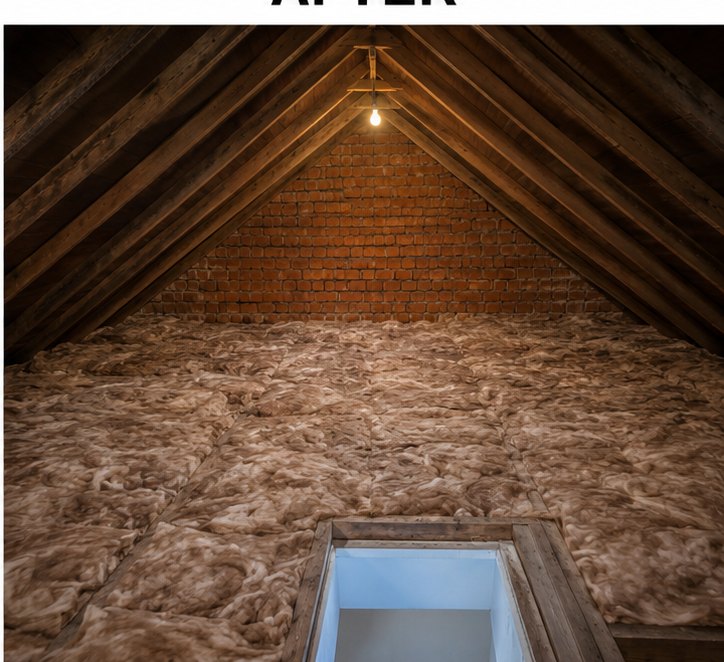
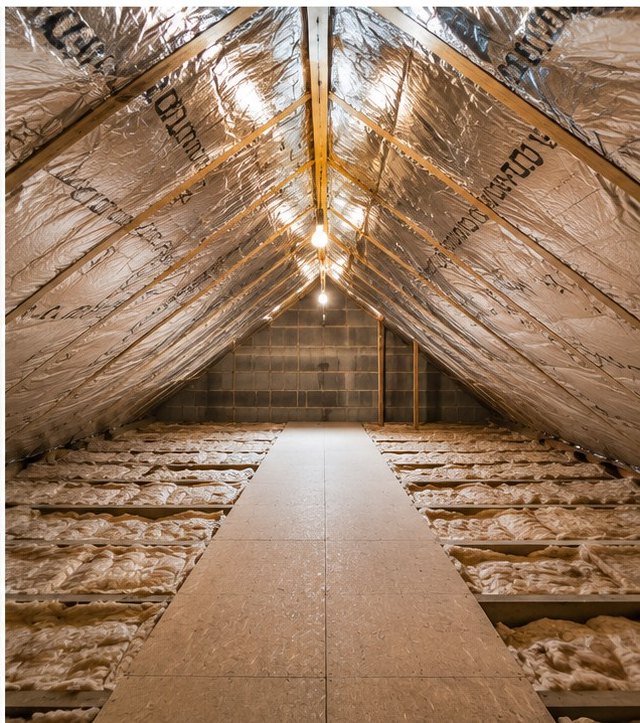
The inner terraces of Longsight, Levenshulme and Harpurhey often have shallow, awkwardly accessed lofts with insulation that was laid decades ago and has since compressed. Move out to Didsbury, Withington and Chorlton and you find larger Victorian and Edwardian houses alongside interwar semis, where a top-up over sound existing wool is frequently the sensible route and storage boards have often been laid straight onto the joists. In the converted mills and new blocks around the city centre, the roof space is usually a shared or managed responsibility, which changes both what can be done and who arranges it.
Local considerations
Manchester's reputation for rain is not undeserved, and the damper Pennine-edge climate makes ventilation worth close attention. Packing insulation hard into the eaves of an older terrace can block what little airflow the roof has and encourage condensation, so we keep the eaves clear and treat ventilation and insulation as one question. Where original bituminous felt sits beneath the slates, we assess how the roof breathes before recommending a build-up.
Ventilation and moisture
Manchester's high rainfall means condensation and damp complaints are common in poorly ventilated lofts across the city. Insulation alone will not cure a moisture problem, so we check for the actual cause — airflow, a roof leak or an extractor venting into the loft — before recommending work.
What affects cost in Manchester
In Manchester, cost is driven mainly by loft access on terraced streets, whether old insulation needs removing, and any boarding or ventilation work. Parking and access on narrow inner-city roads can also be a factor.