Homes in Middlesbrough
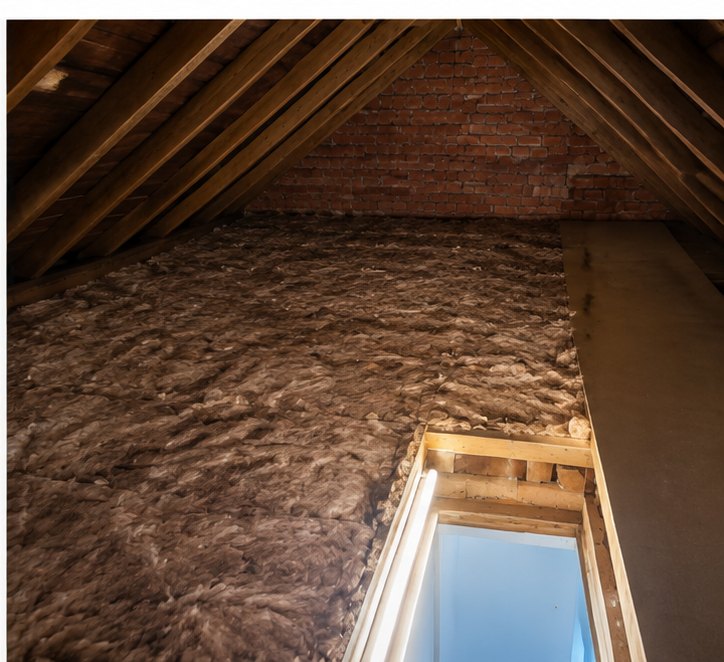
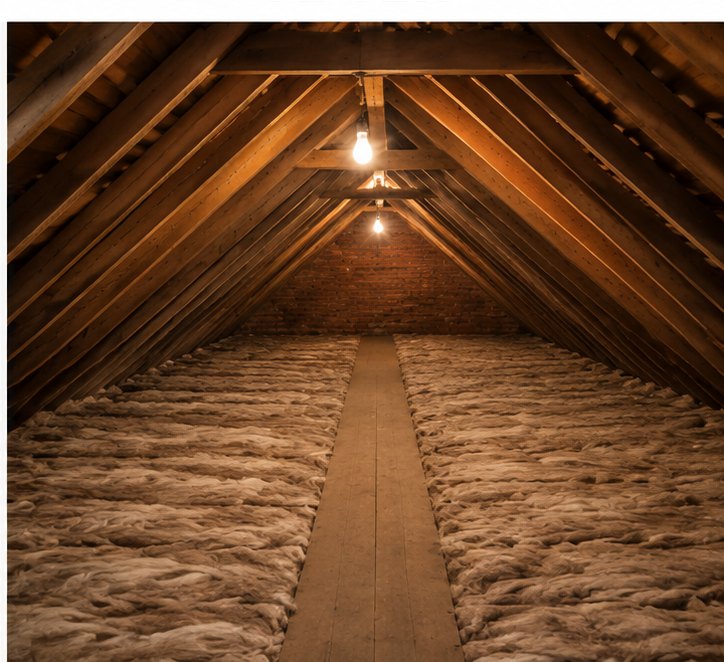
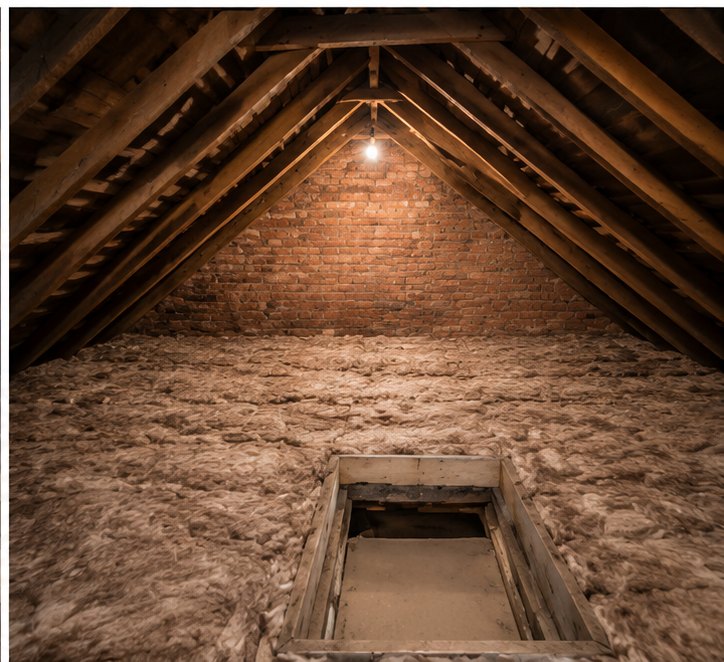
The boom-era terraces of central Middlesbrough were often built quickly and to a tight budget, so lofts can be shallow and steeply pitched with awkward access over a stairwell and thin, settled insulation. Linthorpe's Edwardian bay-fronted terraces are more generous but still compact in the roof. Much of the town's stock is interwar and post-war semi-detached and council housing across Berwick Hills and Park End, typically carrying ageing wool that suits a top-up, frequently with storage boards laid straight onto the joists. Newer estates in Coulby Newham and Nunthorpe usually have some insulation already, so the question is whether more, or better ventilation and boarding, is worthwhile.
Local considerations
Teesside's cold, damp winters and exposure toward the coast and the flat river estuary make ventilation worth close attention in Middlesbrough lofts. Packing insulation into the eaves of an older terrace can block what little airflow the roof has and encourage condensation, so we keep the eaves clear and treat ventilation and insulation together. On rapidly built boom-era roofs we assess how the covering is coping before recommending a build-up.
Ventilation and moisture
Cold winters and damp estuary air make condensation and staining common in poorly ventilated Middlesbrough lofts. Insulation alone will not cure a moisture problem, so we identify the real cause — airflow, a leak or an extractor venting into the loft — before recommending work.
What affects cost in Middlesbrough
In Middlesbrough, cost is driven mainly by loft access on tightly built central terraces, whether old insulation needs removing, and any boarding or ventilation work. Parking on narrow terraced streets can also be a factor.