Homes in Oxford
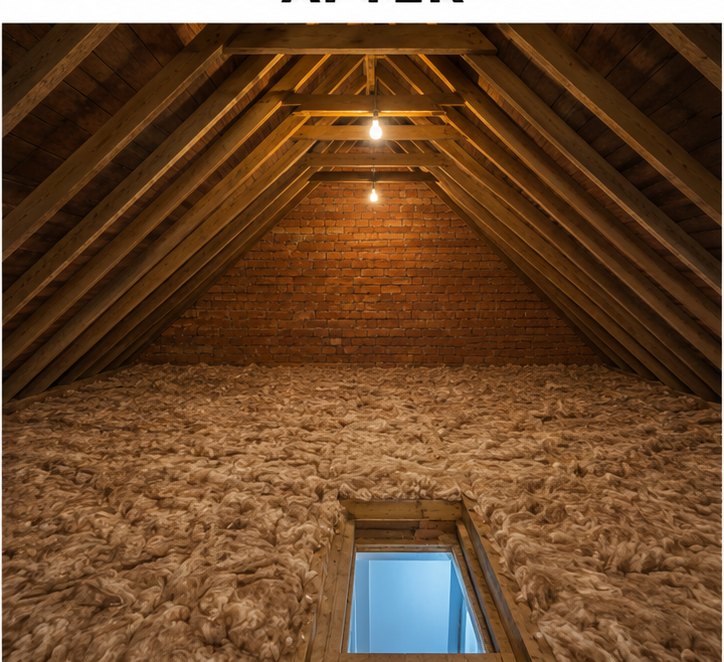
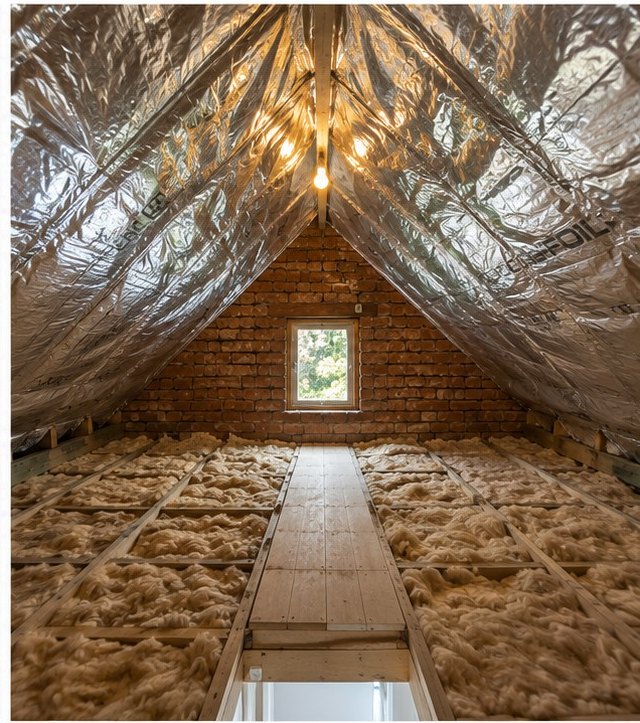
The tight terraces of Jericho and the Cowley Road often have shallow lofts, awkward access over a stair, and original insulation that has thinned or compressed over the years. Many sit within conservation areas, where the roof itself may be historically sensitive and any work needs a careful, breathable approach. Headington and Marston have plenty of 1930s semis where a straightforward top-up over sound existing wool is usually the sensible route, frequently with boards already laid straight onto the joists. Newer homes near the ring road tend to have some insulation already, shifting the question toward ventilation or boarding.
Local considerations
Oxford's low-lying, riverside setting and its conservation-area housing both shape how we work. In older terraces we keep the eaves clear so the roof can still breathe, because packing insulation tight into the eaves of a period roof often traps moisture rather than saving heat. Where a property is listed or in a conservation area, we favour breathable materials and a light touch, and we check whether any consents apply before recommending a build-up.
Ventilation and moisture
Oxford's river valleys and generally damp air mean condensation is a common complaint in poorly ventilated lofts. Insulation alone will not resolve a moisture problem, so we look for the real cause — blocked airflow, a roof leak, or a bathroom extractor venting into the loft — before advising any work.
What affects cost in Oxford
In Oxford, cost is driven mainly by loft access on narrow terraced streets, whether old insulation needs removing, and any boarding or ventilation work. Restricted parking and access in central and conservation areas can add to a job.