Homes in Tunbridge Wells
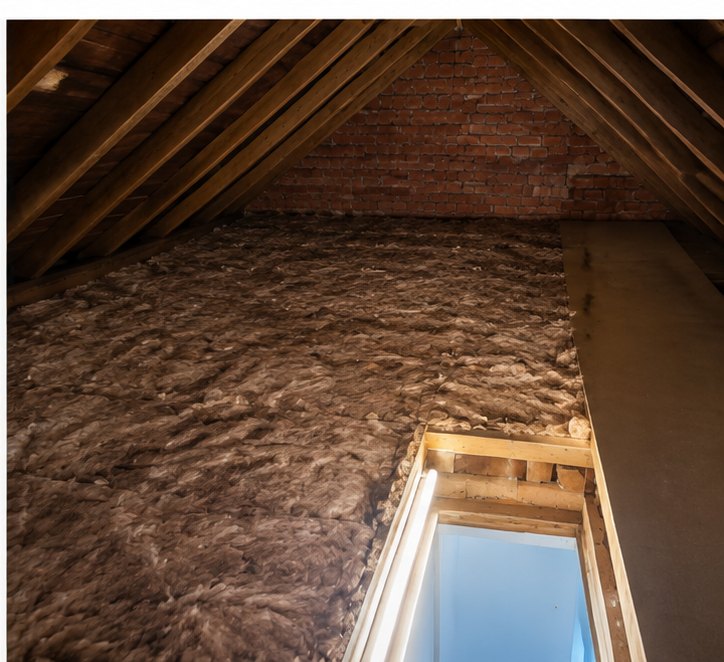
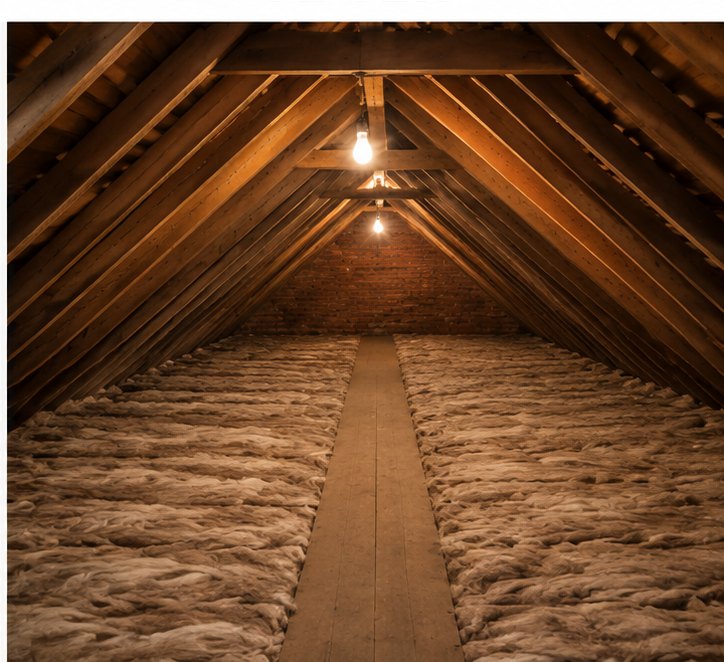
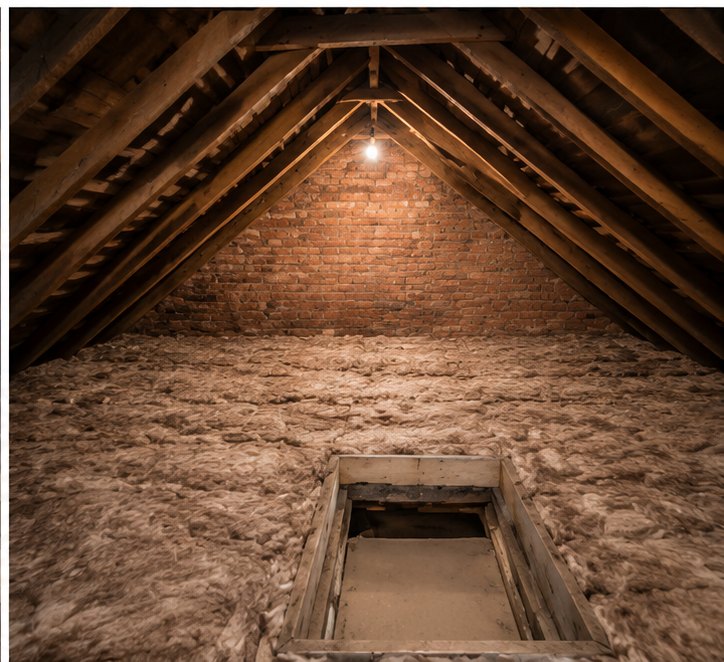
The town's steep, leafy streets are lined with tall Victorian and Edwardian houses whose lofts are frequently narrow, awkwardly accessed over a stairwell and insulated with thin or long-settled material. Grand Regency villas and their conversions can have complex roof structures that reward a considered approach. The interwar semis around St John's and the post-war estates toward High Brooms and Sherwood tend to carry older wool that suits a top-up, often with storage boards laid straight onto the joists. Newer homes usually have insulation in place, so boarding or ventilation is the more relevant question.
Local considerations
With so much of central Tunbridge Wells in conservation areas and built before modern breathable membranes, ventilation deserves close attention. Forcing insulation into the eaves of an older villa or terrace can choke what little airflow the roof has and encourage condensation, so we keep the eaves clear and treat ventilation and insulation together. On High Weald properties with original slate and ageing felt, we check how the roof breathes before recommending a build-up.
Ventilation and moisture
In older Tunbridge Wells roofs, condensation is often down to poor airflow rather than a leak. Insulation alone will not cure a moisture problem, so we identify the actual cause — blocked ventilation, a slipped tile or an extractor venting into the loft — before recommending work.
What affects cost in Tunbridge Wells
In Tunbridge Wells, cost is driven mainly by access to steep period roofs, the care needed in conservation areas, whether old insulation must be removed, and any boarding or ventilation work. Parking on the hilly terraced streets can also be a factor.