Homes in Waltham Forest
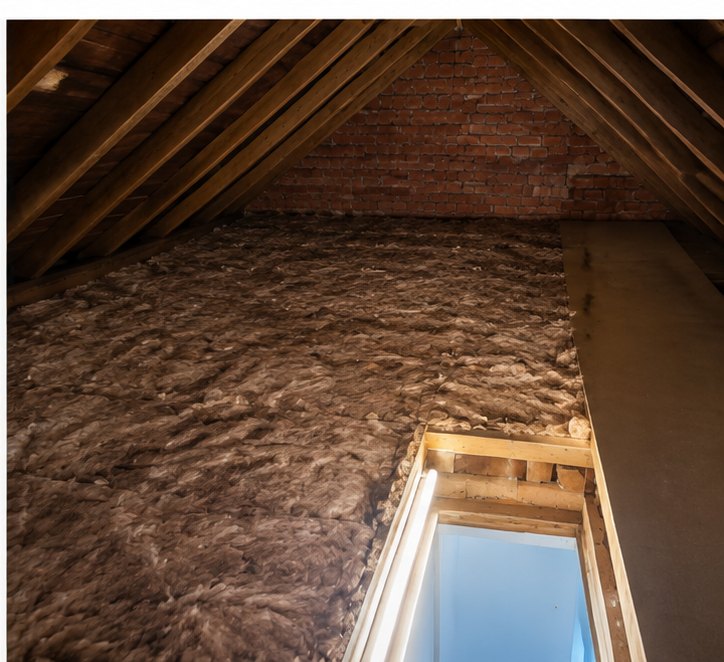
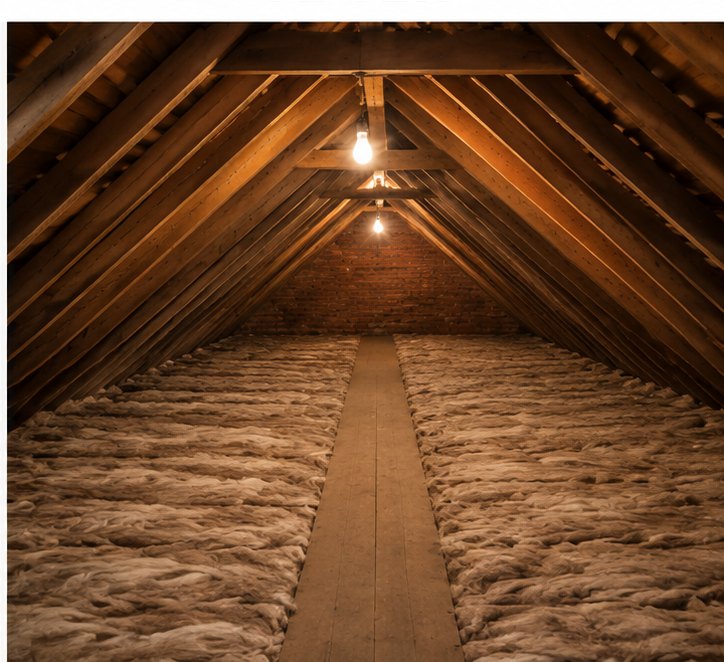
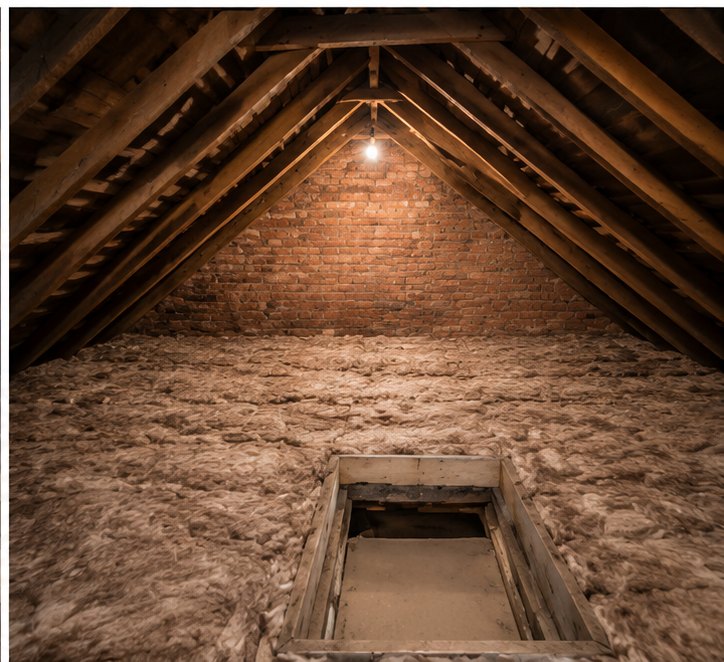
The terraces of Walthamstow, Leyton and Leytonstone — the Warner half-houses among them — typically have compact lofts with steep, awkward access and original insulation that has settled and compressed over the decades, sometimes part-boarded in a way that squashes the wool. Where these homes have been divided into flats or maisonettes, the roof space is often shared, so ownership and access need establishing first. Chingford's interwar semis carry thin original insulation well suited to a top-up, and many have storage boards laid straight onto the joists.
Local considerations
The older roofs of Walthamstow and Leyton were never built around modern ventilation, so filling the eaves risks condensation — we keep them clear and consider airflow alongside depth. Part-converted and part-used lofts are very common across the borough's terraces and conversions, so we check whether the work is at loft-floor joist level or a room-in-roof needing rafter-level treatment. Boarded-over hatches frequently conceal compressed, underperforming material.
Ventilation and moisture
Condensation shows up regularly in poorly ventilated Waltham Forest lofts, especially in converted terraces and flats where an extractor has been vented into the roof space. We identify the cause first rather than assuming insulation will solve it.
What affects cost in Waltham Forest
In Waltham Forest, tight terraced-street access and parking, the condition and depth of existing insulation, whether a loft sits in a converted or shared property, and any removal, boarding or ventilation work are the main cost factors.