Homes in Watford
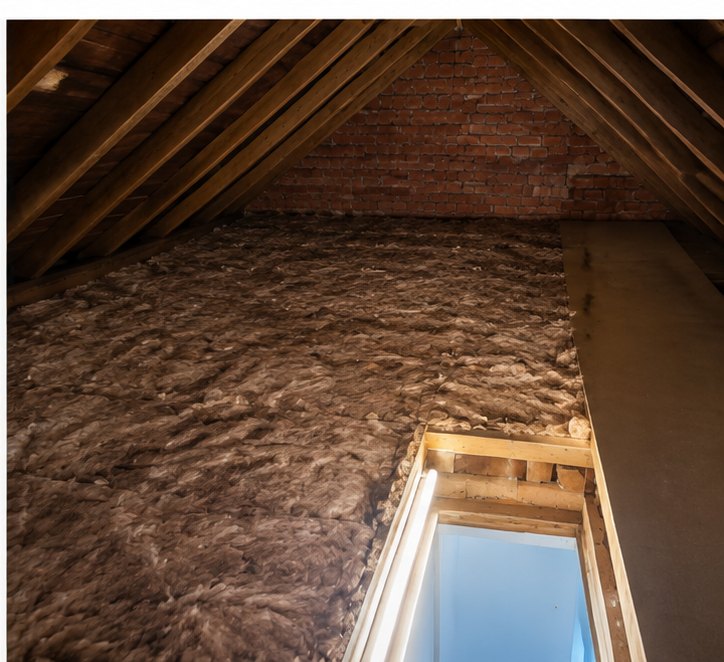
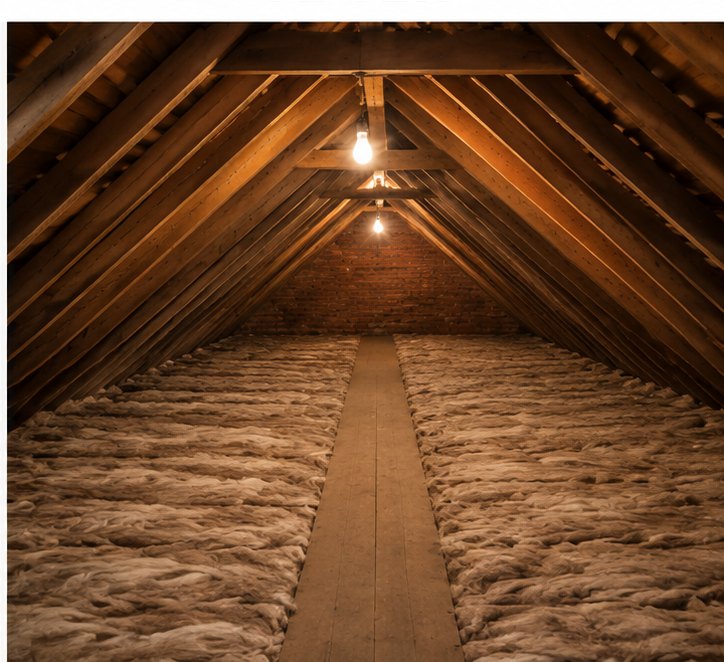
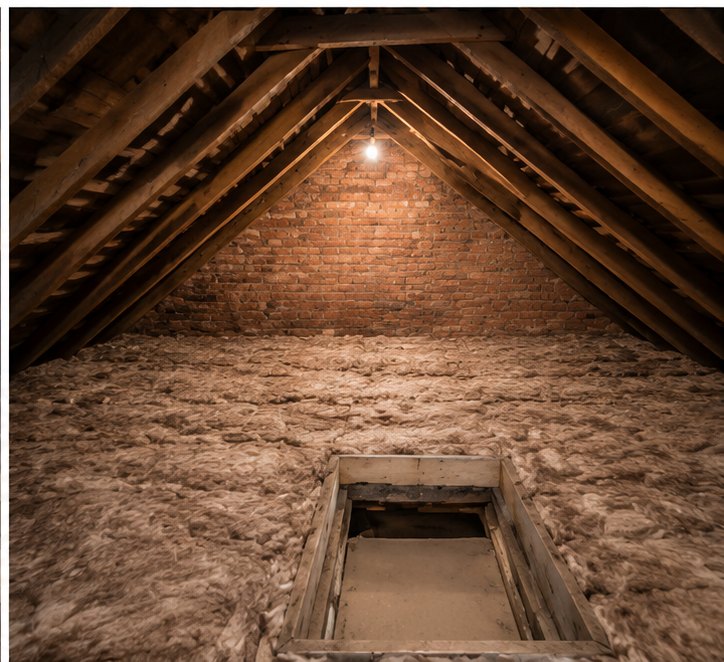
The terraces of Callowland and North Watford often have compact, steeply pitched lofts with awkward access and thin original insulation that has settled over the decades. Watford's abundant 1930s semis across Cassiobury, Nascot and Oxhey are the mainstay of the town, and most suit a straightforward top-up over sound existing wool, frequently with storage boards laid straight onto the joists. The post-war and modern estates toward Leavesden and Garston generally have accessible trussed lofts that already meet a reasonable standard, where even coverage, ventilation or raised boarding often matters more than extra depth.
Local considerations
With so many interwar semis, the common questions in Watford are whether the original wool has thinned or settled, whether storage boards are compressing it, and whether ventilation keeps pace with a roof that has since been re-covered or had rooms added. In older terraces we keep the eaves clear rather than packing them, because a period roof needs to breathe. Where a bathroom or kitchen extractor has been run into the loft rather than outside, we resolve that before adding insulation over the top.
Ventilation and moisture
A dense mix of period terraces and interwar semis means condensation and damp complaints turn up in poorly ventilated Watford lofts. Insulation alone will not fix every moisture problem, so we check the cause — airflow, a roof leak or an extractor venting into the loft — before recommending work.
What affects cost in Watford
In Watford, cost is driven mainly by loft access on older terraced streets, whether old insulation needs removing, and any boarding or ventilation work. Parking and access on busier inner roads can also add to a job.