Homes in York
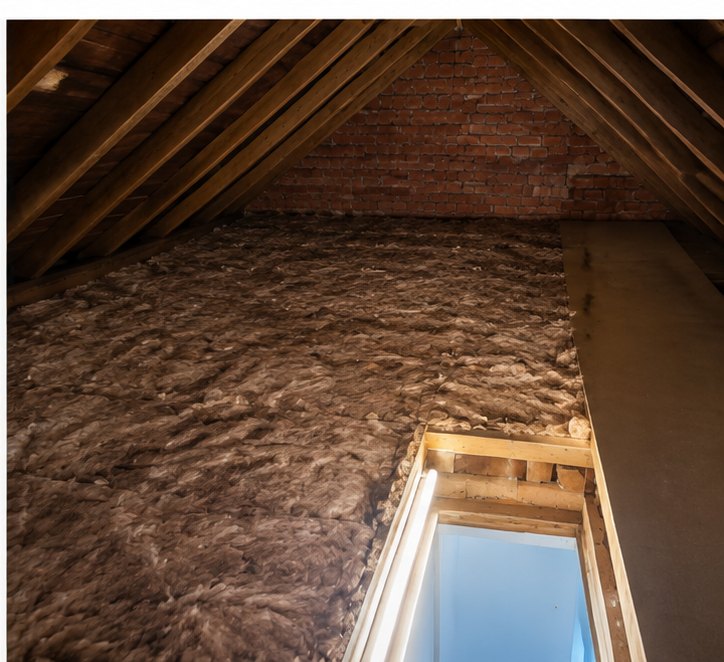
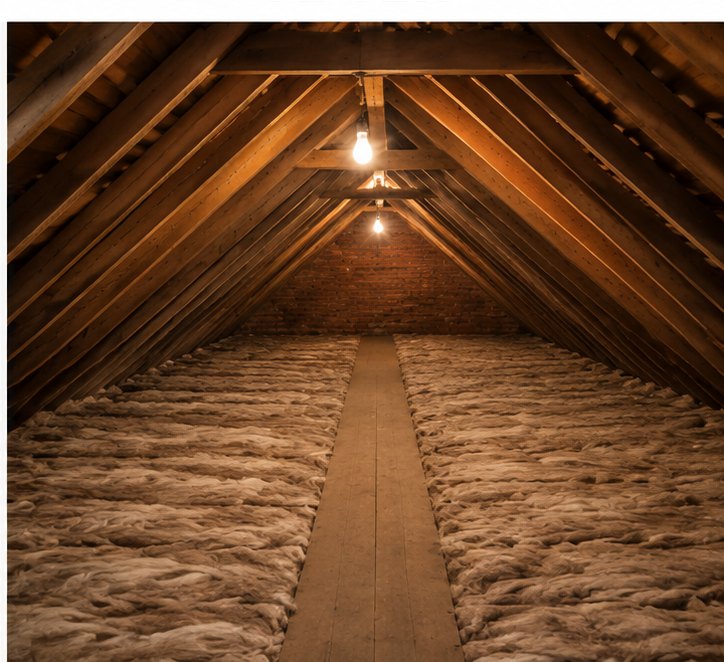
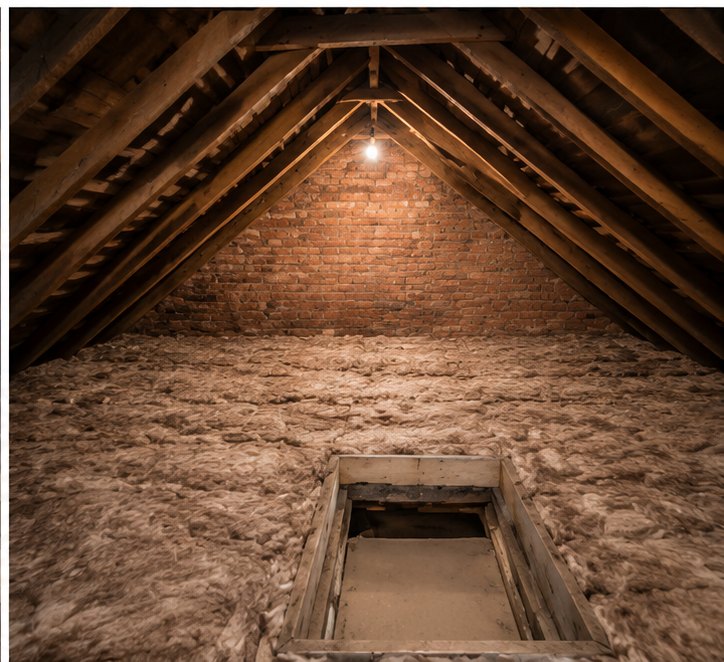
The Victorian terraces of Holgate, South Bank and The Groves often have compact lofts, awkward access and insulation laid decades ago and since compressed. Within the walls and across the conservation areas, older and listed buildings frequently have traditional roof construction where breathability matters and any work needs care. Interwar and post-war semis across Acomb, Fulford and Heworth typically carry thin original wool that suits a top-up, often with storage boards laid straight onto the joists. Newer homes toward the ring road usually have some insulation already.
Local considerations
In York's conservation areas and older stock, breathability is the key consideration: traditional roofs are designed to let moisture pass, and the wrong materials or blocked eaves can trap it. We keep the eaves clear, treat ventilation and insulation as one question, and favour breathable methods where the construction calls for them. On listed or traditional buildings we assess how the roof breathes before recommending any build-up.
Ventilation and moisture
Traditional and low-lying York roofs can be prone to condensation and damp where ventilation is poor. Insulation alone will not cure a moisture problem, so we identify the actual cause — airflow, a roof leak or an extractor venting into the loft — before recommending work, and favour breathable methods on older buildings.
What affects cost in York
In York, cost is driven mainly by loft access on the terraced streets, the care needed on older or listed buildings, whether old insulation needs removing, and any boarding or ventilation work. Conservation-area properties can call for a more considered, breathable approach.