Homes in Bexley
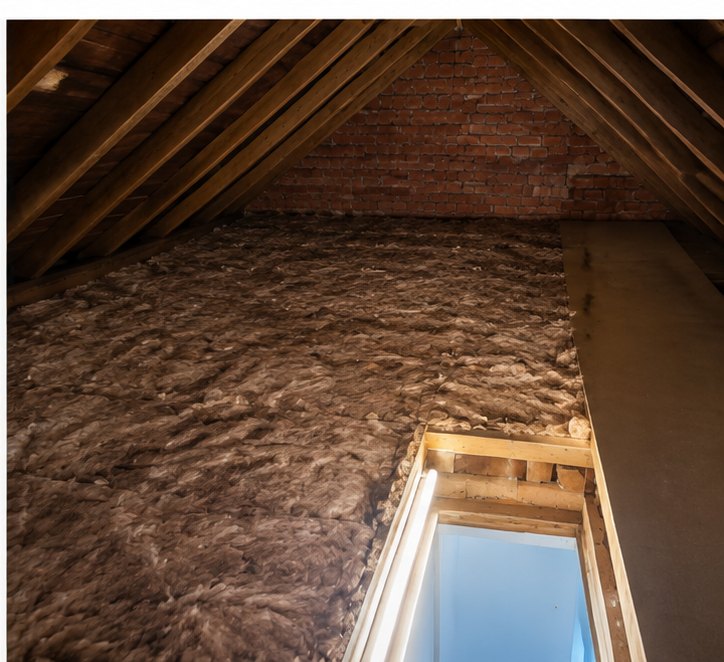
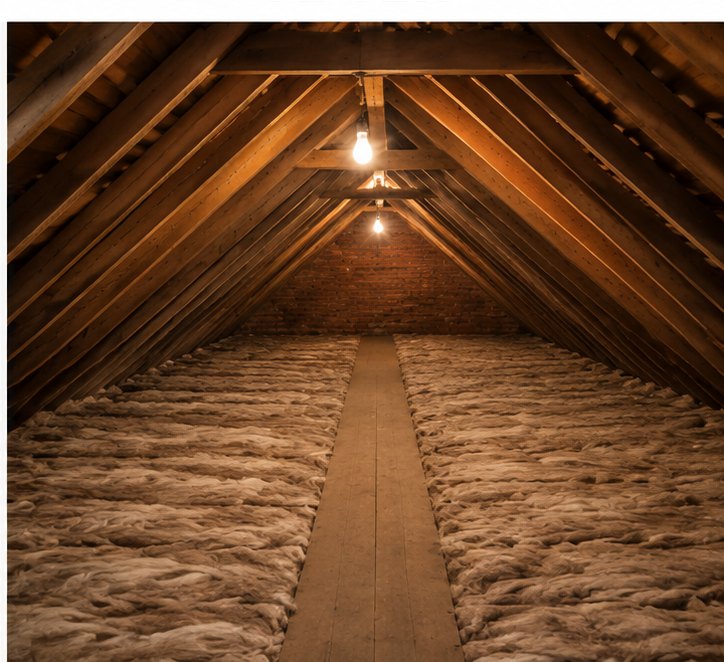
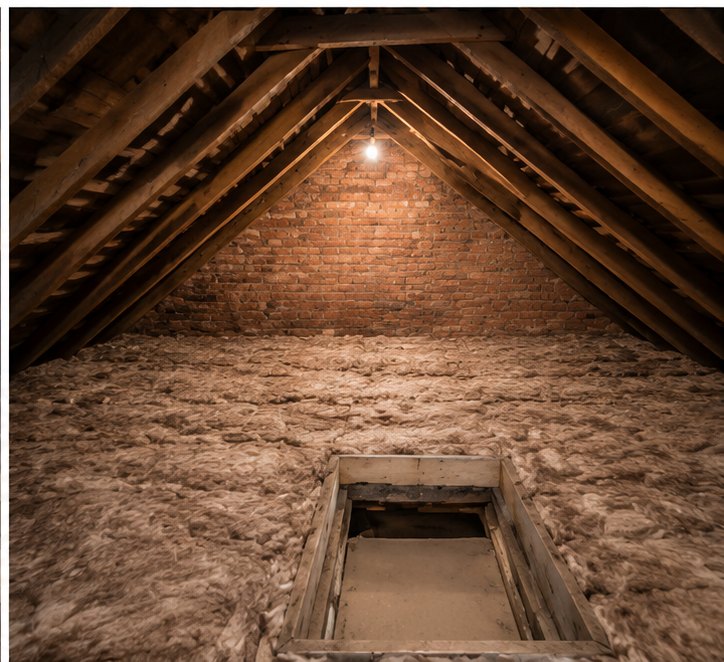
Bexley's interwar semis, spread across Bexleyheath, Barnehurst and Welling, typically carry thin original insulation that has settled well below current recommendations — a straightforward candidate for a top-up over sound material — and many have boards laid directly on the joists for storage. The pockets of Victorian and Edwardian housing around Old Bexley and Crayford have more compact lofts with steeper access. Suburban bungalows have large roof areas relative to their footprint, where insulation makes a real difference but the low, wide void can be awkward to move around in.
Local considerations
The shallow-pitched roofs of Bexley's interwar semis leave limited room at the eaves, so we take care not to block airflow when building up the insulation. Part-converted lofts — a storage room or study added over the years — are common, so we determine whether the work is at loft-floor joist level or a room-in-roof requiring a rafter-level approach. Boarded-over hatches and storage decking frequently hide compressed, underperforming wool.
Ventilation and moisture
Condensation appears in poorly ventilated Bexley lofts, particularly where an extractor has been run into the roof space instead of ducted outside. We establish the cause before assuming insulation alone will cure it.
What affects cost in Bexley
Across Bexley, the roof area of larger semis and bungalows, the depth and state of existing insulation, access and parking, and any removal, boarding or ventilation work influence the quotation more than the specific street.