Homes in South London
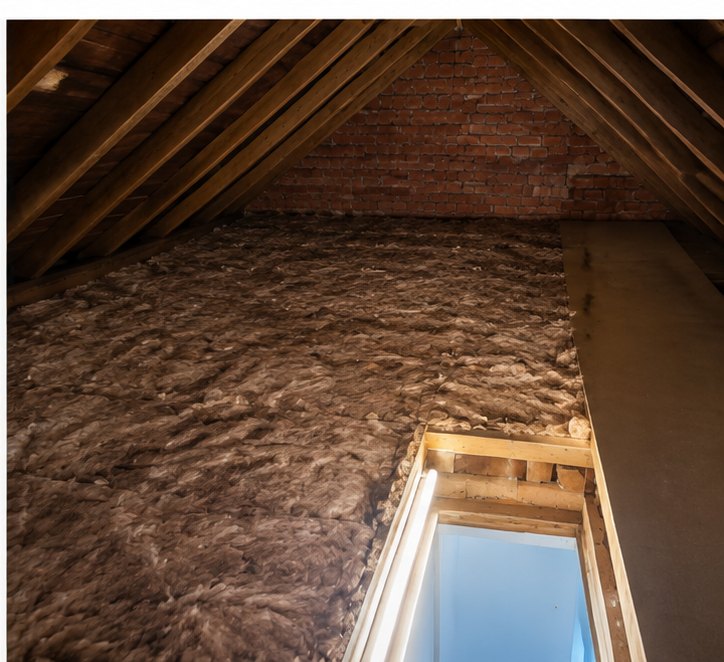
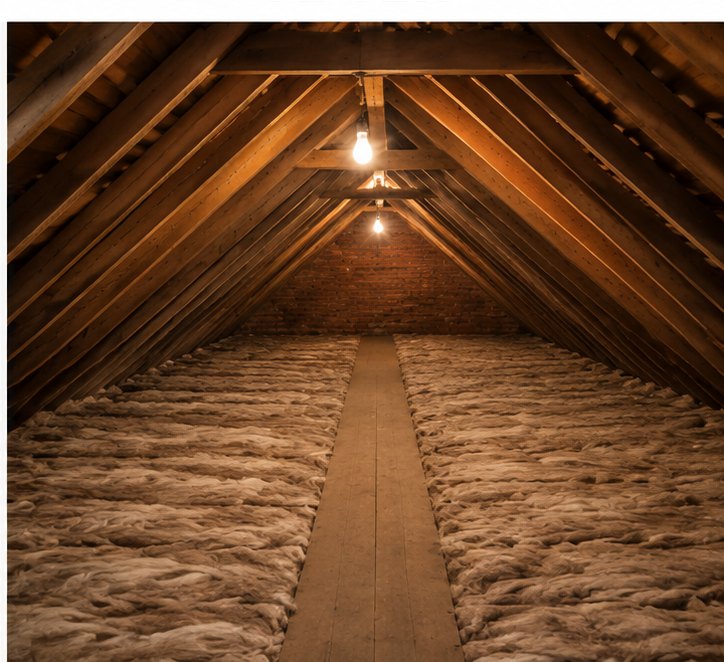
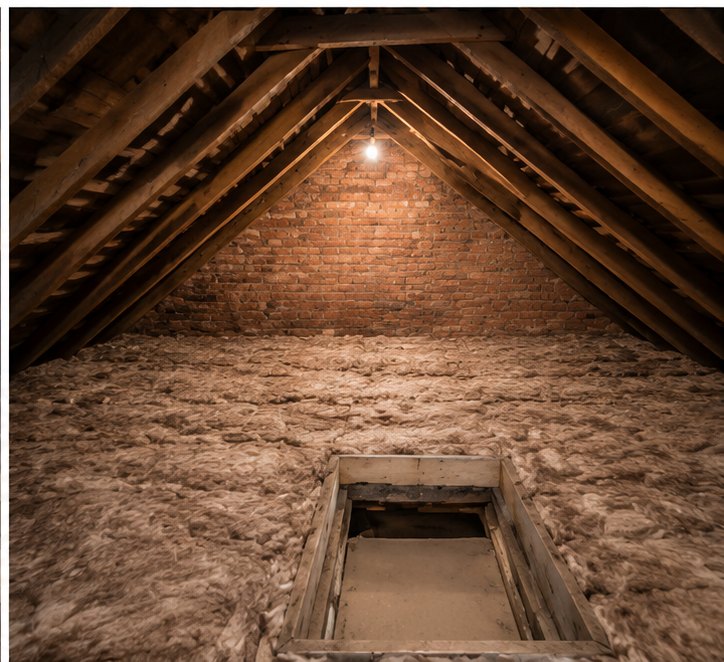
The period terraces around Clapham, Brixton, Peckham and Tooting frequently have compact lofts with steep, awkward access and original insulation that has settled over decades, and many have been part-boarded in a way that compresses the wool. The interwar semis of Dulwich, Streatham and Wimbledon typically carry thin original material well suited to a top-up, often with boards laid straight onto the joists. Post-war and ex-local-authority housing toward the southern edge varies widely and is best judged house by house. Conversions and flats raise the question of who is responsible for the roof space, which we help you think through before any work.
Local considerations
South London's older terraces were not built around modern ventilation detailing, so blocking the eaves with insulation can cause condensation. We keep the eaves clear and consider airflow alongside insulation. In converted or part-converted lofts — common across the inner suburbs — we check whether the job is a loft floor to insulate at joist level or a room-in-roof needing a different, rafter-level approach.
Ventilation and moisture
Condensation is a frequent complaint in poorly ventilated south-London lofts, particularly in flats and older terraces where an extractor has been run into the roof space. We identify the cause before recommending work rather than assuming insulation alone will resolve it.
What affects cost in South London
Across south London, access on terraced streets, parking, the state of any existing insulation and removal of old or contaminated material drive cost more than location alone. Any boarding or ventilation work also affects the quotation.