Homes in Sutton
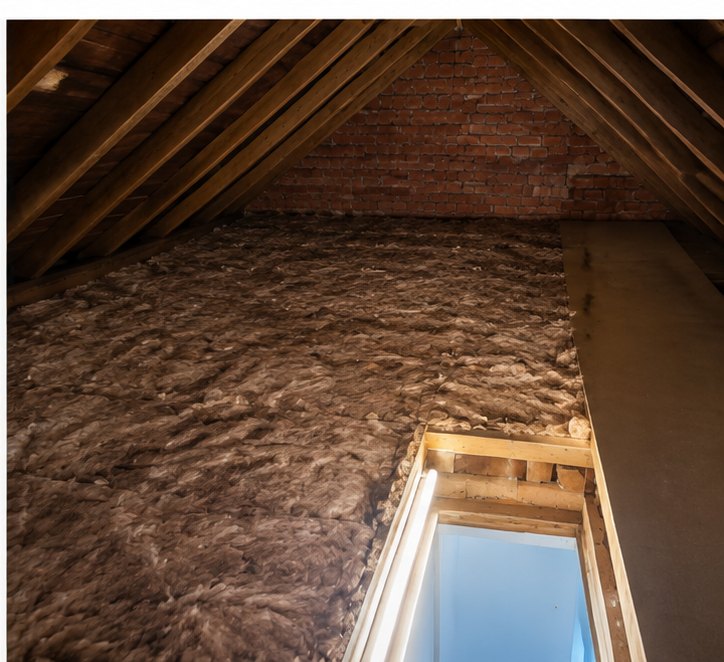
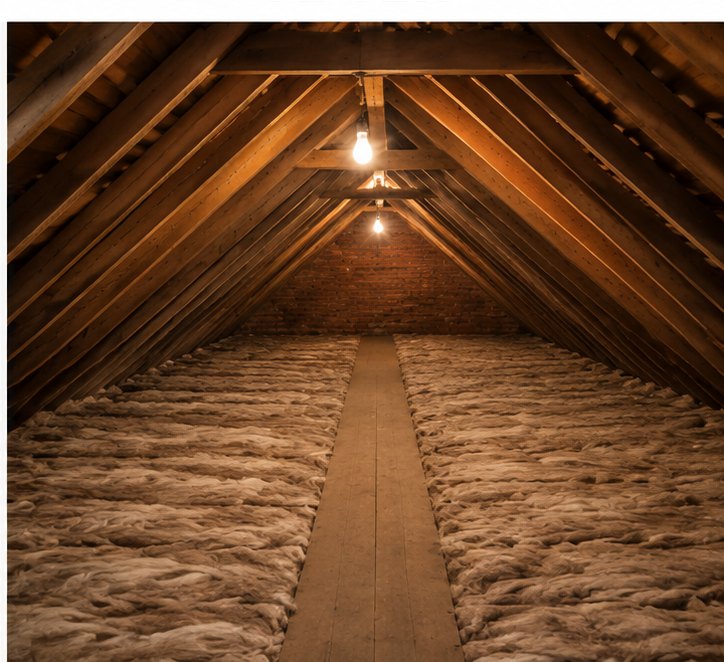
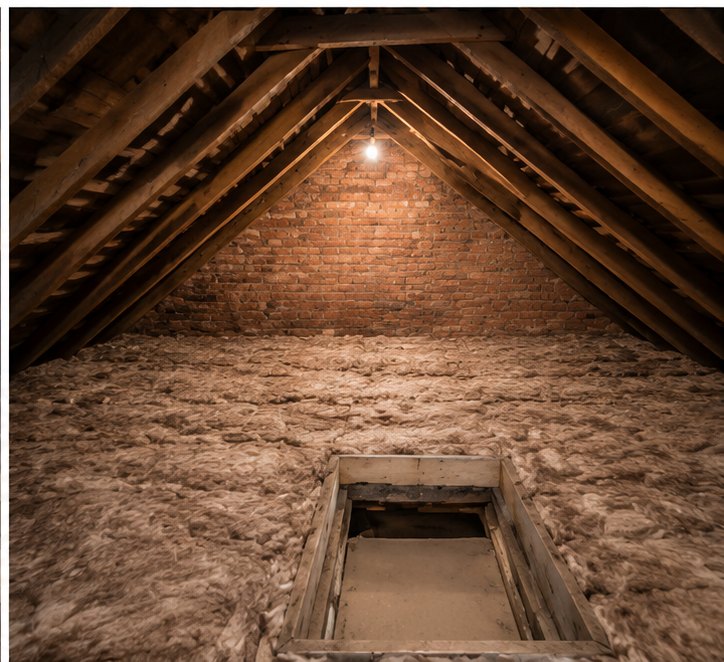
The large stock of 1930s semis and mock-Tudor detached houses across Cheam, Belmont and Sutton typically carries thin original wool that has settled well below today's depths — prime candidates for a top-up over sound material, and many have boards laid straight onto the joists for storage. The older terraces near the town centre and Carshalton often have compact lofts with steeper, more awkward access. Bungalows on the leafier roads have large roof areas where insulation makes a real difference but can be awkward to work in. Newer apartments raise questions about who is responsible for the roof space.
Local considerations
Even Sutton's spacious interwar roofs were not built around modern ventilation, so blocking the eaves with insulation can cause condensation. We keep the eaves clear and consider airflow alongside insulation. In part-converted lofts — very common where families have added storage or hobby rooms — we check whether the job is a loft floor to insulate at joist level or a room-in-roof needing rafter-level work. Bungalow roofs reward careful attention to airflow.
Ventilation and moisture
Condensation shows up in poorly ventilated Sutton lofts, particularly where an extractor fan has been run into the roof space or storage boards have trapped moist air. We find the cause first rather than assuming insulation will cure it.
What affects cost in Sutton
In Sutton, the roof area of larger semis, detached houses and bungalows, the state of any existing insulation, removal of old material, and any boarding or ventilation work drive cost more than location alone.