Homes in Bristol
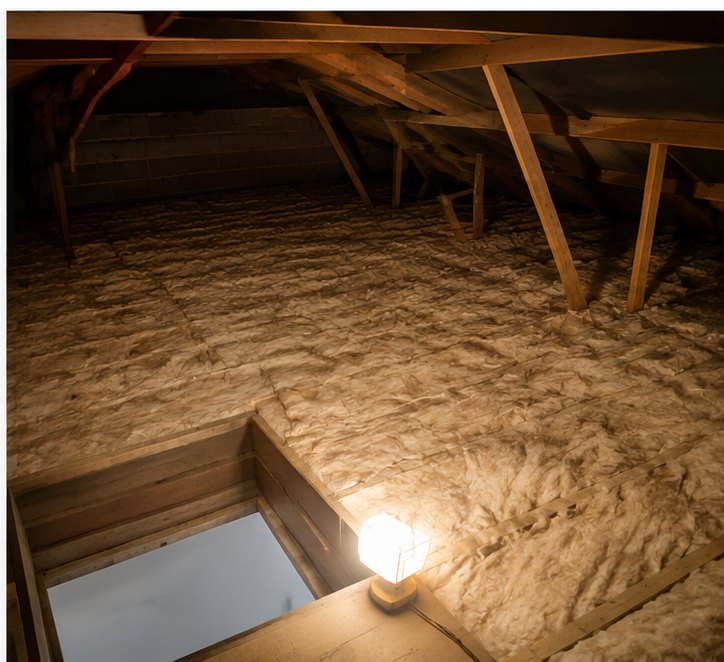
The terraced streets of Bedminster, Easton and Totterdown often have compact, steeply pitched lofts with limited headroom, tricky access, and insulation laid years ago that has since settled. Clifton and Redland's Georgian and Victorian townhouses bring tall roofs, valley gutters and sometimes original slate, where careful assessment matters. The interwar semis of Horfield, Bishopston and Filton usually carry thin original wool that suits a top-up, often with boards laid straight onto the joists for storage. Harbourside flats raise their own questions about who is responsible for the roof space.
Local considerations
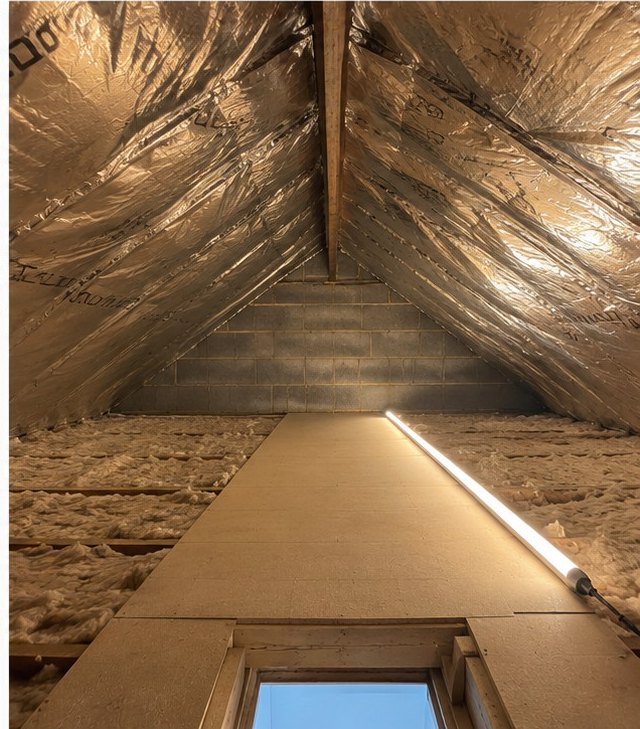
Bristol's damp, temperate climate makes ventilation worth close attention. Packing insulation hard into the eaves of an older terrace can block what little airflow the roof has and encourage condensation, so we keep the eaves clear and treat ventilation and insulation together. Where original bituminous felt or slate underlay is present, we assess how the roof breathes before recommending a build-up, and on the taller Clifton roofs we look at valley gutters and access before quoting.
Ventilation and moisture
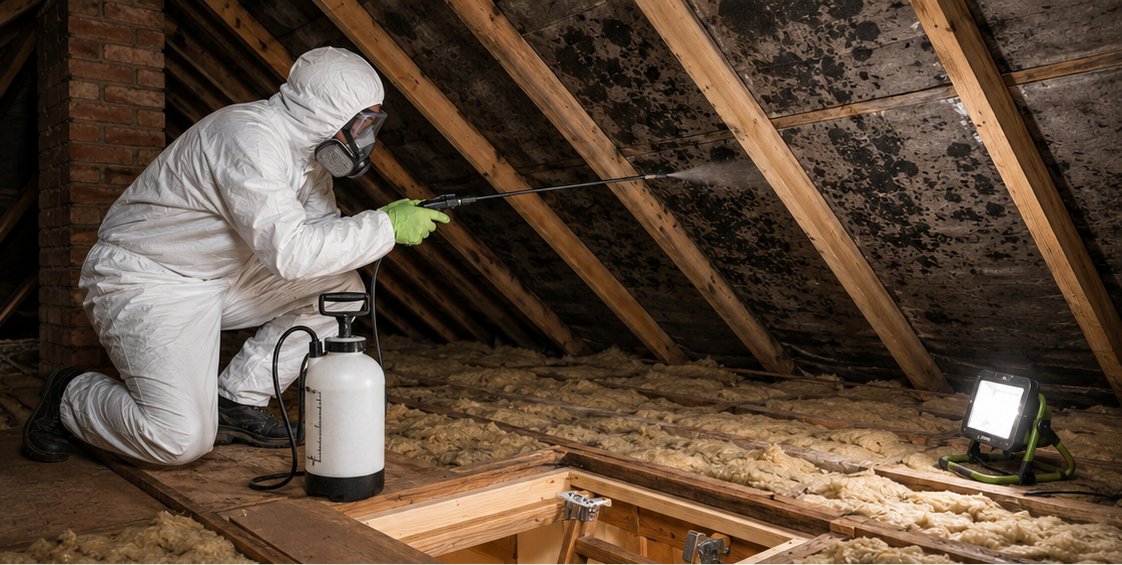
Bristol's mild, wet weather means condensation and damp complaints are common in poorly ventilated lofts. Insulation alone will not cure a moisture problem, so we look for the real cause — airflow, a roof leak or an extractor venting into the loft — before recommending work.
What affects cost in Bristol
In Bristol, cost is driven mainly by loft access on terraced streets, whether old insulation needs removing, the height and shape of the roof, and any boarding or ventilation work. Parking and access on narrow inner-city roads can also be a factor.