Homes in Canterbury
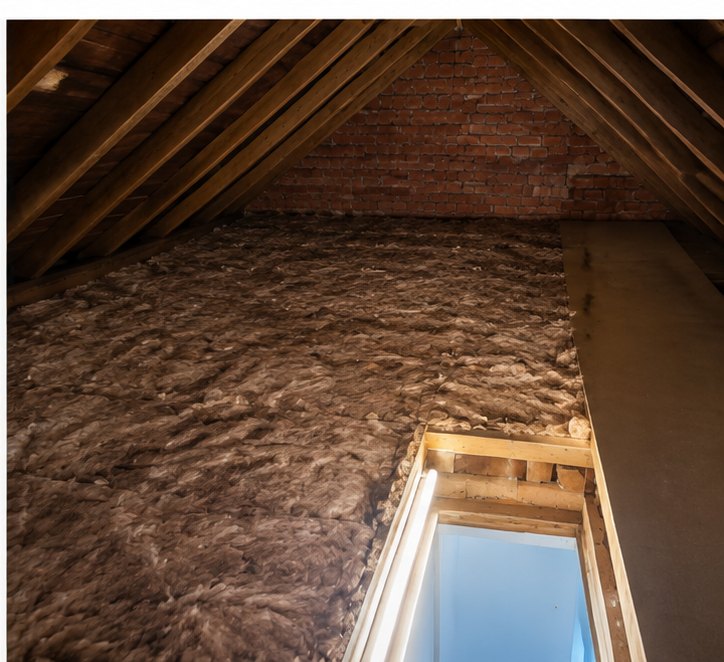
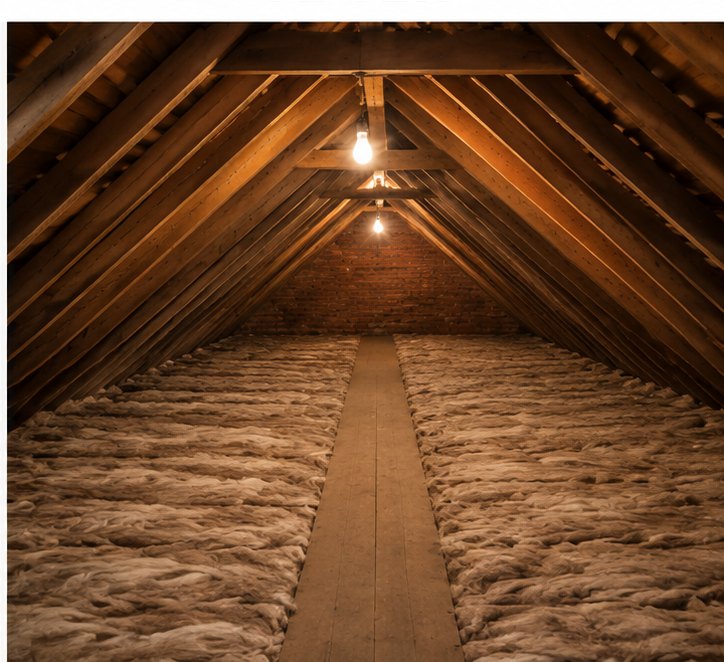
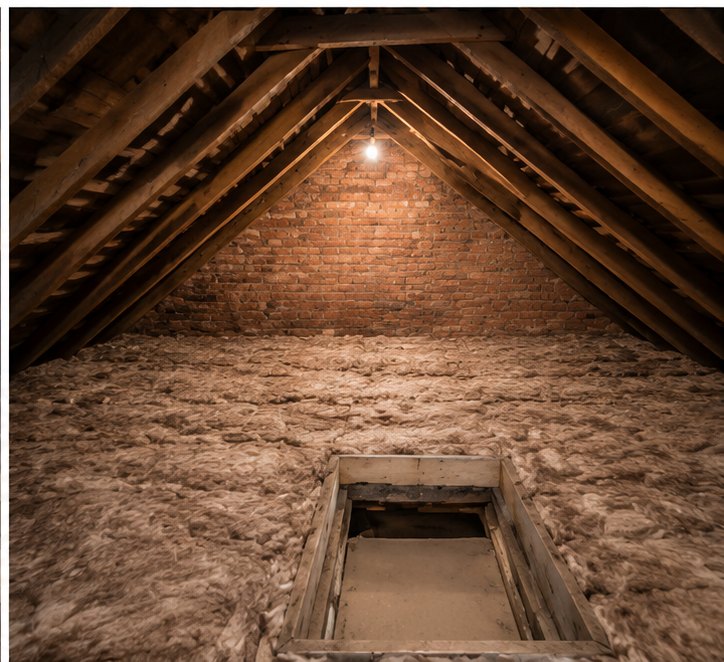
Inside the walls, roofs are often steep, irregular and hard to reach, sometimes over listed or conservation-area properties where materials and methods must be chosen carefully. The Victorian terraces of Wincheap and St Dunstan's tend to have compact lofts with settled or thin original insulation, while the interwar and post-war semis around St Stephen's and Hales Place usually carry older wool that suits a top-up, frequently with boards laid straight onto the joists. Newer estates on the city's edge generally have some insulation already, shifting the question toward boarding or ventilation.
Local considerations
Canterbury's conservation areas and listed buildings mean loft work is not simply about depth. Older roofs need to breathe, so on period and traditional stock we keep the eaves clear and favour breathable materials rather than sealing a roof tight. Where original slate or plain-tile coverings and ageing felt are present, we assess how the roof handles moisture before recommending a build-up, and we take extra care around historic timbers and fragile ceilings.
Ventilation and moisture
In older Canterbury roofs, blocked airflow rather than a leak is often behind condensation and staining. Insulation alone will not resolve a moisture problem, so we look for the real cause — poor ventilation, a slipped tile or an extractor venting into the loft — before recommending work.
What affects cost in Canterbury
In Canterbury, cost is shaped mainly by access on tight city-centre roofs, the extra care needed on listed or conservation-area properties, whether old insulation must be removed, and any boarding or ventilation work.