Homes in Chester
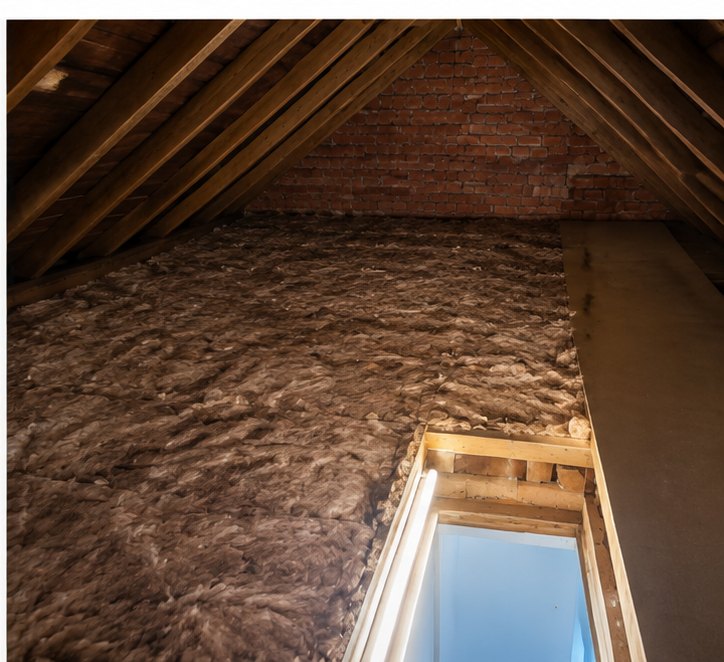
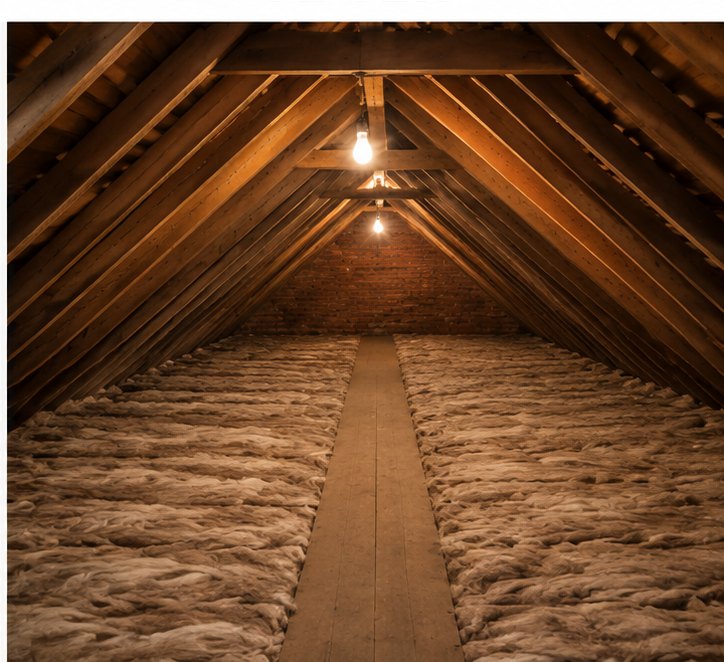
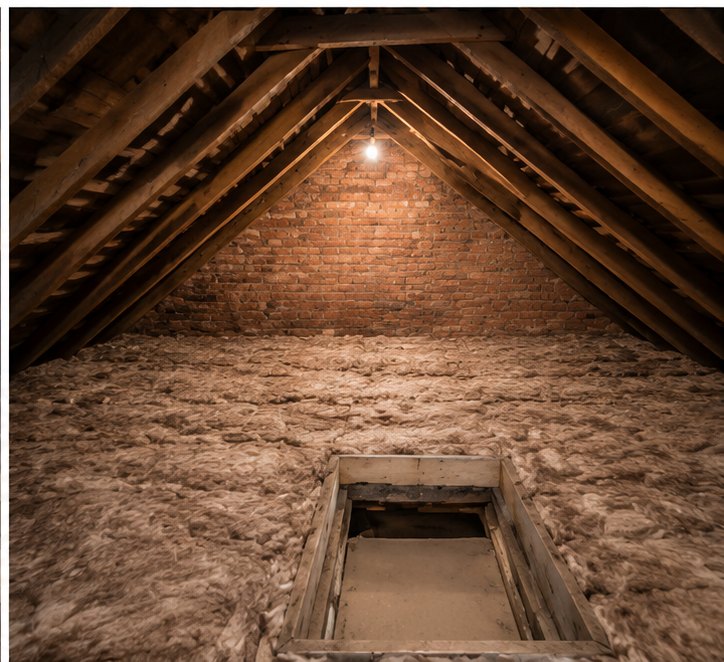
Chester's period townhouses frequently have tall, complex roof spaces with solid construction and materials that were meant to breathe, so heaping in the wrong build-up can trap moisture in the timbers. Conservation and listed status can also limit what changes are appropriate, and any external work may need consent. The city's interwar and post-war semis in Blacon, Lache and Vicars Cross are more straightforward, typically carrying thin original wool suited to a top-up, often with storage boards laid straight over the joists. Newer estate homes usually have some insulation already.
Local considerations
Cheshire's mild, damp climate makes ventilation and breathability central to loft work in Chester, particularly in older and listed stock. Sealing a traditional roof too tightly or forcing insulation into the eaves can stop it clearing moisture and lead to condensation or decay, so we keep the eaves clear and consider vapour-open, breathable approaches where the building calls for it. On protected buildings we are careful to recommend only work that suits the structure.
Ventilation and moisture
Chester's damp climate and its stock of older, breathable buildings mean condensation and trapped moisture are real risks in poorly ventilated lofts. Insulation alone will not cure a moisture problem, so we identify the cause — airflow, a leak, an unsuitable build-up or an extractor venting into the loft — before recommending work.
What affects cost in Chester
In Chester, cost is driven mainly by the complexity of period roof spaces, whether a breathable specification is needed, whether old insulation must be removed, and any boarding or ventilation work. Conservation or listed-building constraints can also affect what is possible.