Homes in Runcorn
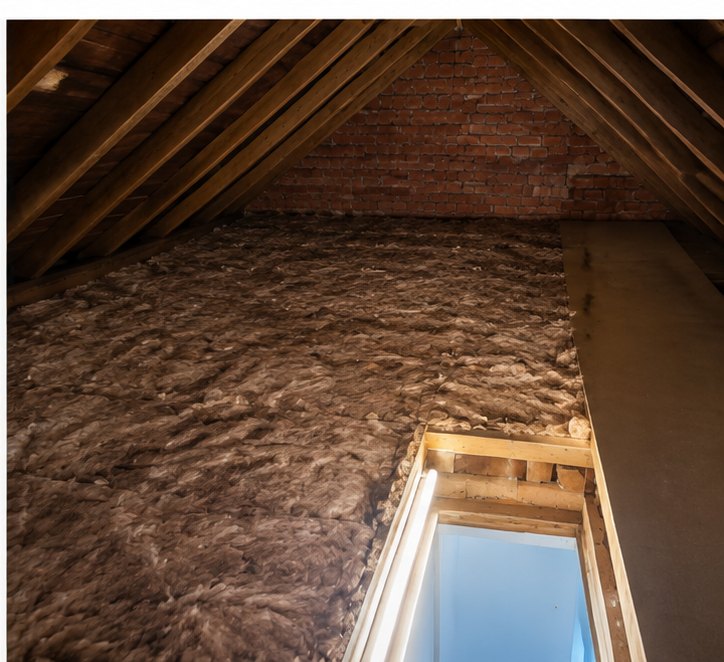
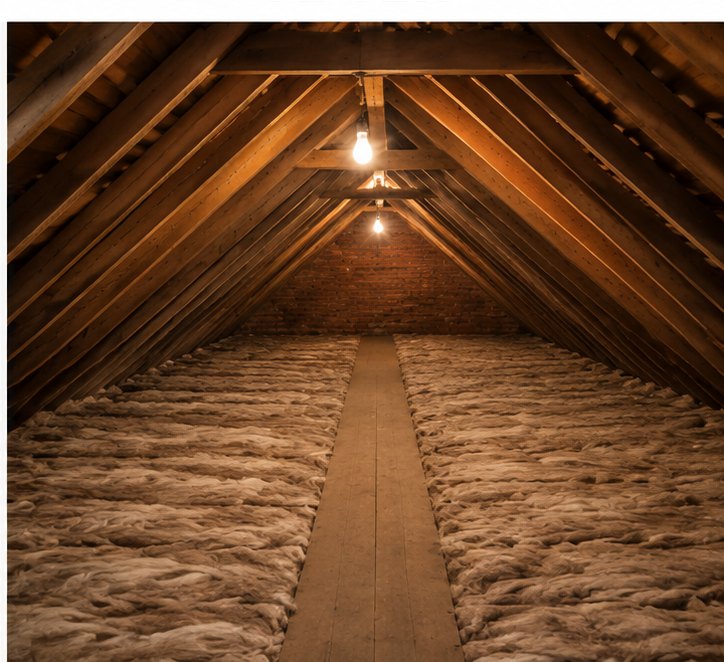
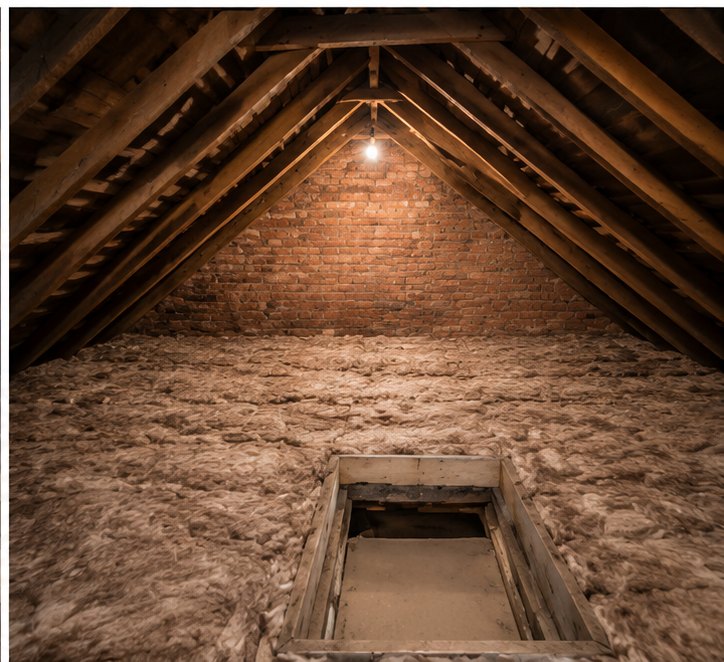
The old-town terraces often have compact lofts with limited headroom, awkward hatch access above a stairwell and insulation laid decades ago that has since compressed. The New Town estates from the 1960s and 70s are a different proposition: many carry thin original insulation that has done its time and suits a top-up, and some were built with roof and ventilation details that are worth checking, as poor airflow can leave these lofts prone to condensation. Newer developments around the town's edge usually have more insulation already in place.
Local considerations
The mild but damp Mersey-side climate, together with the industrial estuary setting, makes ventilation and moisture worth close attention in Runcorn lofts. Forcing insulation hard into the eaves of an older terrace or a New Town house can block airflow and encourage condensation, so we keep the eaves clear and treat ventilation and insulation together. Where original felt or dated roof details are present, we check how the roof breathes before recommending a deeper build-up.
Ventilation and moisture
Damp estuary weather makes condensation and staining common in poorly ventilated Runcorn lofts, particularly in some of the New Town stock. Insulation alone will not cure a moisture problem, so we identify the cause — airflow, a leak or an extractor venting into the loft — before recommending work.
What affects cost in Runcorn
In Runcorn, cost is driven mainly by loft access and the type of property, from an old-town terrace to a New Town estate house, whether old insulation needs removing, and any boarding or ventilation work. Access on the terraced streets can also be a factor.