Homes in Eastbourne
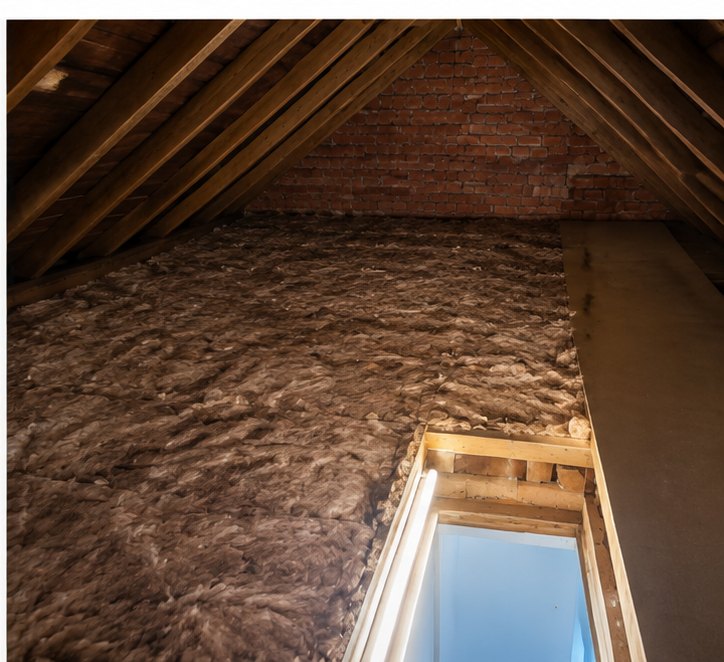
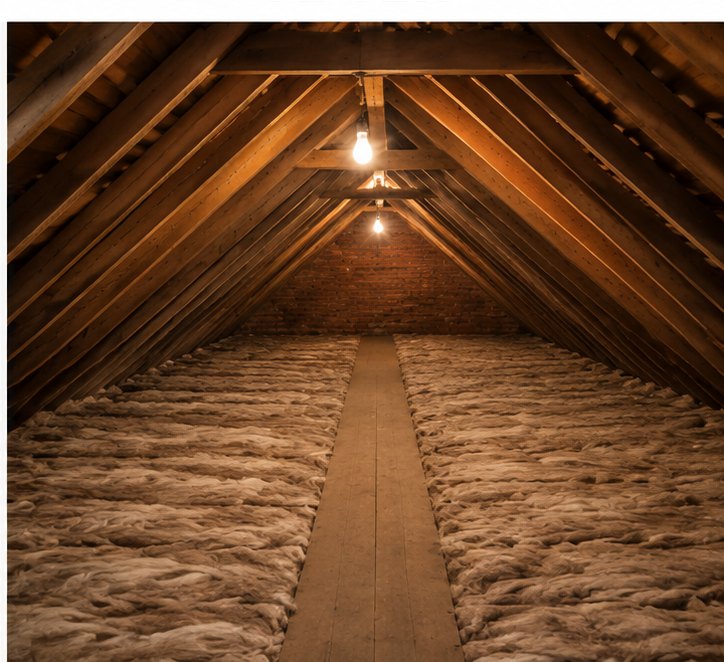
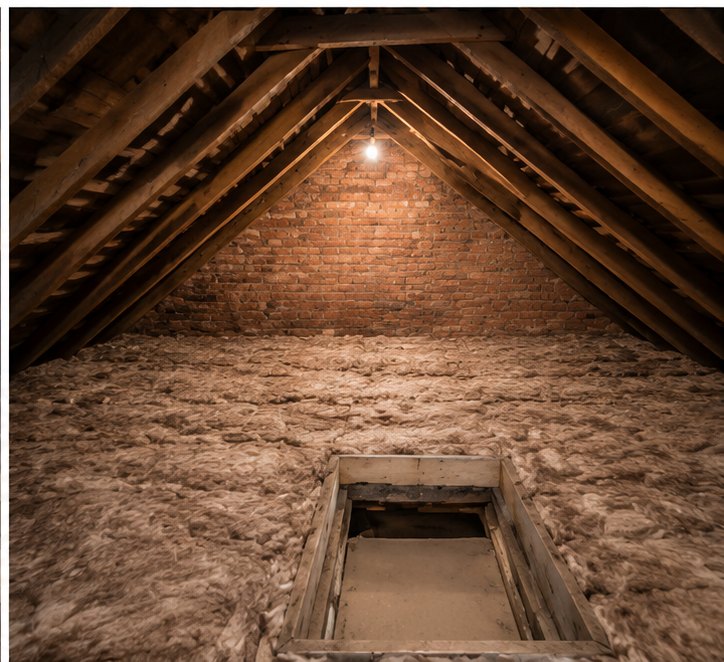
The seafront terraces and villas of Meads and the centre often have tall, compact lofts with steep, awkward access and original insulation that has settled over many decades, and some larger houses are now split into flats. Hampden Park and Willingdon carry interwar and post-war semis where a top-up over sound existing wool is usually the sensible route, frequently with storage boards laid straight onto the joists. Eastbourne's many retirement bungalows have large roof areas for their floor space, which makes loft insulation especially worthwhile, though shallow pitches and low eaves can leave working room tight and airflow easy to block.
Local considerations
Eastbourne's open Channel-coast position brings salt-laden, humid air, so ventilation deserves as much attention as insulation. In older seafront terraces and villas we keep the eaves clear rather than packing them, because a period roof needs to breathe. In the town's many bungalows the eaves are often shallow and easily obstructed, so we take care to preserve airflow across the whole roof. Where larger period houses near the front have been converted into flats, we establish who owns and can reach the loft before recommending work.
Ventilation and moisture
The exposed seaside setting means condensation and damp complaints are common in poorly ventilated Eastbourne lofts, particularly in bungalows and older terraces. Insulation alone will not cure a moisture problem, so we check the cause — airflow, wind-driven rain, a leak or an extractor venting into the roof — before recommending work.
What affects cost in Eastbourne
In Eastbourne, cost is driven mainly by the type of property — a shallow bungalow roof, a tall seafront terrace or a straightforward semi — whether old insulation needs removing, and any boarding or ventilation work. Access and parking near the seafront can also add to a job.