Homes in Hastings
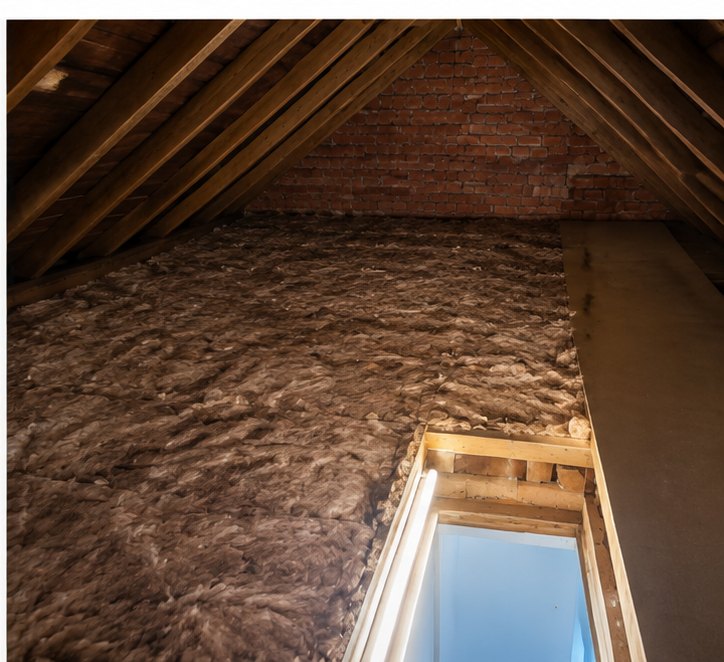
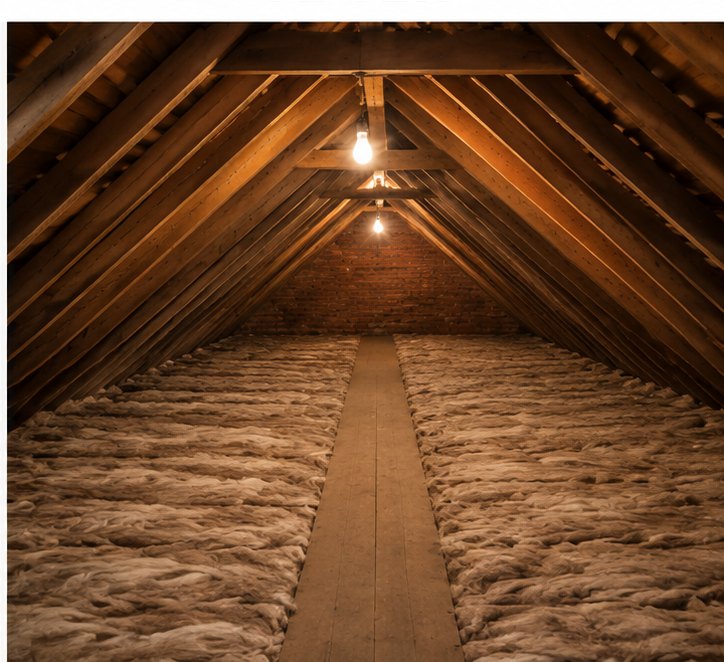
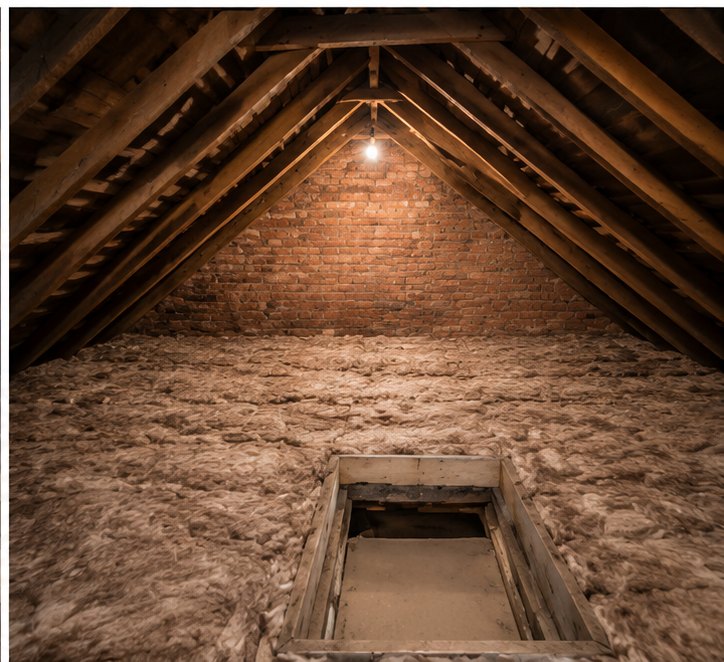
The Old Town cottages and the Victorian hillside terraces of Ore, Silverhill and Bohemia often have compact, steeply pitched lofts with awkward, tight access and original insulation that has settled over many decades. Many of the larger period houses in Hastings and St Leonards have been converted into flats, where the loft sits above a top-floor flat and access and responsibility need sorting out first. Some of the older seafront and St Leonards stock is listed or in a conservation area, needing breathable materials and a light touch. Interwar and post-war semis toward Hollington offer more conventional, straightforward top-up work.
Local considerations
Hastings's steep, exposed Channel-coast position brings salt-laden, humid air and driving coastal wind, so ventilation deserves as much attention as insulation. In older terraces and Old Town cottages we keep the eaves clear rather than packing them, because a period roof needs to breathe. In converted houses and flats we establish who owns and can reach the loft before any work, and in listed or conservation-area property we favour breathable materials and check whether any consents apply.
Ventilation and moisture
The exposed coastal setting and dense, often converted housing mean condensation and damp are common in poorly ventilated Hastings lofts. Insulation alone will not cure a moisture problem, so we check the cause — airflow, wind-driven rain, a leak or an extractor venting into the roof — before recommending work.
What affects cost in Hastings
In Hastings, cost is driven mainly by loft access on steep terraced streets, whether the property is a conversion, whether it is listed or in a conservation area, whether old insulation needs removing, and any boarding or ventilation work. Hilly parking and access can add to a job.