Homes in Gillingham
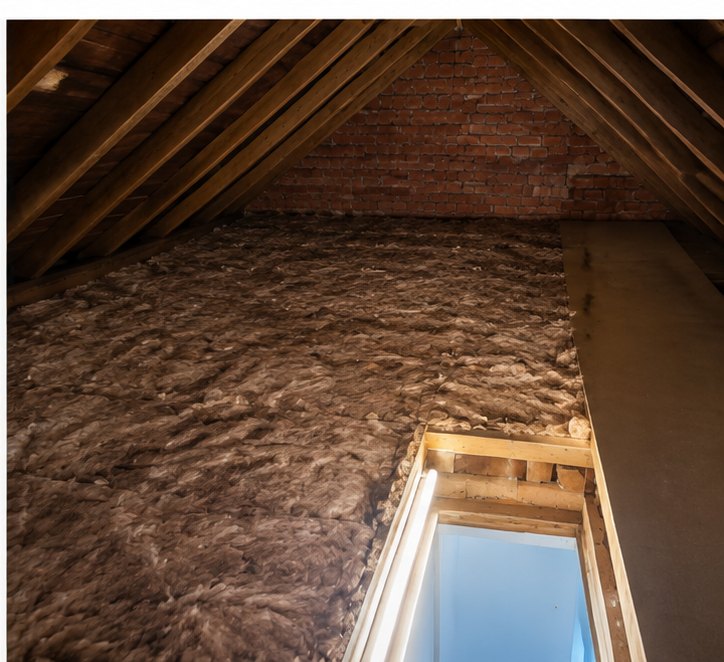
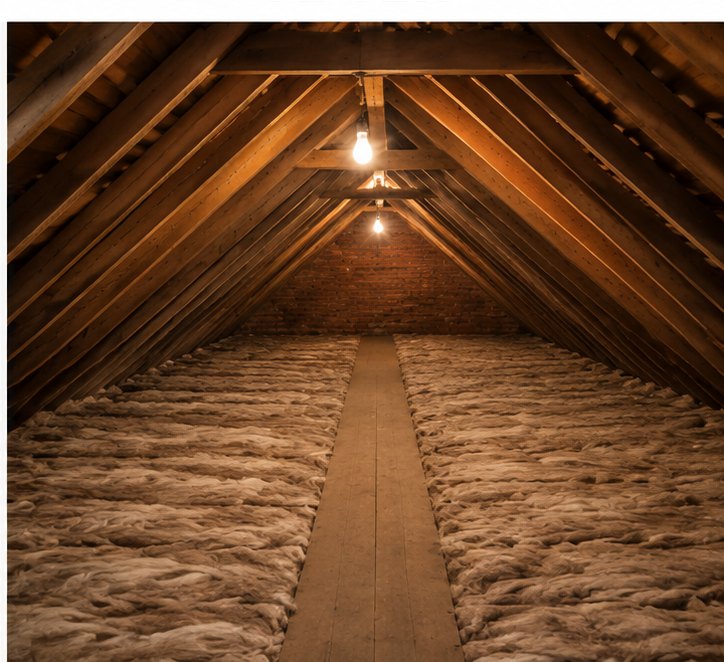
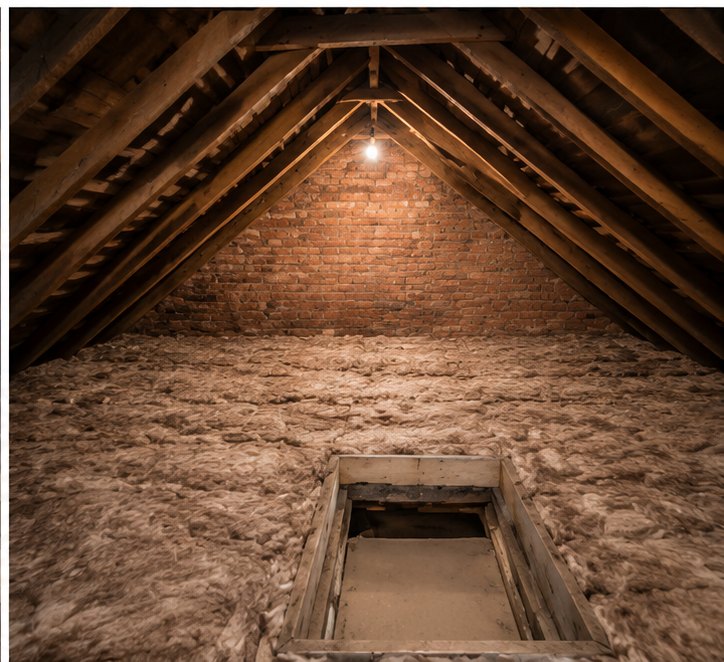
The dockyard-era terraces that dominate central Gillingham typically have compact, steeply pitched lofts with limited headroom, awkward access over a stairwell and thin or ageing insulation, sometimes laid decades ago and since compressed. In these tight roofs the party wall and the eaves are close at hand, so careful working and clear airflow both matter. The interwar semis around Wigmore and Hempstead usually suit a straightforward top-up over sound existing wool, often with storage boards laid directly on the joists, while the post-war estates toward Twydall and Rainham tend to have more accessible trussed lofts.
Local considerations
In Gillingham's dense terraces, packing insulation hard into the eaves can block what little airflow the roof has and encourage condensation, so we keep the eaves clear and treat ventilation and insulation as one question. Party walls and shared roof spaces mean it is worth knowing where your loft ends and the neighbour's begins before work starts. In older terraces we also check how the roof breathes — including any original bituminous felt beneath the tiles — before recommending a build-up.
Ventilation and moisture
The dense, older housing and the riverside Medway setting mean condensation and damp complaints are common in poorly ventilated Gillingham lofts. Insulation alone will not cure a moisture problem, so we check the cause — airflow, a leak or an extractor venting into the loft — before recommending work.
What affects cost in Gillingham
In Gillingham, cost is driven mainly by loft access on tight terraced streets, whether old insulation needs removing, and any boarding or ventilation work. Parking and access on narrow terraced roads can also add to a job.