Homes in Guildford
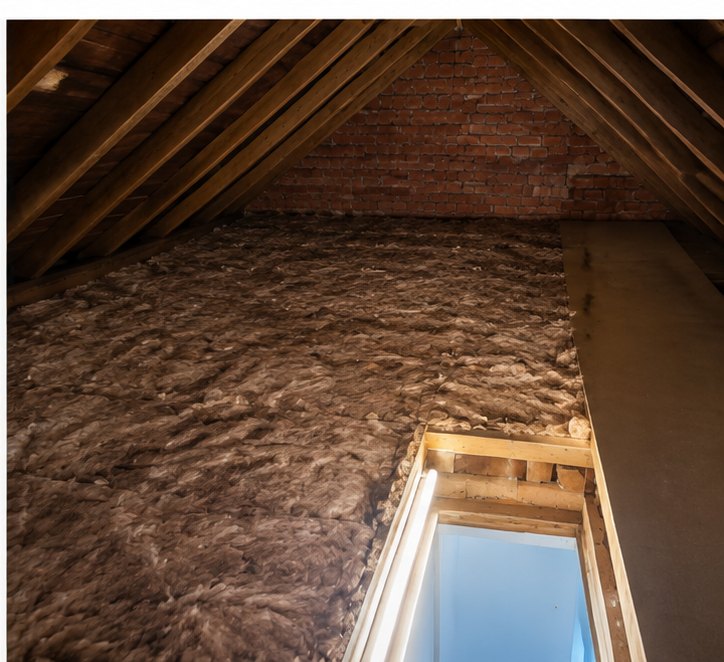
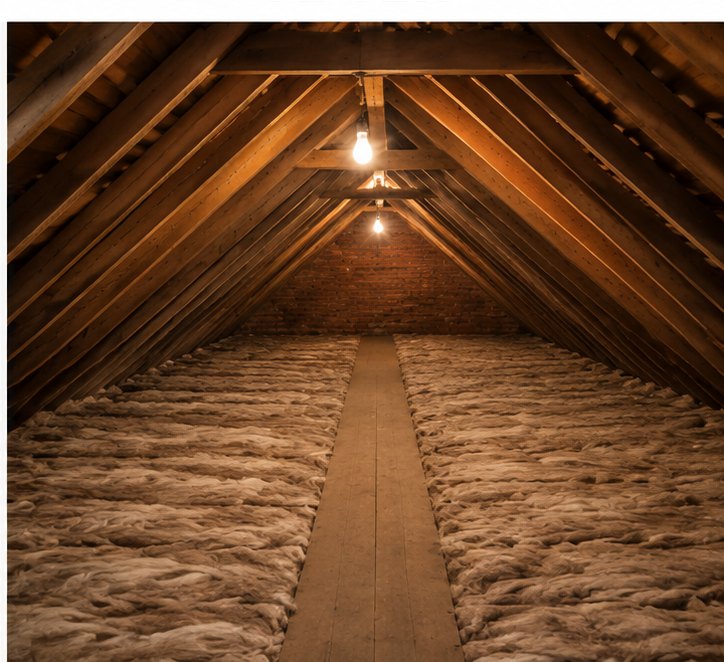
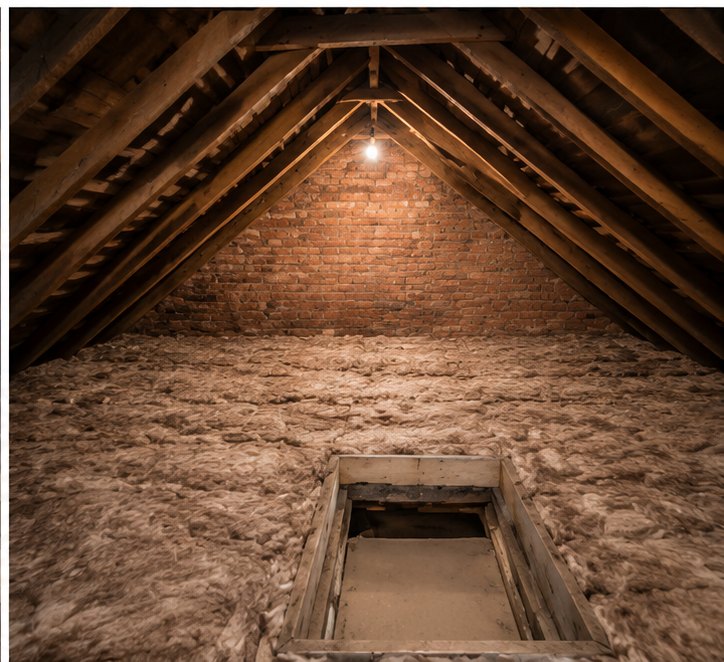
The period cottages and older houses in and around the town centre often have shallow, irregular lofts, traditional roof construction and awkward access, all of which call for a careful, breathable approach. The Victorian terraces of Charlotteville and the station area typically have compact lofts with thin, settled original insulation. The interwar and post-war semis of Merrow, Burpham and Onslow Village are more conventional, usually suiting a top-up over sound existing wool, and boards are often laid straight onto the joists for storage. Modern estate homes toward the edges tend to already meet a reasonable standard.
Local considerations
Guildford's mix of protected period property and its position among the Downs and the Wey valley both shape the work. In older and conservation-area houses we favour breathable materials, keep the eaves clear so a traditional roof can breathe, and check whether any consents apply before a build-up. In the suburban semis and modern homes the focus shifts to the condition of existing insulation and whether ventilation and boarding would add more than extra depth.
Ventilation and moisture
The Wey valley and generally damp local air mean condensation is common in poorly ventilated Guildford lofts, particularly in older roofs. Insulation alone will not fix a moisture problem, so we check the cause — airflow, a leak or an extractor venting into the loft — before advising work.
What affects cost in Guildford
In Guildford, cost is driven mainly by loft access and roof type — older period roofs being more involved than modern ones — whether old insulation needs removing, and any boarding or ventilation work. Access in the historic centre can add to a job.