Homes in Harrow
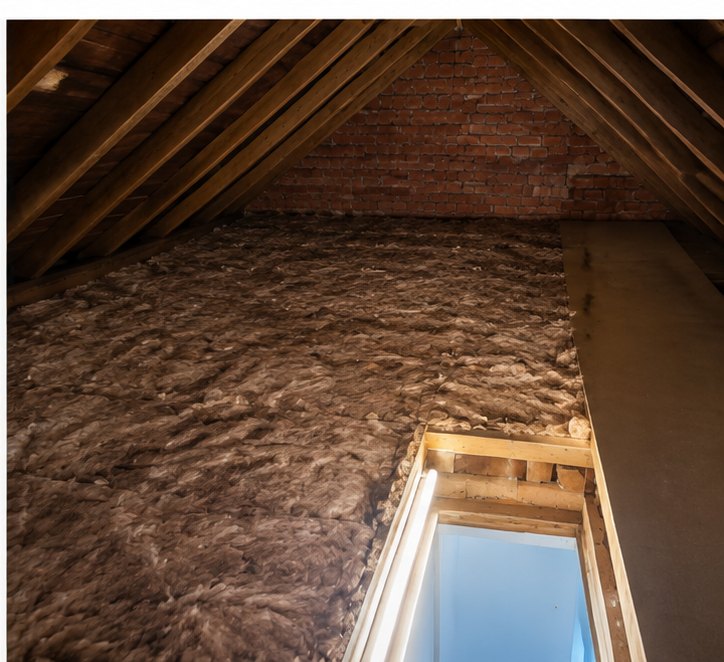
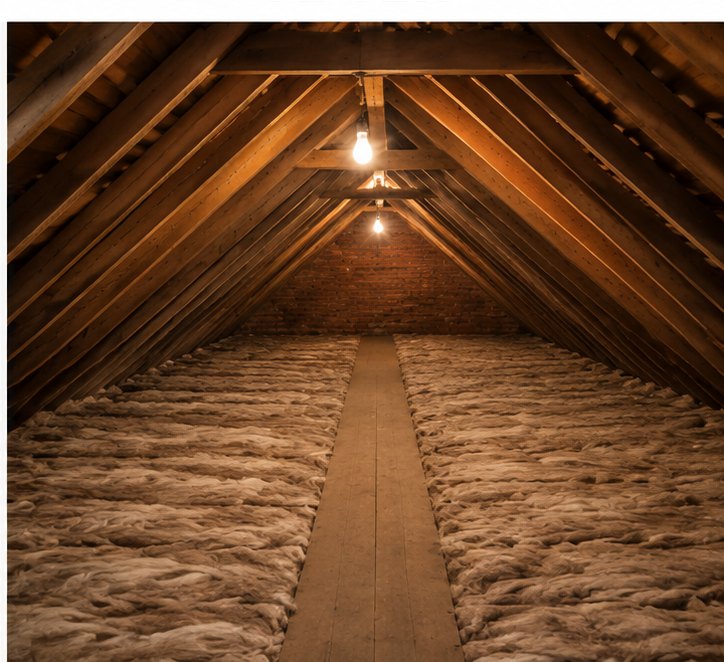
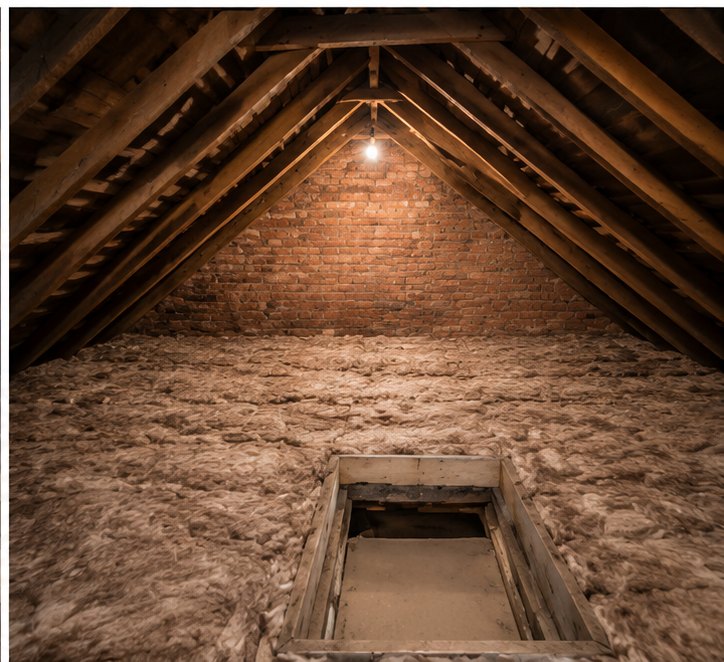
The borough's defining stock is the interwar semi, and across Rayners Lane, Kenton and Harrow Weald these typically carry thin original wool that has settled well below today's depths — ideal for a top-up over sound material. Many have boards laid straight onto the joists for storage, quietly compressing what lies beneath. The Victorian and Edwardian terraces of Wealdstone tend to have compact lofts with steep access, while larger detached houses around Pinner and Harrow-on-the-Hill have bigger roof voids that reward a careful build-up. Post-war and ex-council homes vary and are best judged individually.
Local considerations
Interwar and older Harrow roofs were not designed around modern ventilation, so filling the eaves with insulation risks condensation — we keep them clear and consider airflow alongside depth. Part-converted lofts are especially common in these semis, where families have added a storage room or study, so we establish whether the work is at loft-floor joist level or needs a rafter-level room-in-roof approach. Boarded hatches often hide compressed, underperforming material.
Ventilation and moisture
Condensation is a frequent complaint in poorly ventilated Harrow lofts, particularly where an extractor fan has been run up into the roof rather than ducted outside. We identify the cause before assuming insulation is the answer.
What affects cost in Harrow
In Harrow, the roof area of the larger interwar and detached homes, the depth and condition of existing insulation, access and parking, and any removal, boarding or ventilation work shape the quotation far more than the postcode itself.