Homes in Hillingdon
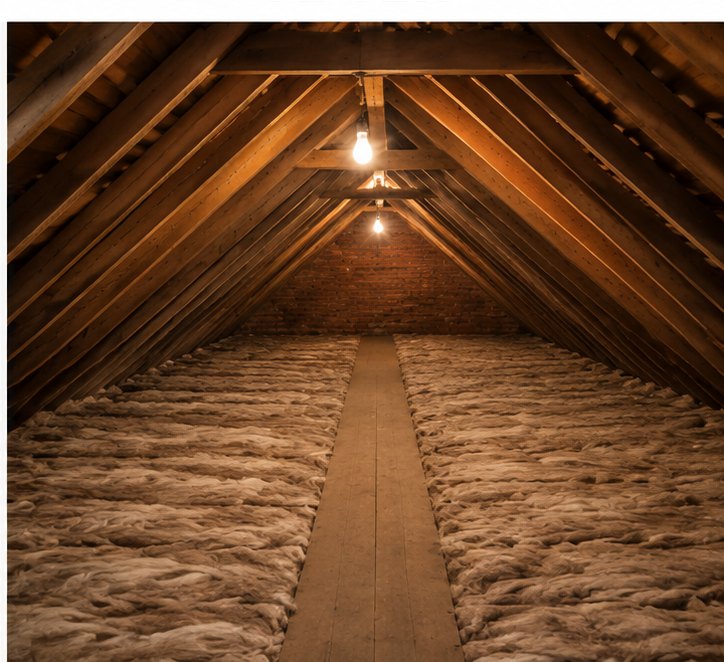
The 1930s semis of Ruislip, Ickenham and Eastcote — classic Metroland stock — usually have thin original insulation that has settled well below current depths, making them prime candidates for a top-up, and many carry boards laid straight onto the joists for storage. The Victorian and Edwardian terraces around Hayes and Yiewsley tend to have compact lofts with steep, awkward access. Larger detached houses towards Harefield and Denham have sizeable roof areas where a proper build-up pays off, while post-war and ex-council homes across the borough vary enough to be judged individually.
Local considerations
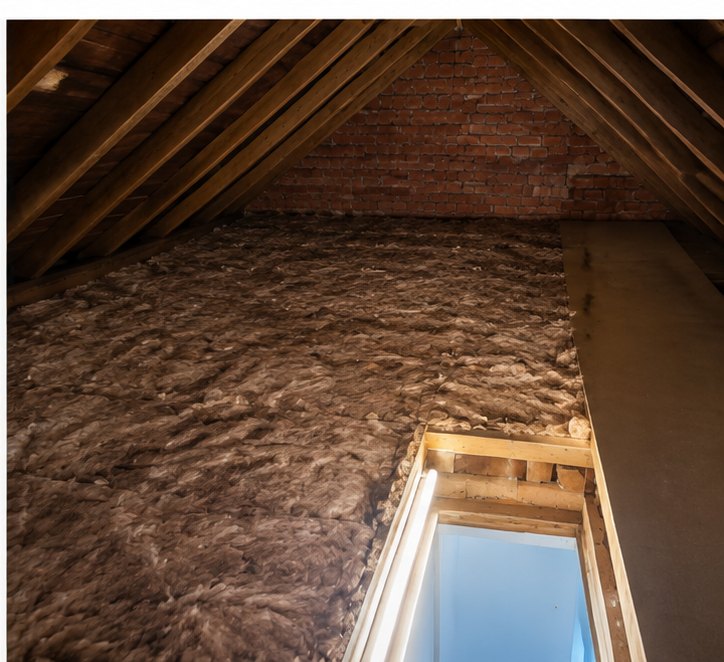
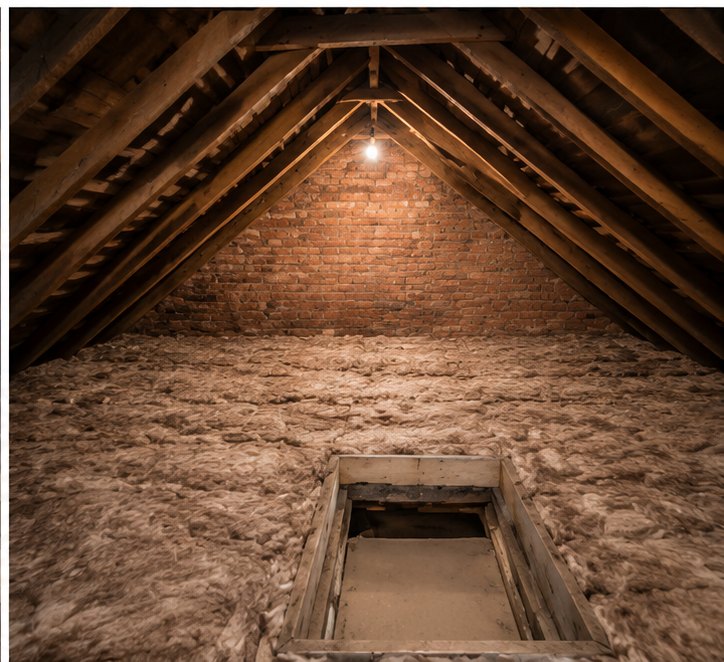
Many Hillingdon roofs were built before modern ventilation was considered, so packing insulation into the eaves can trap moisture — we keep the eaves clear and weigh airflow alongside depth. In the Metroland semis, part-converted lofts are common, so we check whether the job is a loft floor to insulate at joist level or a room-in-roof needing rafter-level work. Boarded-over hatches and storage decking often hide compressed wool that is no longer doing its job.
Ventilation and moisture
Condensation turns up in poorly ventilated Hillingdon lofts, particularly where a bathroom or kitchen extractor has been vented into the roof space rather than outside. We trace the cause first rather than assuming more insulation will solve it.
What affects cost in Hillingdon
Across Hillingdon, access and parking, the state and depth of any existing insulation, and the roof area of larger detached and semi-detached homes drive the quotation more than location. Removing old material and any boarding or ventilation work also affect cost.