Homes in High Wycombe
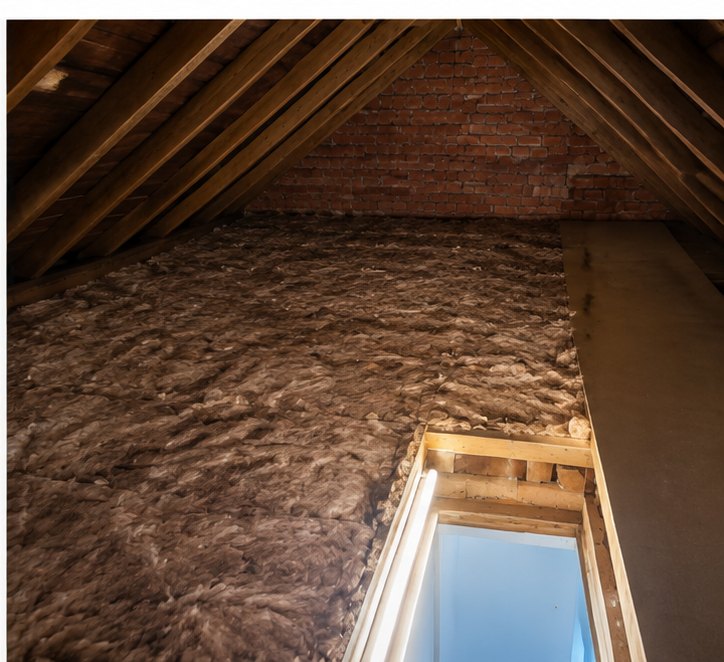
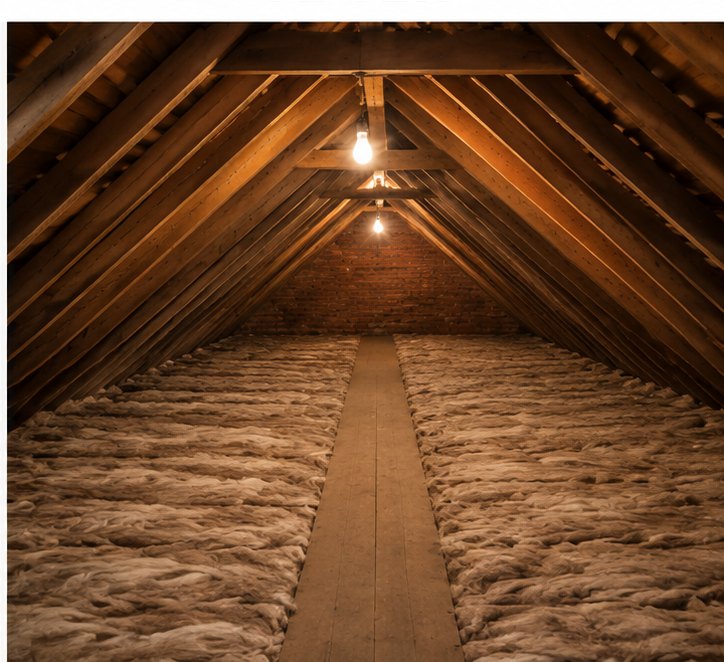
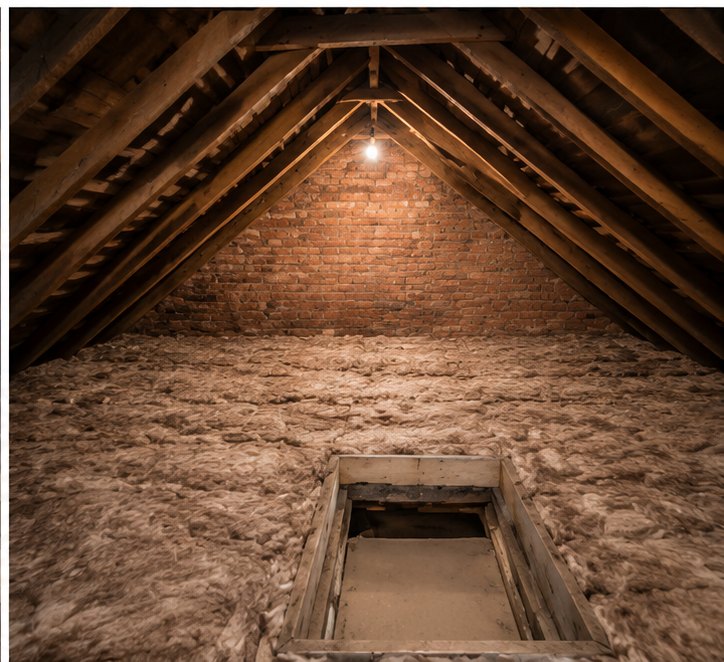
The valley terraces around the centre often have compact, steeply pitched lofts with awkward access and thin original insulation that has settled over the decades. The interwar and post-war semis climbing the slopes through Totteridge and Micklefield usually suit a straightforward top-up over sound existing wool, frequently with storage boards laid straight onto the joists. The larger post-war estates at Sands, Booker and Downley generally have accessible trussed lofts already meeting a reasonable standard, where even coverage, ventilation or raised boarding often matters more than extra depth. Hillside and hilltop homes can be more exposed than their sheltered valley neighbours.
Local considerations
High Wycombe's valley-and-hillside setting means exposure varies a great deal from one street to the next, so we judge ventilation on the individual roof rather than a rule of thumb. In older valley terraces we keep the eaves clear rather than packing them, because a period roof needs to breathe. On the hillside estates we look at whether existing insulation is even and undisturbed, whether storage boards are compressing it, and whether a well-sealed roof has the ventilation to match.
Ventilation and moisture
The valley setting and a mix of housing ages mean condensation and damp complaints turn up in poorly ventilated High Wycombe lofts. Insulation alone will not fix every moisture problem, so we check the cause — airflow, a roof leak or an extractor venting into the loft — before recommending work.
What affects cost in High Wycombe
In High Wycombe, cost is driven mainly by loft access on older valley terraces, the exposure of a hillside roof, whether old insulation needs removing, and any boarding or ventilation work. Steep access and parking can also add to a job.