Homes in Poole
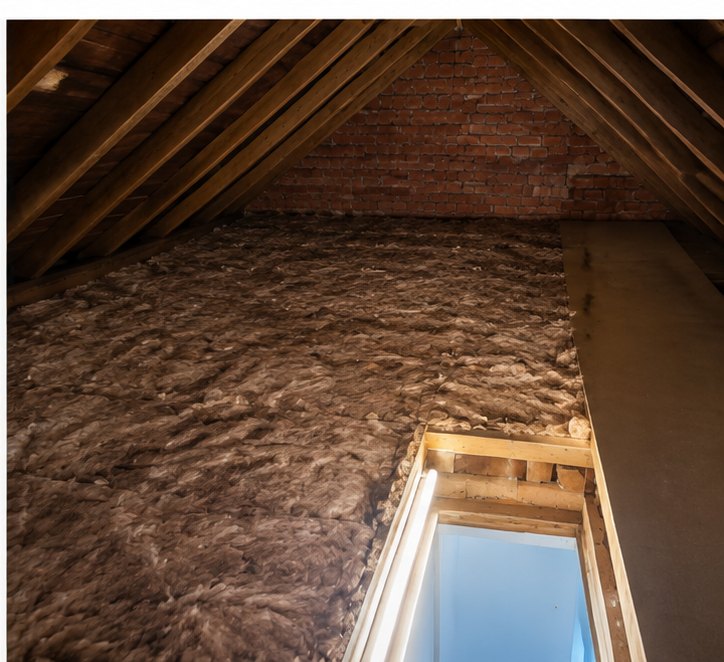
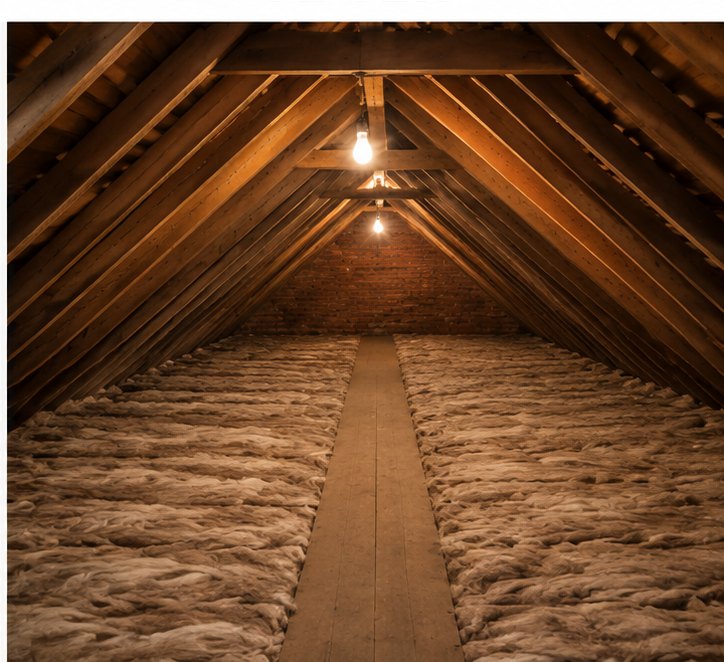
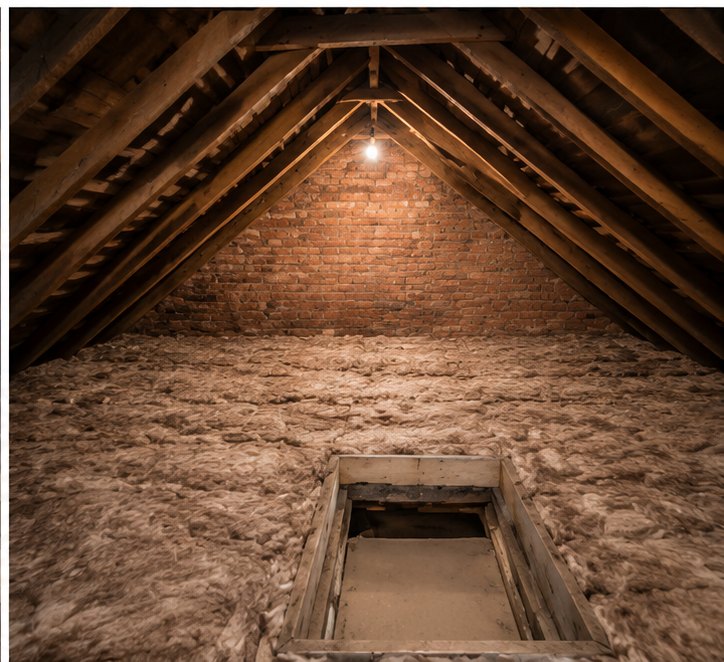
Poole has a large stock of interwar and post-war bungalows, whose single-storey roofs are often straightforward to work in but frequently carry thin, settled original insulation ripe for a top-up. The older terraces around the old town and Poole Quay tend to have compact lofts with awkward access and ageing wool. Seafront and harbourside properties toward Sandbanks take the full force of salt-laden coastal air and exposure, so airflow and moisture matter as much as depth. Many bungalows have storage boards laid straight onto the joists, and apartments raise their own questions about who is responsible for the roof space.
Local considerations
Poole's exposed coastal position brings salt-laden air, driving rain and strong winds, so ventilation and moisture deserve close attention. Packing insulation hard into the eaves of an exposed roof can block airflow and trap moisture, so we keep the eaves clear and treat ventilation and insulation together. On the most weather-beaten seafront roofs we also check how the covering and felt are coping before recommending a build-up.
Ventilation and moisture
Salt-laden coastal air and driving rain make condensation and damp complaints common in poorly ventilated Poole lofts. Insulation alone will not cure a moisture problem, so we look for the real cause — airflow, wind-driven rain, a leak or an extractor venting into the loft — before recommending work.
What affects cost in Poole
In Poole, cost is driven mainly by loft access, the exposure of the roof, whether old insulation needs removing, and any boarding or ventilation work. Access at busy seafront and harbourside locations can also be a factor.