Homes in Yeovil
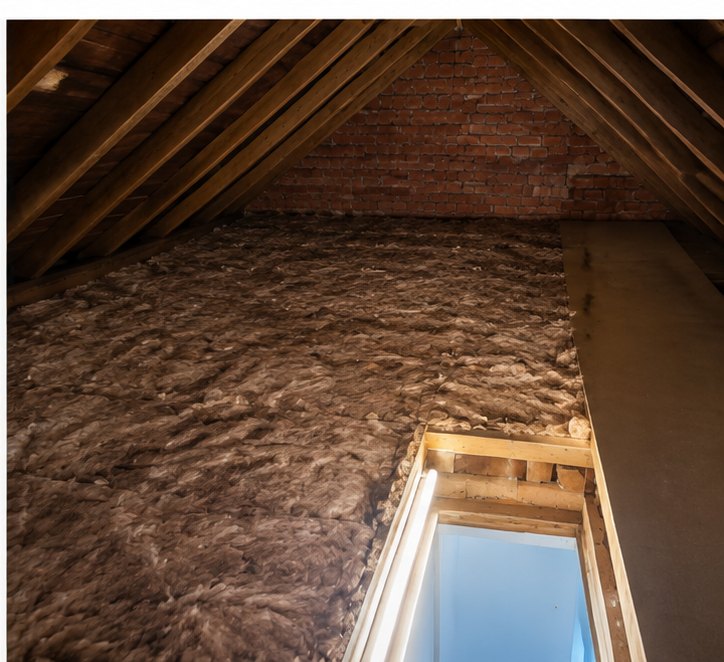
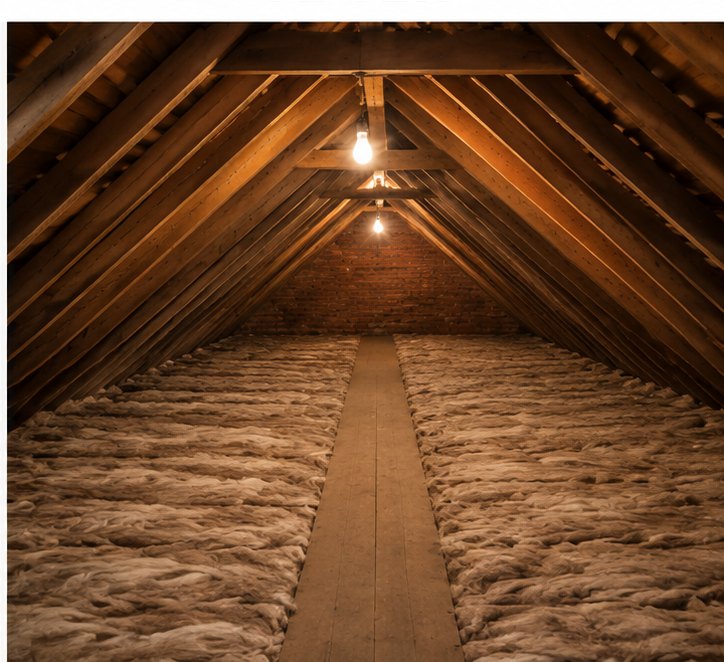
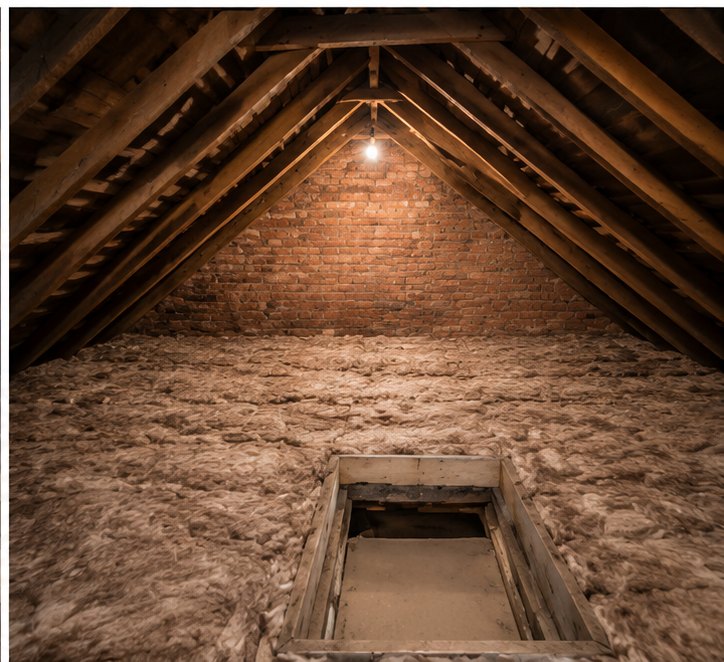
Yeovil's older terraces near the town centre often have compact lofts with awkward access and insulation that has settled over the years. The local Ham stone cottages in the surrounding villages need a breathable approach, as their walls and roofs were built to let moisture move. The interwar and post-war semis of the suburbs usually carry thin original wool suited to a top-up, frequently with storage boards laid straight onto the joists. Newer homes on the estates toward the edges tend to have some insulation already, so the question becomes whether adding more, boarding, or improving ventilation is worthwhile.
Local considerations
The damp, low-lying South Somerset landscape makes ventilation and moisture worth close attention. Packing insulation hard into the eaves of an older Yeovil roof can block airflow and encourage condensation, so we keep the eaves clear and treat ventilation and insulation together. On traditional stone and older buildings we take particular care to keep the structure breathable, using materials that suit older construction rather than sealing moisture in.
Ventilation and moisture
The damp South Somerset countryside makes condensation and damp complaints common in poorly ventilated Yeovil lofts. Insulation alone will not cure a moisture problem, so we identify the actual cause — airflow, a roof leak or an extractor venting into the loft — before recommending work.
What affects cost in Yeovil
In Yeovil, cost is driven mainly by loft access, whether old insulation needs removing, the type of construction — a breathable approach on a stone cottage differs from a standard semi — and any boarding or ventilation work.