Homes in Stroud
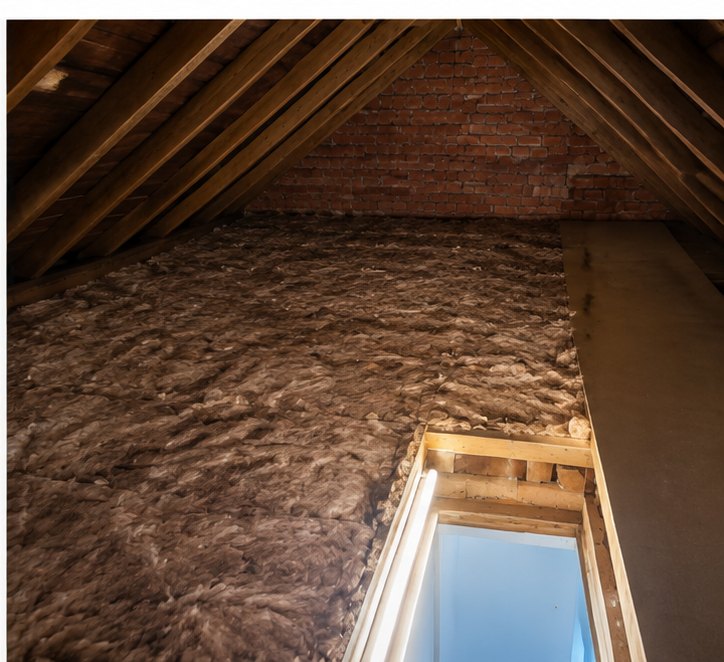
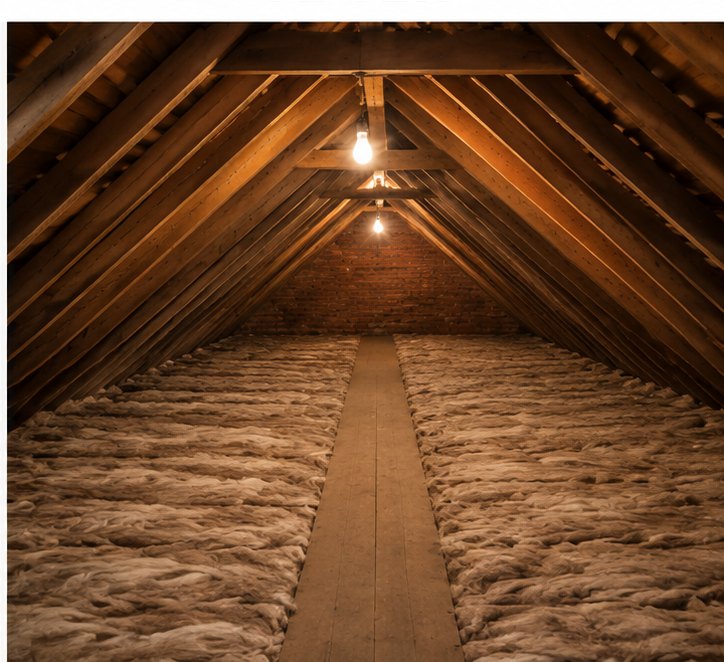
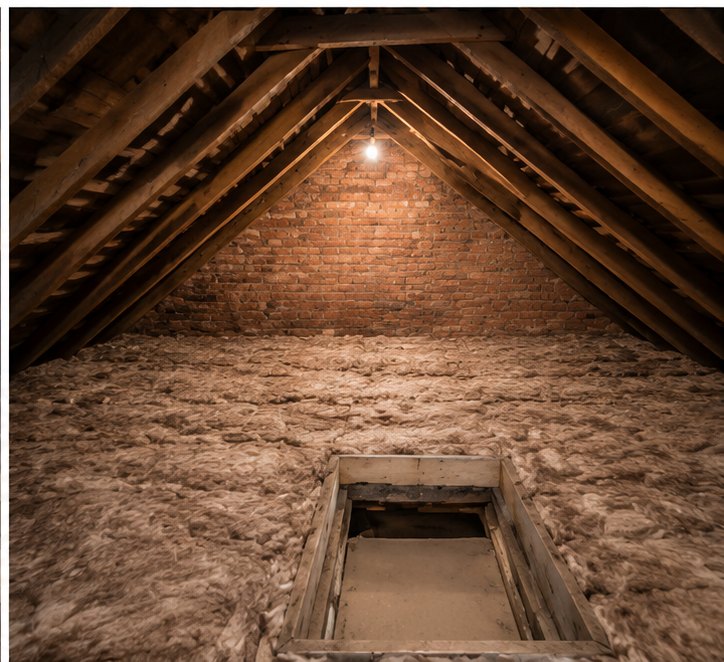
Stroud's Cotswold stone cottages and mill-workers' terraces often cling to steep valley sides, with compact, awkwardly accessed roofs and insulation laid many years ago. These solid-stone buildings were designed to let moisture move, so a breathable approach matters. The interwar and post-war semis on the flatter ground usually carry thin original wool suited to a top-up, frequently with storage boards laid straight onto the joists. Newer homes toward Stonehouse and the estates tend to have some insulation already, so the question becomes whether adding more, boarding, or improving ventilation is worthwhile. Hillside access can shape the work as much as the roof itself.
Local considerations
The damp valleys around Stroud, together with breathable stone construction, make moisture management especially important. Packing insulation hard into the eaves of an older stone roof can block airflow and trap moisture, so we keep the eaves clear and treat ventilation and insulation together. On traditional and listed buildings we take particular care to keep the structure breathable, using natural materials such as sheep wool that suit older construction.
Ventilation and moisture
The damp valley setting and breathable stone construction around Stroud make moisture management important. Insulation alone will not cure a damp problem, and sealing an older roof can trap moisture, so we identify the real cause — airflow, a leak or an extractor venting into the loft — before recommending work.
What affects cost in Stroud
In Stroud, cost is driven mainly by hillside access, the choice of a breathable material suited to older stone construction, whether old insulation needs removing, and any boarding or ventilation work. Steep valley roads can also affect access.