Homes in Warwick
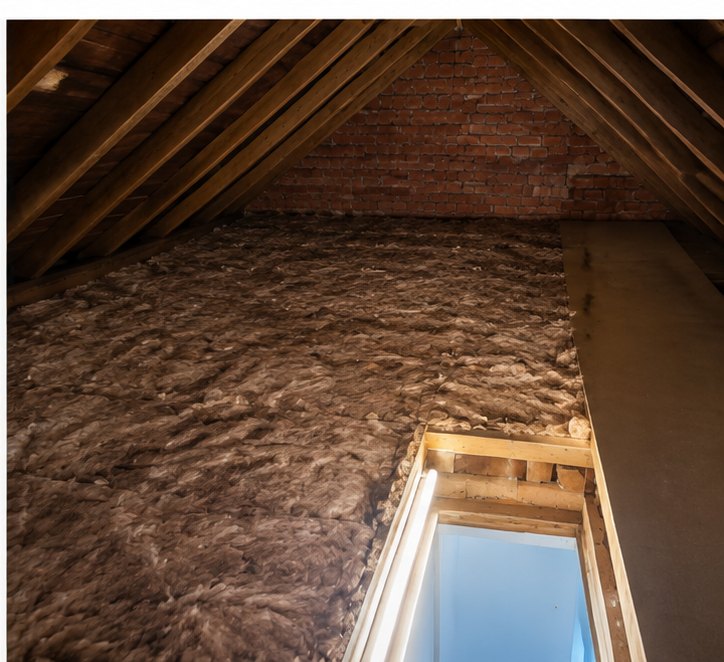
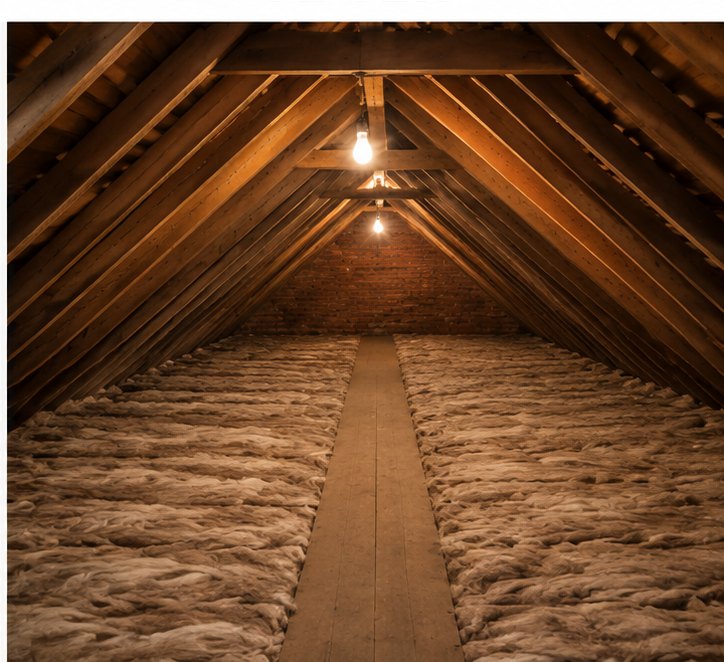
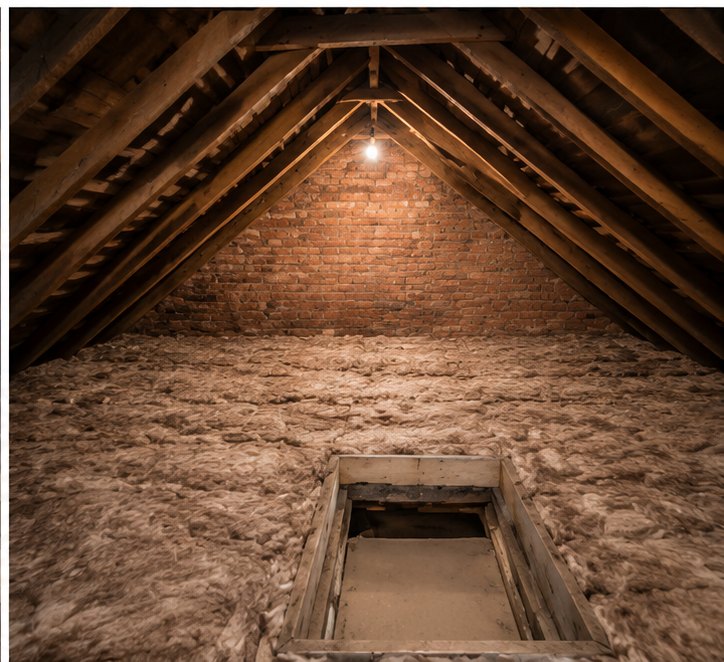
Warwick's period townhouses and listed buildings can have complex, irregular roof structures where breathability and sympathetic materials matter as much as depth, and where any work must respect the building's fabric. The town's Victorian terraces have compact, steeply pitched lofts with awkward access, while its interwar and post-war semis usually carry thin original wool that suits a top-up, often with storage boards laid on the joists. Modern estates towards Chase Meadow generally hold some insulation already.
Local considerations
In Warwick's conservation areas and listed buildings, older roofs were built to breathe, and sealing them up with the wrong materials can trap moisture and harm the fabric. We favour breathable approaches, keep the eaves clear for airflow and treat ventilation and insulation together. Owners of listed properties should check whether consent is needed before work, and we assess how a period roof breathes before recommending any build-up.
Ventilation and moisture
Period and traditionally built Warwick roofs rely on airflow to stay dry, so poor ventilation quickly leads to condensation and damp. Insulation alone will not cure it, and in a breathable structure the wrong materials can make things worse — so we identify the cause and choose materials that let the roof breathe.
What affects cost in Warwick
In Warwick, cost is driven mainly by the age and sensitivity of the roof, loft access, whether old insulation needs removing, and any boarding or ventilation work. Period and listed buildings can call for more careful, breathable methods that affect the approach.