Homes in Wigan
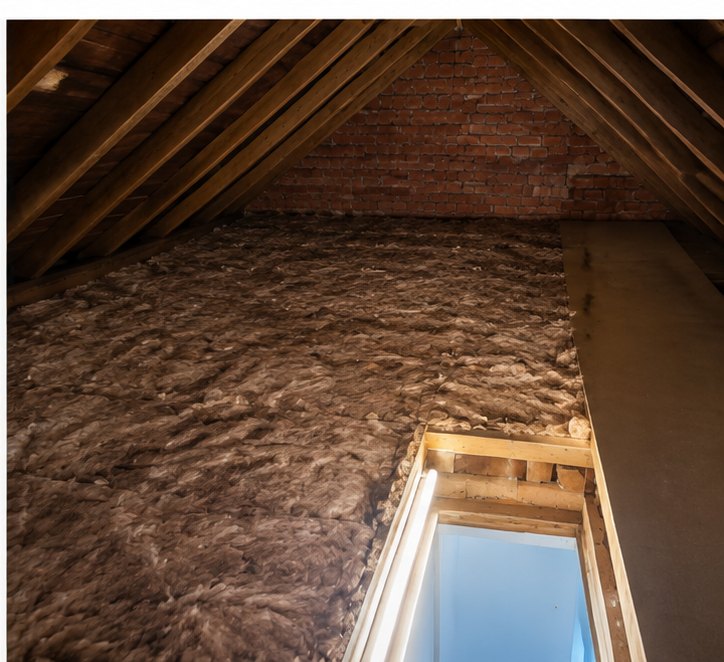
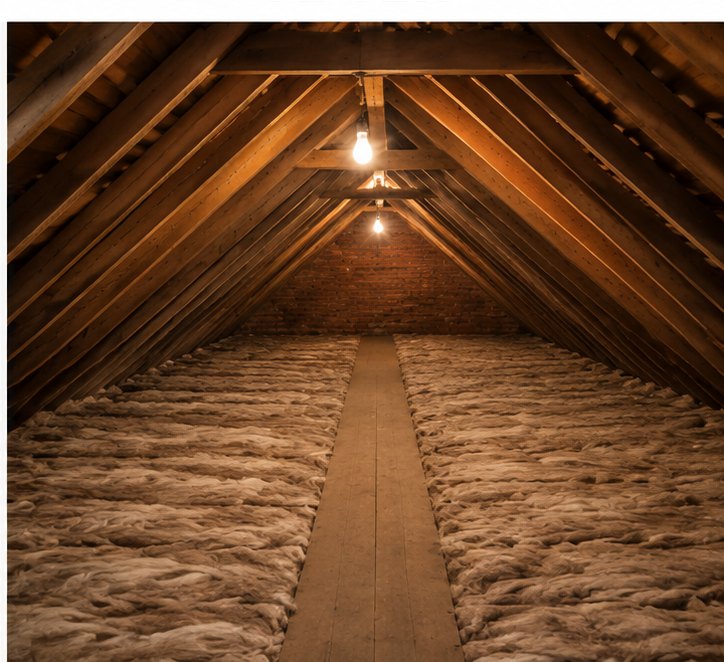
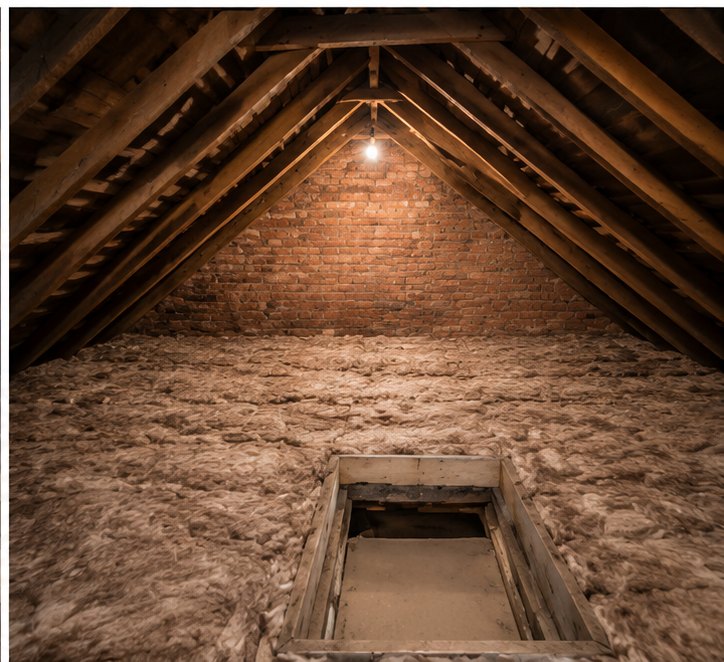
The older terraces around central Wigan and Ince often have compact lofts with limited headroom, awkward hatch access above a stairwell and insulation laid decades ago that has since compressed. The town's interwar and post-war semis in Standish, Orrell and Beech Hill usually carry thin original wool that suits a top-up, frequently with storage boards dropped straight onto the joists. Later estate houses toward Marus Bridge tend to have some insulation already, so the useful question is whether extra depth, better boarding or improved ventilation would actually help.
Local considerations
The Greater Manchester climate is damp for much of the year, so ventilation and moisture deserve close attention in Wigan lofts. Forcing insulation hard into the eaves of an older terrace can block what little airflow the roof has and encourage condensation, so we keep the eaves clear and treat ventilation and insulation together. Where original bituminous felt sits beneath the tiles, we check how the roof breathes before recommending a deeper build-up.
Ventilation and moisture
Damp north-west weather means condensation and staining are common complaints in poorly ventilated Wigan lofts. Insulation on its own will not cure a moisture problem, so we look for the real cause — poor airflow, a roof leak or a bathroom extractor venting into the loft — before recommending any work.
What affects cost in Wigan
In Wigan, cost is driven mainly by loft access on terraced streets, whether tired old insulation needs removing, and any boarding or ventilation work. Parking and access on the narrower inner-town roads can also play a part.