Homes in Abingdon
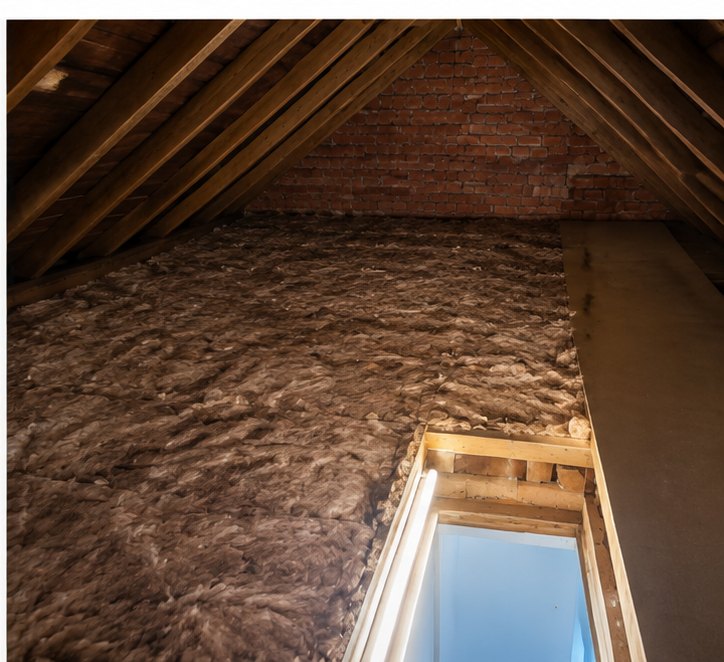
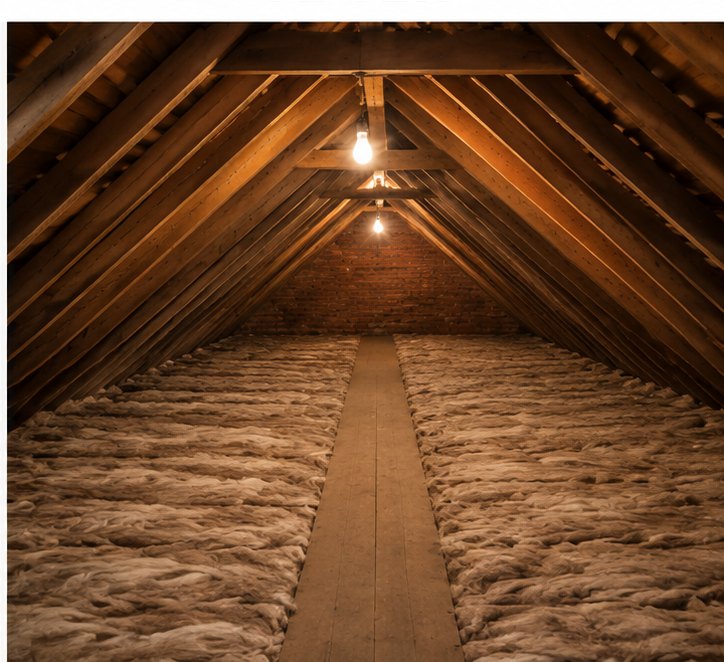
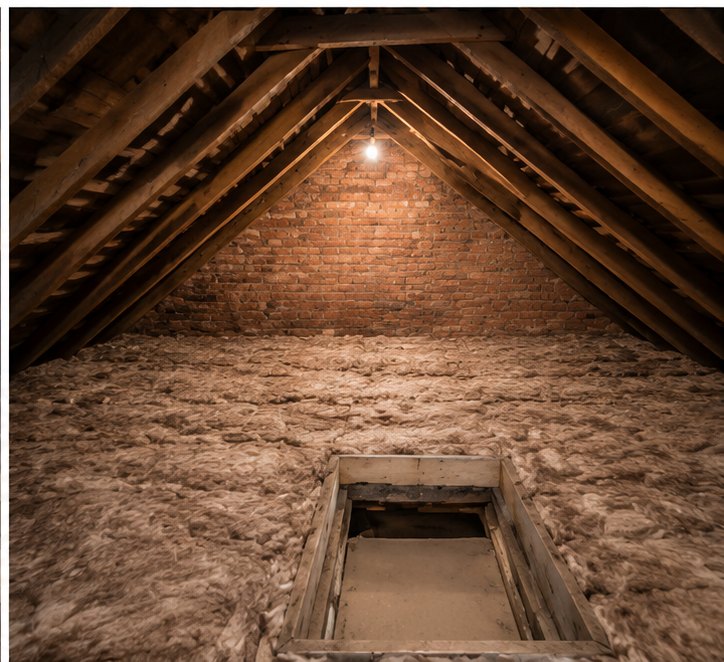
The terraces and cottages near the centre and river often have compact, sometimes steeply pitched lofts with awkward access and thin or long-settled insulation. Interwar and post-war semis across the town typically carry older wool that suits a top-up, frequently with storage boards laid straight onto the joists over inadequate depth. Newer estates toward the edges usually meet recent standards, so raised boarding or improved ventilation is often the more useful step. Riverside and period properties reward a careful approach, keeping the eaves clear so the roof can breathe.
Local considerations
Across Abingdon's mix of ages, the right first step varies. Older roofs need airflow kept clear at the eaves so they can breathe, and on period stock we favour breathable materials rather than sealing the roof tight. On newer estates the priority is often lifting boarding above a proper depth of insulation. On any property we check that extractor fans vent outside rather than into the loft, as that is a common and avoidable cause of condensation.
Ventilation and moisture
Condensation in Abingdon lofts is often caused by poor ventilation or an extractor discharging into the roof space rather than a leak. Insulation alone will not cure a moisture problem, so we identify the actual cause before recommending work.
What affects cost in Abingdon
In Abingdon, cost is driven mainly by the age and access of the roof, whether existing boarding or old insulation needs lifting or removing, the depth of top-up required, and any boarding or ventilation work.