Homes in Didcot
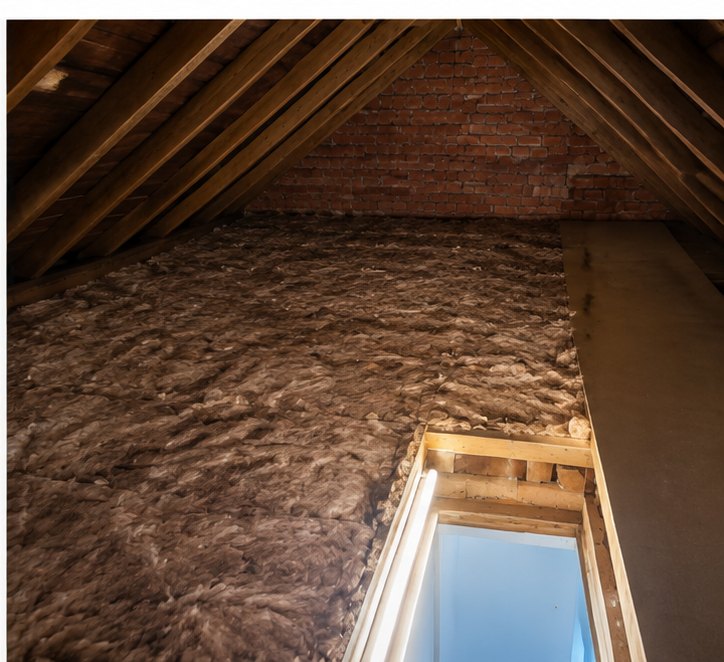
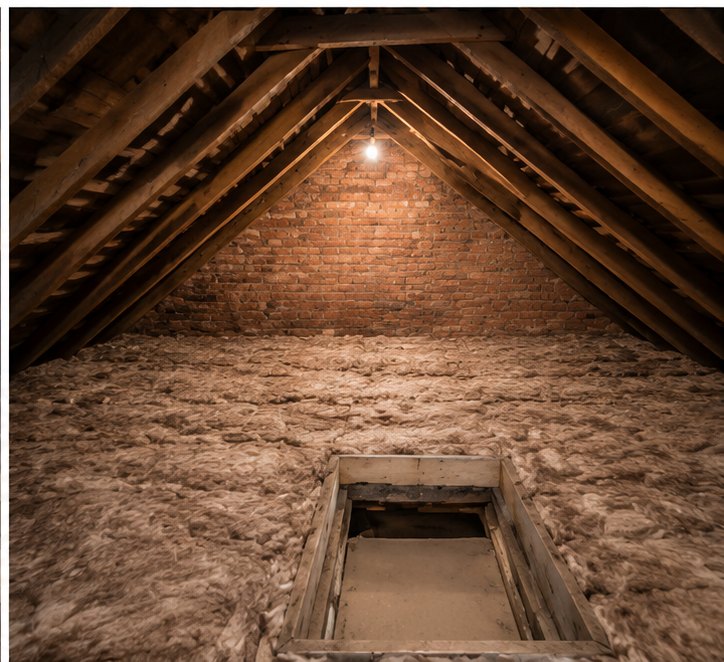
Most Didcot homes are modern, and many at Great Western Park and Ladygrove were built to recent standards, so they often already carry a reasonable depth of insulation. The more useful question on these properties is frequently whether raised boarding above the insulation, or improved ventilation, would add more than extra material. Late-20th-century semis and post-war housing across the older parts of town may benefit from a top-up where insulation has settled, and the few surviving Victorian railway terraces near the station reward a more careful, breathable approach with their compact period roofs.
Local considerations
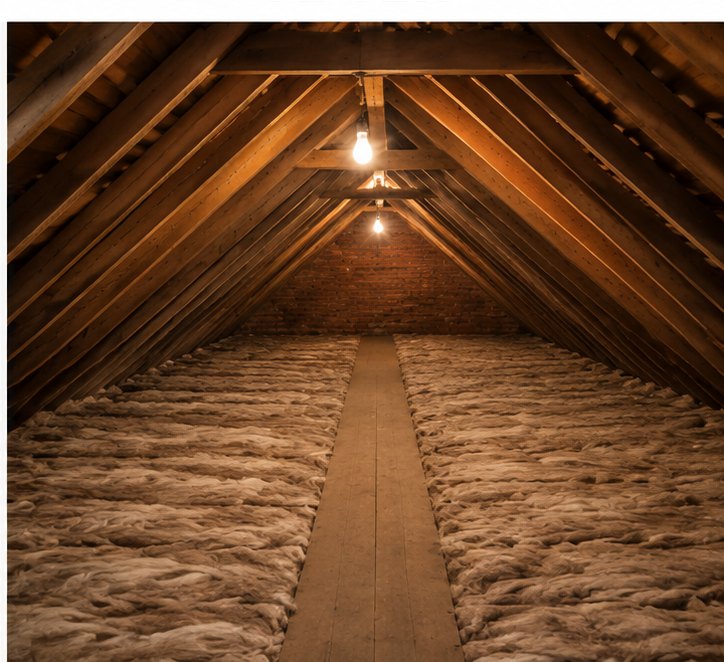
On Didcot's many newer homes, a common mistake is crushing insulation flat with storage boards fixed straight onto the joists, which undermines its performance; raised boarding lifts the deck above a proper depth instead. New-builds can also suffer trapped construction moisture and under-ventilated roofs in their early years. On any property we check that bathroom and kitchen extractors vent outside rather than into the loft, since that is a common and avoidable cause of condensation.
Ventilation and moisture
In modern Didcot lofts, condensation is often caused by under-ventilation or an extractor discharging into the roof space rather than a leak. Insulation alone will not resolve a moisture problem, so we identify the actual cause before recommending work.
What affects cost in Didcot
In Didcot, cost is driven mainly by the layout of the roof, whether existing boarding needs lifting, the depth of any top-up required, and any boarding or ventilation work — with removal a factor only on the older housing.