Homes in Burnley
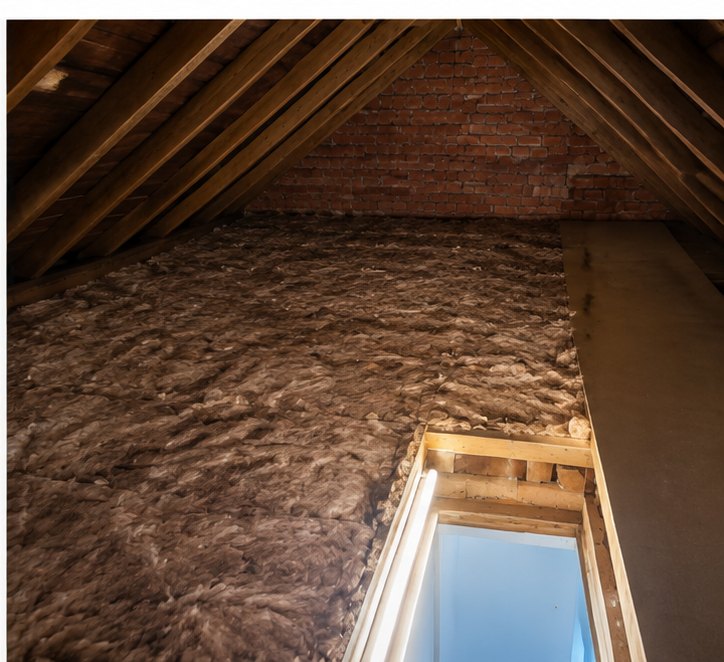
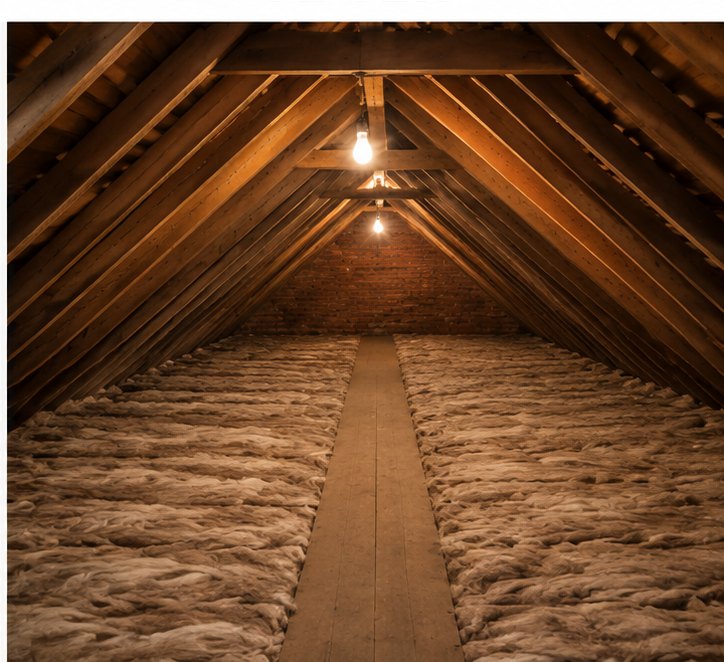
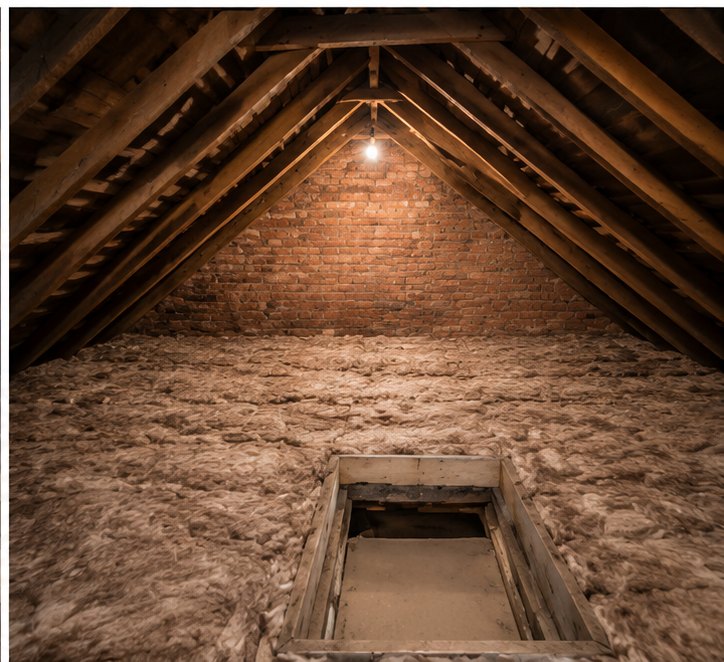
The older terraces around central Burnley often have compact lofts with limited headroom, tight hatch access above the stairs and insulation laid many years ago that has since flattened. Stone-built weavers' housing can have heavier, less regular roof structures that need looking at on their own terms. The town's interwar and post-war semis in Ightenhill, Rosehill and Pike Hill usually carry thin original wool that suits a top-up, frequently with storage boards laid straight onto the joists, while newer estate homes toward the edge tend to have some insulation already in place.
Local considerations
Sitting close to the Pennines, Burnley sees plenty of rain and cold, damp spells, so ventilation and moisture deserve real attention. Forcing insulation hard into the eaves of an exposed terrace can block airflow and encourage condensation, so we keep the eaves clear and treat ventilation and insulation together. Where original bituminous felt sits beneath the tiles or slates, we check how the roof breathes before recommending a deeper build-up.
Ventilation and moisture
Cold, wet Pennine-edge weather makes condensation and staining common in poorly ventilated Burnley lofts. Insulation on its own will not cure a moisture problem, so we look for the real cause — airflow, a roof leak or a bathroom extractor venting into the loft — before recommending any work.
What affects cost in Burnley
In Burnley, cost is driven mainly by loft access on the terraced streets, the type of roof structure, whether old insulation needs removing, and any boarding or ventilation work. Parking and access on the narrow inner-town roads can also be a factor.