Homes in Chichester
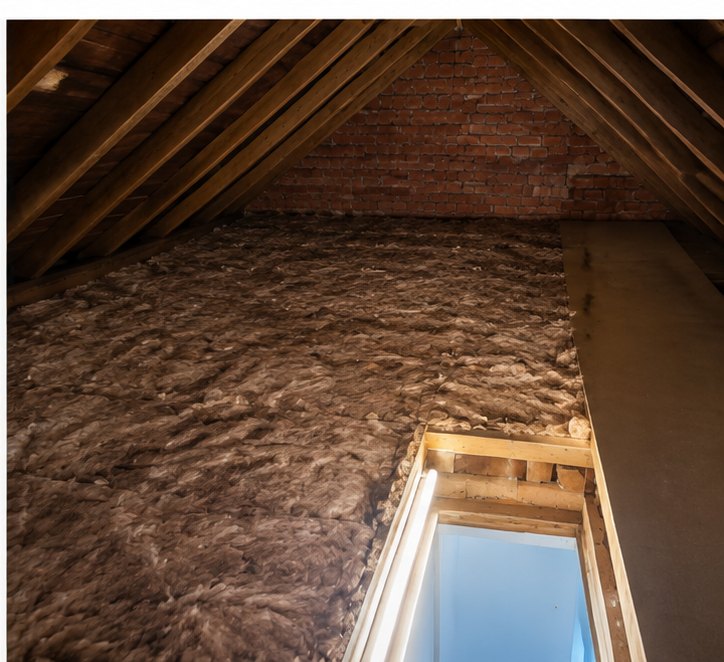
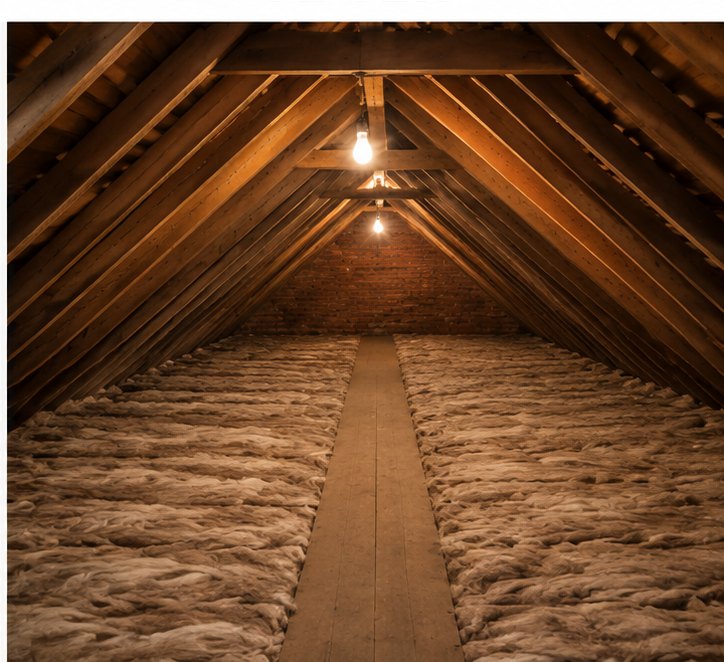
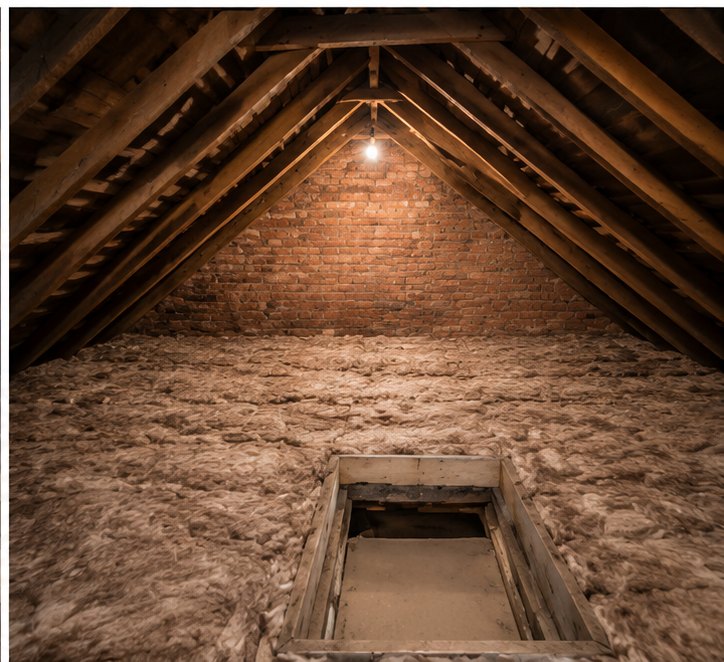
The Georgian townhouses and period properties of the city centre often have steep, complex roofs, sometimes listed, where access is tight and the choice of materials and methods matters. The Victorian and Edwardian terraces nearer the walls tend to have compact lofts with thin or settled insulation. Interwar and post-war semis around Parklands and Whyke usually carry older wool that suits a top-up, often with boards laid straight onto the joists. Coastal and harbour-fringe cottages are more exposed to weather, so airflow and moisture matter as much as depth of insulation.
Local considerations
With extensive conservation-area and period stock, plus a coastal setting, Chichester loft work has to balance breathability and exposure. Older roofs need airflow kept clear at the eaves so they can breathe, and we favour breathable materials on traditional and listed buildings rather than sealing them tight. On exposed harbour and coastal properties we also check how the covering and felt are coping with wind-driven rain before recommending a build-up.
Ventilation and moisture
Near the harbour and coast, damp air and driving rain make condensation common in poorly ventilated Chichester lofts. Insulation alone will not cure a moisture problem, so we identify the actual cause — airflow, wind-driven rain, a slipped tile or an extractor venting into the loft — before recommending work.
What affects cost in Chichester
In Chichester, cost is shaped mainly by access to period city-centre roofs, the care needed on listed and conservation-area properties, the exposure of coastal roofs, whether old insulation must be removed, and any boarding or ventilation work.