Homes in Cowley
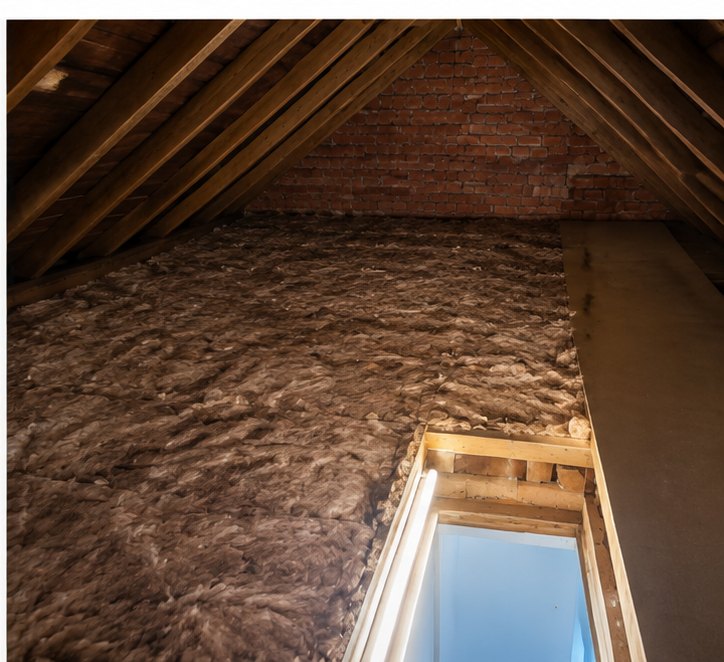
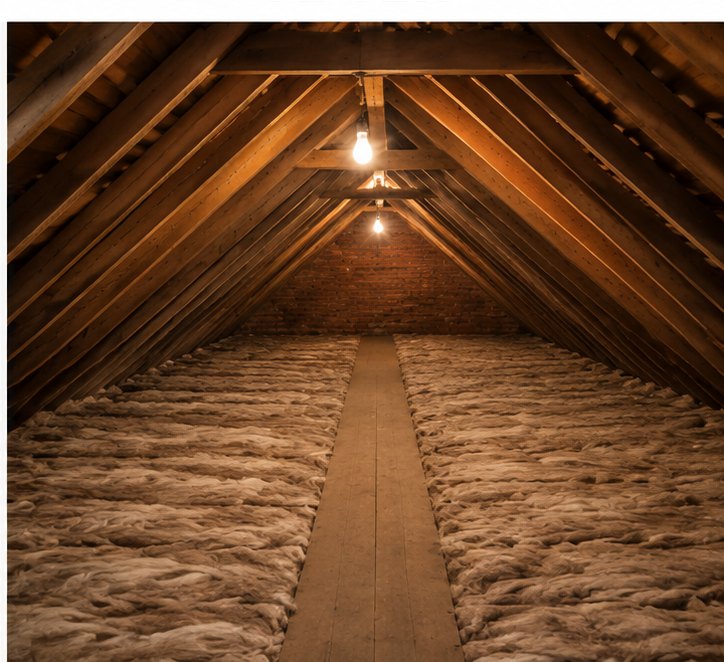
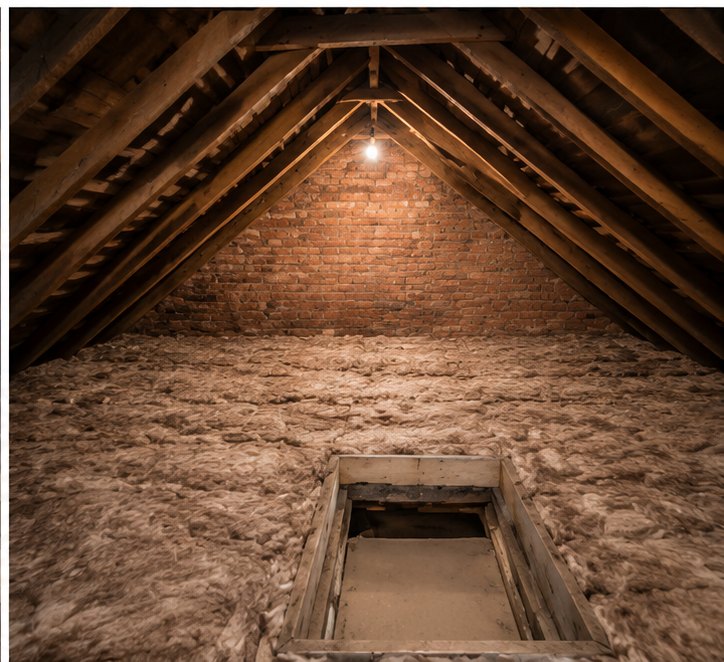
The 1920s and 1930s ex-works terraces and semis of Temple Cowley and Rose Hill typically have modest lofts of fairly regular shape, often carrying thin original insulation that has settled over the decades and suits a top-up — frequently with storage boards laid straight onto the joists over inadequate depth. The post-war estates at Blackbird Leys and Littlemore were built to the standards of their day and vary in how well they were insulated. Later infill housing usually has some insulation in place, so raised boarding or improved ventilation is often the more useful step there.
Local considerations
Across Cowley's interwar and post-war stock, a recurring issue is boarding fixed straight to the joists over too little insulation, so raising the deck above a proper depth is frequently the real improvement. The 1930s semis often have shallow joists that leave little room, which shapes the material and method. On any property we check that bathroom and kitchen extractors vent outside rather than into the loft, since that is a common and avoidable cause of condensation.
Ventilation and moisture
Condensation in Cowley lofts is often caused by poor ventilation or an extractor discharging into the roof space rather than a leak. Insulation alone will not cure a moisture problem, so we identify the actual cause before recommending work.
What affects cost in Cowley
In Cowley, cost is driven mainly by the layout of the roof, whether existing boarding or old insulation needs lifting or removing, the depth of top-up required, and any boarding or ventilation work.